check

check

check

check

check

check
In the world of industrial automation and electronic control, achieving precise, reliable, and maintenance-free object detection is a cornerstone of efficiency. Among the various technologies available, the PNP proximity sensor stands out as a fundamental and widely adopted solution. This guide delves into the core principles, advantages, and practical applications of PNP proximity sensors, providing a clear understanding of why they are a preferred choice for countless engineers and system integrators.
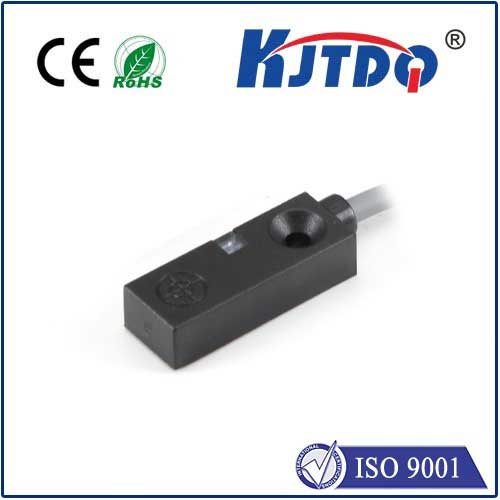
At its heart, a proximity sensor is a device that detects the presence or absence of an object without any physical contact. PNP refers to the type of transistor output used within the sensor's electronic circuitry. In a PNP configuration, the output signal wire switches to a positive voltage (typically +24V DC) when a target object is within the sensor's detection range. In simpler terms, when the sensor detects an object, it "sources" current from the positive supply to the load (like a PLC input or a relay). This is often described as "positive switching." The complementary type is the NPN sensor, which "sinks" current to ground. The choice between PNP and NPN often depends on the prevailing electrical conventions of the control system and the region; PNP sourcing outputs are commonly used in Europe and with many PLCs.
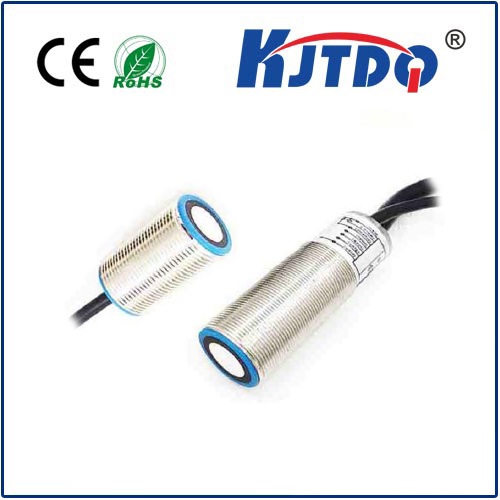
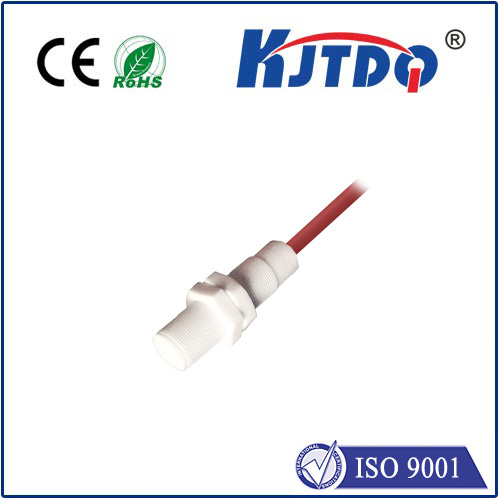
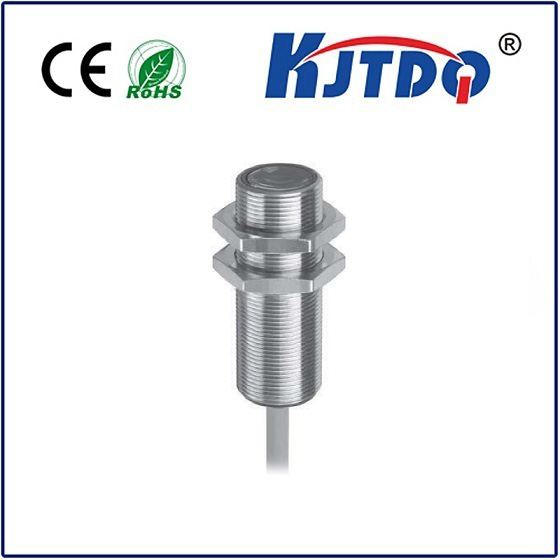
The operational principle of an inductive PNP proximity sensor, the most common type for metal detection, is based on electromagnetic induction. The sensor contains an oscillator circuit that generates a high-frequency electromagnetic field at its active face. When a metallic target enters this field, eddy currents are induced on the surface of the metal. This causes a change in the oscillation amplitude, which is detected by a threshold circuit. This circuit then triggers the solid-state PNP transistor to switch the output state. For detecting non-metallic objects, capacitive PNP sensors are used, which sense changes in capacitance caused by the target material.
The widespread adoption of PNP proximity sensors is driven by a compelling set of advantages. Their non-contact nature eliminates mechanical wear and tear, leading to exceptionally long service life and reduced downtime. They offer high switching speeds, capable of detecting objects thousands of times per minute, which is essential for high-speed production lines. Being solid-state devices with no moving parts, they are highly resistant to vibration, shock, and environmental contaminants like dust, oil, and coolants when properly housed. Their output is a clean, bounce-free electrical signal ideal for direct connection to programmable logic controllers (PLCs), microcontrollers, and other modern control systems. The simplicity of their two-wire or three-wire DC designs, with the PNP version providing a straightforward "power-to-load" connection, makes wiring and installation remarkably simple.
In practical application, PNP proximity sensors are ubiquitous. On automated assembly lines, they count products, verify part presence, and control robotic positioning. In machine tools, they serve as end-of-travel limit switches for slides and spindles. They monitor the position of cylinders in pneumatic systems, control the fill level in packaging machinery, and ensure safety in access gates and doors. Their robustness makes them ideal for harsh environments in automotive manufacturing, food and beverage processing (with appropriate housing materials), and material handling.
Selecting the right PNP sensor requires consideration of several factors. First, identify the target material: inductive sensors for metals, capacitive for non-metals like plastic, wood, or liquids. The sensing distance, or nominal range, must be chosen with a safety margin, as it can vary with target material and size. The housing style—barrel-shaped (threaded), rectangular, or ring-shaped—must suit the mechanical mounting constraints. Environmental factors such as temperature extremes, potential for washdowns, or exposure to chemicals dictate the required ingress protection (IP) rating. Finally, ensure the electrical specifications, like operating voltage and output current, match your control system's requirements.
For optimal performance, correct installation is key. Always follow the manufacturer's guidelines for mounting distances. Metallic objects surrounding the sensor's sides can reduce its effective sensing range. Ensure a stable, clean DC power supply with proper filtering to prevent electrical noise interference. When connecting to a PLC, verify that the input module is compatible with a sourcing (PNP) signal. Regular maintenance is minimal but should include periodic cleaning of the sensor face to remove debris that could affect performance.
From simple presence detection to enabling complex sequential operations, the PNP proximity sensor remains an indispensable component in industrial electronics. Its reliability, speed, and durability provide the foundational sensing layer upon which automated systems are built. Understanding its operation, benefits, and correct implementation allows designers and maintenance personnel to build more robust, efficient, and fault-resistant systems. As automation continues to evolve, the fundamental role of this versatile sensor is assured, continuing to provide the critical data points that keep modern industry in motion.