check

check

check

check

check

check
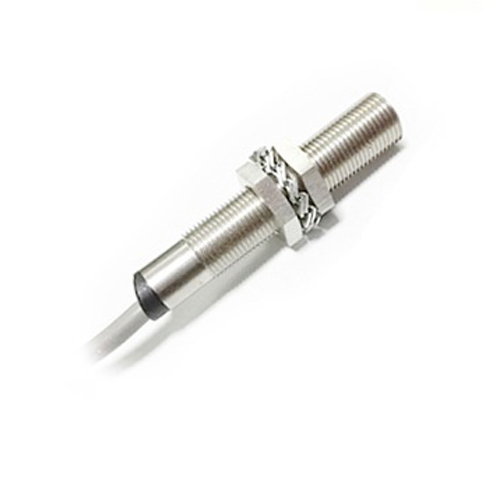
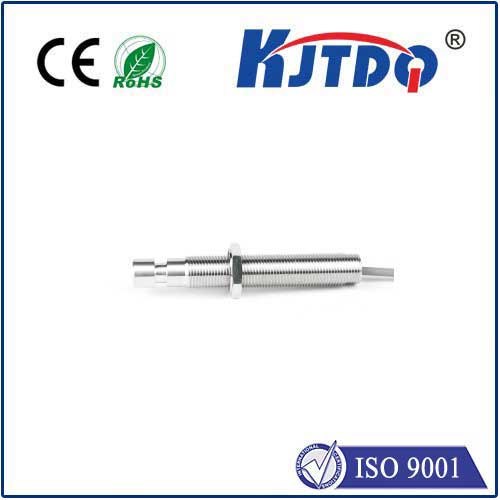
In today's fast-paced industrial landscape, ensuring product purity and operational safety is paramount. The integration of advanced sensing technology has become a cornerstone for achieving these goals. Among these technologies, the metal detection sensor stands out as a critical component for quality control and hazard prevention across numerous sectors, from food processing to pharmaceuticals and mining. The KJTDQ series represents a significant leap forward in this field, offering unparalleled reliability and precision.
Traditional methods for identifying metallic contaminants often relied on manual inspection or less sensitive electronic systems, leading to potential oversights and increased risk. Modern metal detection sensors, however, utilize electromagnetic fields to identify ferrous and non-ferrous metals, including stainless steel, aluminum, and copper, even when embedded within non-conductive products. The core principle involves a balanced coil system: when metal passes through the detection aperture, it disrupts the electromagnetic field, triggering a signal. The sophistication of the KJTDQ sensor lies in its ability to minimize false positives from product effect—a common challenge with moist or salty substances—through advanced digital signal processing and multi-frequency technology.
The applications for a high-performance metal detector like the KJTDQ are vast. In the food industry, it safeguards consumers by detecting metal fragments that may originate from worn machinery or packaging materials, preventing costly recalls and protecting brand reputation. For pharmaceutical manufacturers, it ensures the integrity of tablets and powders, complying with stringent Good Manufacturing Practice (GMP) regulations. In the textile and plastics industries, these sensors protect expensive downstream equipment, such as extruders and cutters, from catastrophic damage caused by tramp metal. Furthermore, in recycling facilities, metal detection sensors efficiently sort materials, enhancing the purity of output streams and improving overall recycling economics.
Choosing the right metal detection system involves several key considerations. Sensitivity is crucial; the ability to detect the smallest metal particle at high conveyor speeds directly impacts safety. The environmental rating, such as IP69K for high-pressure washdowns in food plants, ensures durability and hygiene. Ease of integration with existing production lines and user-friendly interfaces for calibration and data logging are also vital for seamless operation. The KJTDQ sensor is engineered with these factors in mind, featuring robust housing, intuitive touchscreen controls, and connectivity options for Industry 4.0 data collection and analysis.
Beyond basic detection, the future of this technology points towards smarter systems. Integration with machine learning algorithms allows for predictive maintenance, where the sensor can analyze signal trends to forecast potential system degradation before a failure occurs. This proactive approach minimizes unplanned downtime. Additionally, the data gathered by networked KJTDQ sensors can provide valuable insights into production line performance, identifying common contamination sources and enabling continuous process improvement.
Implementing a reliable metal detection solution is not merely a regulatory checkbox; it is a strategic investment. It reduces waste, prevents equipment damage, avoids litigation, and most importantly, builds consumer trust. A failure to detect a metal contaminant can have severe financial and reputational consequences. Therefore, partnering with a provider that offers robust technology, comprehensive support, and validation services is essential. The KJTDQ metal detection sensor, with its advanced features and proven track record, provides a formidable defense, turning a potential vulnerability into a demonstrable quality assurance asset.
Ultimately, the role of precision detection in modern manufacturing cannot be overstated. As production speeds increase and global supply chains demand higher standards, the margin for error shrinks. Deploying a superior system like the KJTDQ ensures that quality and safety are embedded into the very fabric of the production process, delivering peace of mind and tangible return on investment for businesses committed to excellence.