check

check

check

check

check

check
In the fast-paced world of manufacturing, packaging machines play a critical role in ensuring products are securely wrapped, labeled, and prepared for distribution. However, the efficiency and reliability of these machines heavily depend on the precision of their components. One such vital component is the proximity sensor, a device that has revolutionized packaging operations by enabling non-contact detection and automation. This article explores how proximity sensors are integrated into packaging machines, their benefits, and why they are indispensable in modern production lines.
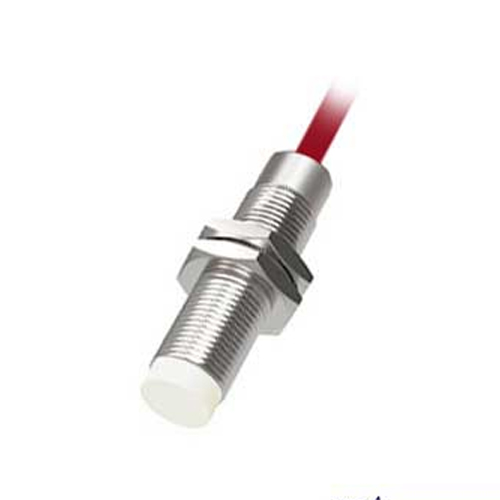
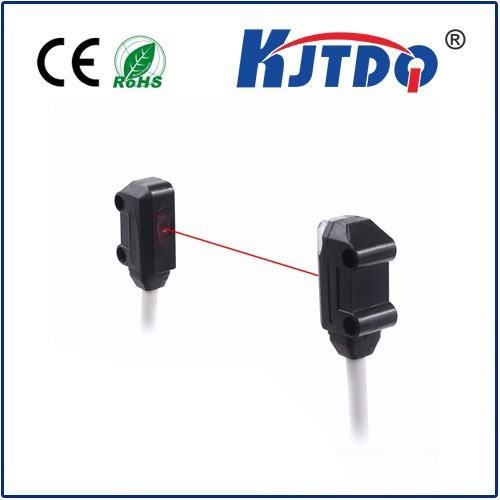
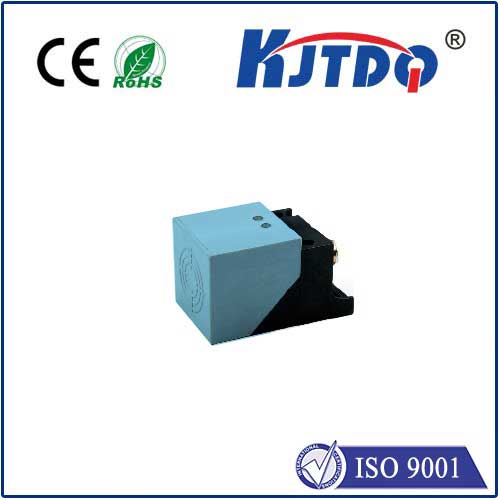
Proximity sensors are electronic devices designed to detect the presence or absence of objects without physical contact. They operate by emitting an electromagnetic field or beam and monitoring changes in the field when an object enters its range. In packaging machines, these sensors are commonly used to monitor the position of items on conveyor belts, detect packaging materials like films or boxes, and ensure proper alignment during sealing and labeling processes. For instance, in a filling machine, a proximity sensor can detect when a bottle is correctly positioned for capping, triggering the next step in the sequence without delay. This non-contact nature minimizes wear and tear, reducing maintenance costs and downtime.
The integration of proximity sensors into packaging machines offers numerous advantages. Firstly, they enhance accuracy by providing real-time feedback, which is crucial for high-speed packaging lines where even minor errors can lead to significant waste. For example, in food packaging, sensors ensure that each package is sealed correctly to maintain freshness and prevent contamination. Secondly, these sensors improve safety by preventing jams and collisions, as they can halt machinery if an object is misaligned. This not only protects the equipment but also safeguards operators from potential hazards. Additionally, proximity sensors contribute to energy efficiency by enabling machines to operate only when needed, such as activating a sealing mechanism precisely when a package is detected.
When selecting a proximity sensor for packaging applications, several factors must be considered. The sensing range, which varies from a few millimeters to several centimeters, should match the machine's requirements. For tight spaces in compact packaging units, short-range sensors are ideal, while longer ranges suit larger conveyors. Material compatibility is also key; sensors must reliably detect different materials like plastic, metal, or glass without interference. Environmental conditions, such as exposure to dust, moisture, or temperature fluctuations, require sensors with robust housing and high ingress protection ratings. Moreover, output types like digital or analog signals should align with the machine's control system for seamless integration.
Real-world applications demonstrate the transformative impact of proximity sensors in packaging. In the pharmaceutical industry, sensors ensure that blister packs are correctly formed and filled, adhering to strict regulatory standards. In e-commerce fulfillment centers, they enable automated sorting and boxing of diverse products, boosting throughput. As Industry 4.0 advances, smart proximity sensors with IoT connectivity are emerging, allowing for predictive maintenance and data analytics. These sensors can monitor performance trends, alerting operators to potential issues before they cause breakdowns, thus optimizing overall equipment effectiveness.
In conclusion, the proximity sensor for packaging machine is more than just a component—it is a cornerstone of modern automation that drives efficiency, accuracy, and safety. By adopting these sensors, manufacturers can reduce operational costs, minimize errors, and meet the growing demands for faster production cycles. As technology evolves, we can expect even more sophisticated sensors that further streamline packaging processes, making them indispensable in the quest for smarter, more responsive manufacturing environments.