check

check

check

check

check

check
In the world of industrial automation and machinery, precision and reliability are non-negotiable. At the heart of countless systems ensuring this dependability lies a critical component: the 3 wire proximity sensor. This device, often overlooked, is a cornerstone of modern manufacturing, packaging, and assembly lines. Unlike its 2-wire counterpart, the 3 wire sensor offers distinct advantages in performance and integration, making it a preferred choice for engineers seeking robust solutions.
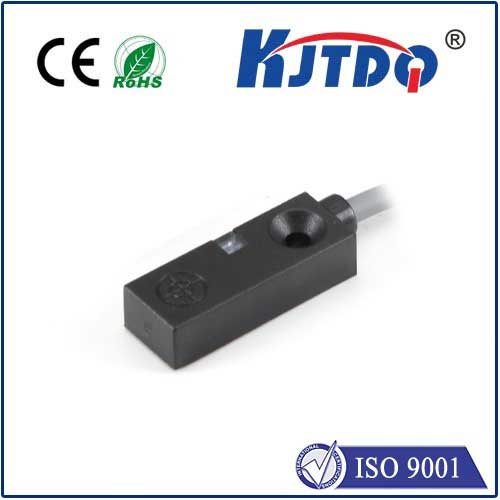
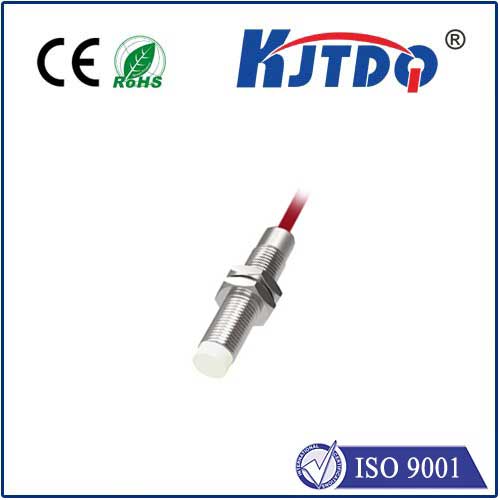
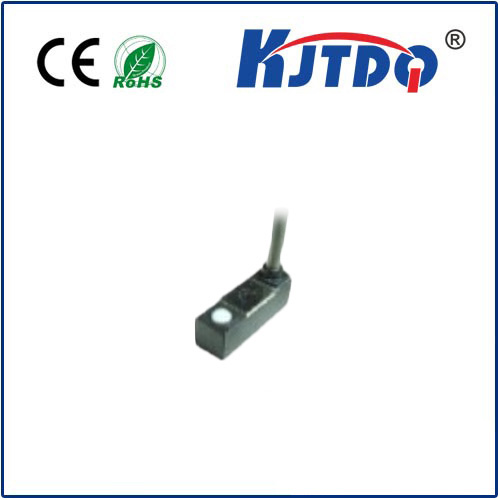
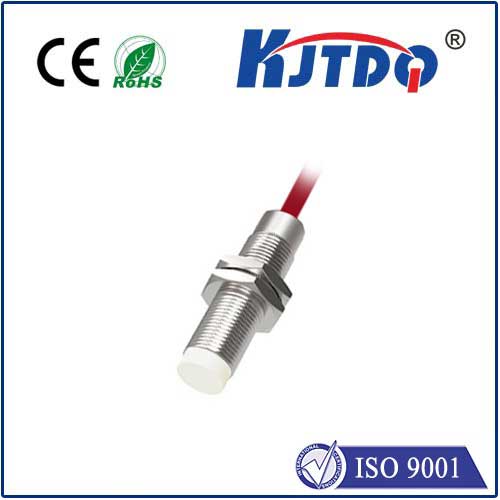
So, what exactly is a 3 wire proximity sensor? It is a non-contact electronic device designed to detect the presence or absence of a target object without physical touch. It operates on the principle of electromagnetic fields or capacitive coupling. The "3 wire" designation refers to its wiring configuration: typically comprising a positive voltage supply wire (brown), a negative or ground wire (blue), and a separate output signal wire (black). This dedicated output wire is key to its functionality, allowing for a clear, low-impedance switching signal that is less susceptible to electrical noise and voltage drops compared to 2-wire sensors. This design enables it to connect directly with programmable logic controllers (PLCs), relays, and other control systems with minimal fuss.
The benefits of opting for a 3 wire configuration are substantial. First and foremost is its superior switching performance. The output signal is strong and stable, capable of driving loads more effectively. This results in faster response times and more precise detection, crucial in high-speed production environments where every millisecond counts. Secondly, it offers lower leakage current. When in the "off" state, a 3 wire sensor draws virtually no current through the load, preventing false triggering or unintended activation of connected devices. This enhances overall system safety and energy efficiency. Furthermore, the wiring, while requiring one more connection than a 2-wire sensor, is often considered more straightforward for installation and troubleshooting, as the power and signal paths are distinctly separated.
These sensors come primarily in two types based on their output: NPN (sinking) and PNP (sourcing). The choice between NPN and PNP depends on the electrical configuration of the control system it needs to interface with. An NPN sensor switches the negative side of the load to ground, common in Asian and European designs. A PNP sensor switches the positive side to the load, often found in North American applications. Selecting the correct type is essential for seamless integration.
The applications for 3 wire proximity sensors are vast and varied. You will find them performing critical tasks in automotive manufacturing, detecting the position of robotic arms or verifying part placement. In food and beverage processing, stainless-steel housed variants ensure hygiene while monitoring packaging lines. They are indispensable in material handling for counting objects on conveyors, in machine tools for tool positioning, and in elevators for floor-level detection. Their durability, often rated for IP67 or higher, allows them to thrive in harsh environments with dust, moisture, and vibration.
When selecting a 3 wire proximity sensor for your project, several factors demand consideration. The sensing range, which varies from a few millimeters to several tens of millimeters, must match the application. The target material is also critical; inductive sensors detect metals, while capacitive sensors can detect non-metals like plastic, wood, or liquids. The housing material, be it nickel-plated brass, stainless steel, or plastic, should be chosen based on the environmental conditions. Finally, ensuring the voltage rating (commonly 10-30V DC) and output current capacity align with your control system's requirements is paramount for reliable operation.
Installation and maintenance are relatively simple but require attention to detail. Mount the sensor securely, ensuring the correct alignment and distance from the target. Avoid mounting multiple sensors too close to each other to prevent mutual interference. Regular checks for physical damage, accumulation of debris on the sensing face, and verification of the output signal with a multimeter can prevent unexpected downtime. The robust construction of these sensors means they often last for millions of operating cycles, providing an excellent return on investment.
In conclusion, the 3 wire proximity sensor is far more than just a simple switch. It is a sophisticated, reliable, and versatile workhorse that forms the sensory backbone of automated systems worldwide. Its design offers a perfect balance of performance, stability, and ease of use. For engineers and system integrators aiming to build resilient and efficient automation solutions, understanding and utilizing the capabilities of the 3 wire proximity sensor is a fundamental step toward achieving operational excellence and maintaining a competitive edge in today's fast-paced industrial landscape.