check

check

check

check
check
check
check
check

check

check
In today's fast-paced industrial and technological landscape, the demand for accurate, reliable, and efficient measurement tools has never been greater. Among the most critical instruments meeting this demand are laser rangefinders and length measuring sensors. These devices have revolutionized how distances and dimensions are captured across various sectors, from construction and surveying to manufacturing and robotics. Unlike traditional measuring tapes or mechanical gauges, laser-based systems offer non-contact operation, high-speed data acquisition, and exceptional precision, often down to millimeter or even sub-millimeter levels.
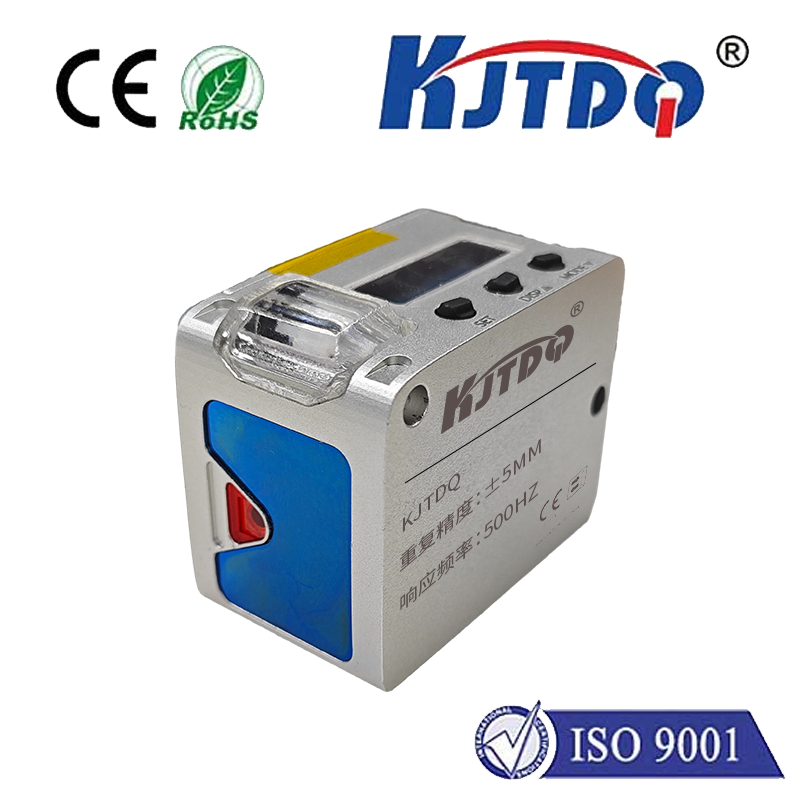
A laser rangefinder operates by emitting a laser beam toward a target and calculating the distance based on the time it takes for the light to reflect back to the sensor, a method known as time-of-flight. This technology enables quick and accurate measurements over long ranges, even in challenging environmental conditions. Modern rangefinders come equipped with features such as Bluetooth connectivity, data logging, and integration with mobile apps, allowing professionals to streamline their workflows. For instance, in construction, these tools are indispensable for site planning, verifying building dimensions, and ensuring structural alignments. Surveyors rely on them for topographic mapping and boundary assessments, while forestry experts use them to estimate tree heights and plot densities.
Complementing the rangefinder is the length measuring sensor, a device designed for continuous or dynamic measurement of linear displacement. These sensors often utilize laser triangulation, interferometry, or encoder-based systems to provide real-time feedback on length, position, or movement. In manufacturing environments, length measuring sensors are integral to quality control processes. They monitor production lines, verify component sizes, and detect deviations in real-time, thereby reducing material waste and minimizing errors. The automotive industry, for example, employs these sensors to ensure precise part assemblies, while in logistics, they help automate packaging and sorting operations by accurately measuring parcel dimensions.
The synergy between laser rangefinders and length measuring sensors lies in their shared core technology and complementary applications. Both leverage advanced optics, sophisticated algorithms, and robust electronics to deliver trustworthy data. However, their selection depends on specific use cases. Rangefinders are typically chosen for static, point-to-distance measurements, whereas length sensors excel in dynamic, continuous monitoring scenarios. Key factors influencing device choice include measurement range, accuracy requirements, environmental factors like ambient light or dust, and integration capabilities with existing systems.
Recent advancements have further enhanced the functionality of these tools. Innovations such as eye-safe laser classes, improved battery life, and enhanced resistance to vibrations and temperature fluctuations make them suitable for harsh outdoor or industrial settings. Additionally, the integration of artificial intelligence and machine learning allows for predictive maintenance and smarter data analysis, transforming raw measurements into actionable insights. For instance, in agriculture, combined sensor systems can monitor crop growth and optimize irrigation plans, while in smart cities, they assist in traffic management and infrastructure monitoring.
Despite their advantages, users must consider certain limitations. Laser performance can be affected by extreme weather, highly reflective surfaces, or obstructions. Regular calibration and adherence to safety standards are essential to maintain accuracy and prevent hazards. Moreover, selecting the right model requires a clear understanding of technical specifications, such as measurement rate, resolution, and interface options.
In conclusion, laser rangefinders and length measuring sensors represent pivotal tools in the modern measurement toolkit. Their ability to provide fast, precise, and non-contact data collection drives efficiency, safety, and innovation across diverse fields. As technology continues to evolve, these devices will likely become even more compact, affordable, and intelligent, opening new possibilities for automation and precision engineering. For professionals seeking to enhance their operational accuracy, investing in high-quality laser-based measurement solutions is not just an option but a necessity in staying competitive and achieving excellence in their respective domains.