check

check

check

check
check
check
check
check

check

check
In today's fast-paced industrial and technological landscape, the demand for accurate distance measurement and object detection is higher than ever. The laser rangefinder switch sensor stands out as a critical component in meeting this demand, offering unparalleled precision and reliability. This device combines the principles of laser ranging with switching capabilities, making it an indispensable tool across various sectors.
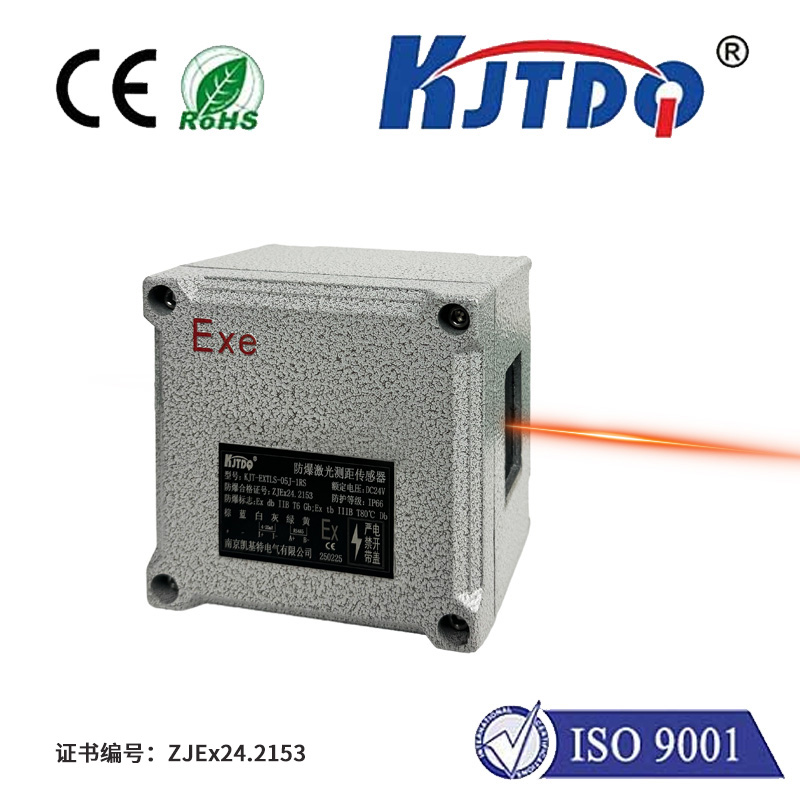
At its core, a laser rangefinder switch sensor operates by emitting a laser beam toward a target. The beam reflects off the surface and returns to the sensor, where the time of flight is calculated to determine the exact distance. What sets this sensor apart is its integrated switching function, which triggers an action—such as activating a machine, sounding an alarm, or recording data—when a specific distance threshold is reached. This dual functionality eliminates the need for separate measuring and control units, streamlining processes and reducing system complexity.
The applications of laser rangefinder switch sensors are vast and diverse. In manufacturing, they ensure precise positioning of robotic arms on assembly lines, enhancing efficiency and minimizing errors. In logistics, these sensors manage inventory by detecting the presence and height of items in warehouses, optimizing storage space. The automotive industry relies on them for collision avoidance systems, where they monitor distances to obstacles in real-time, improving safety for drivers and pedestrians alike. Additionally, in agriculture, they assist in automated machinery for planting and harvesting, contributing to smarter farming practices.
One of the key advantages of these sensors is their adaptability to challenging environments. Unlike traditional mechanical switches or ultrasonic sensors, laser-based models are less affected by factors like dust, moisture, or ambient noise. They provide consistent performance in outdoor settings or harsh industrial conditions, ensuring long-term durability. Moreover, with advancements in technology, modern laser rangefinder switch sensors offer high-resolution measurements, often with accuracy down to the millimeter, and fast response times that support real-time applications.
When selecting a laser rangefinder switch sensor, several factors come into play. The measuring range should align with the specific use case, whether it's short-distance tasks in electronics manufacturing or long-range monitoring in construction. The output options, such as analog signals or digital interfaces like IO-Link, enable seamless integration with existing control systems. Energy efficiency is another consideration, as low-power designs help reduce operational costs and support sustainable practices.
Installation and maintenance are straightforward, thanks to user-friendly designs. Most sensors feature compact housings that fit into tight spaces, and their non-contact nature minimizes wear and tear. Regular calibration checks ensure ongoing accuracy, but overall, they require less upkeep compared to mechanical alternatives. This ease of use makes them accessible to both experts and newcomers in fields like automation and engineering.
Looking ahead, the future of laser rangefinder switch sensors is bright. Innovations in miniaturization and connectivity are paving the way for smarter, IoT-enabled devices that can communicate data across networks. As industries continue to embrace automation and precision-driven solutions, these sensors will play a pivotal role in driving progress. From smart cities to advanced robotics, their ability to deliver reliable distance-based switching will remain a cornerstone of modern technology.
In summary, the laser rangefinder switch sensor represents a fusion of measurement and control that meets the evolving needs of today's applications. Its precision, versatility, and robustness make it a valuable asset for anyone seeking to enhance operational efficiency and safety. By understanding its capabilities and selecting the right model, users can unlock new levels of performance in their projects.