check

check

check

check
check
check
check
check

check

check
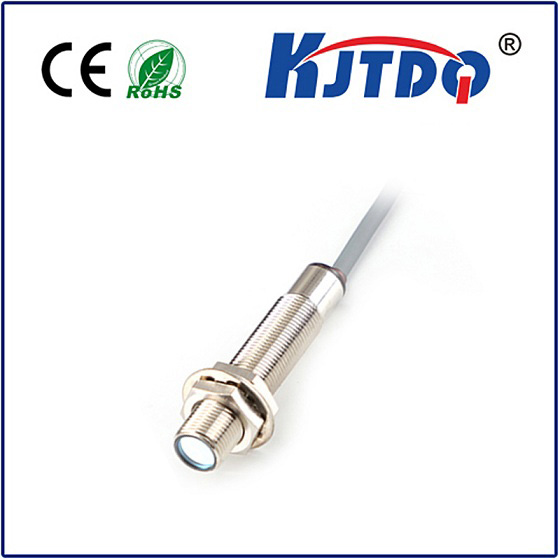
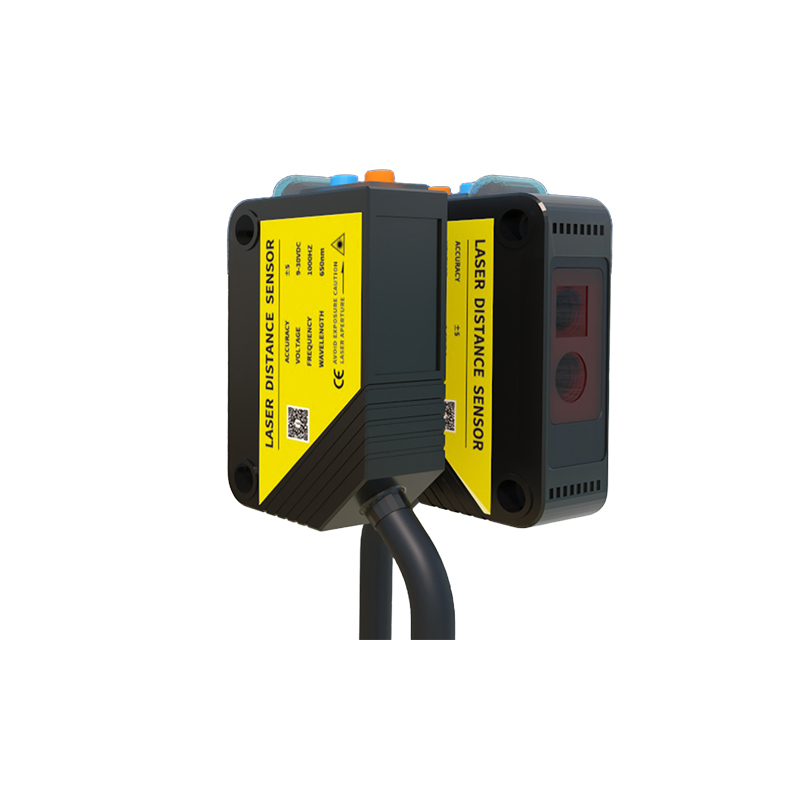
In the intricate world of industrial automation, the ability to detect objects with unwavering accuracy and reliability is paramount. Among the array of sensing technologies available, the Distance Setting Type Photoelectric Sensor stands out as a sophisticated solution for applications demanding precise, non-contact measurement and detection. Unlike traditional photoelectric sensors with fixed sensing distances, this advanced type offers programmable or adjustable detection ranges, providing engineers and system integrators with unparalleled flexibility.
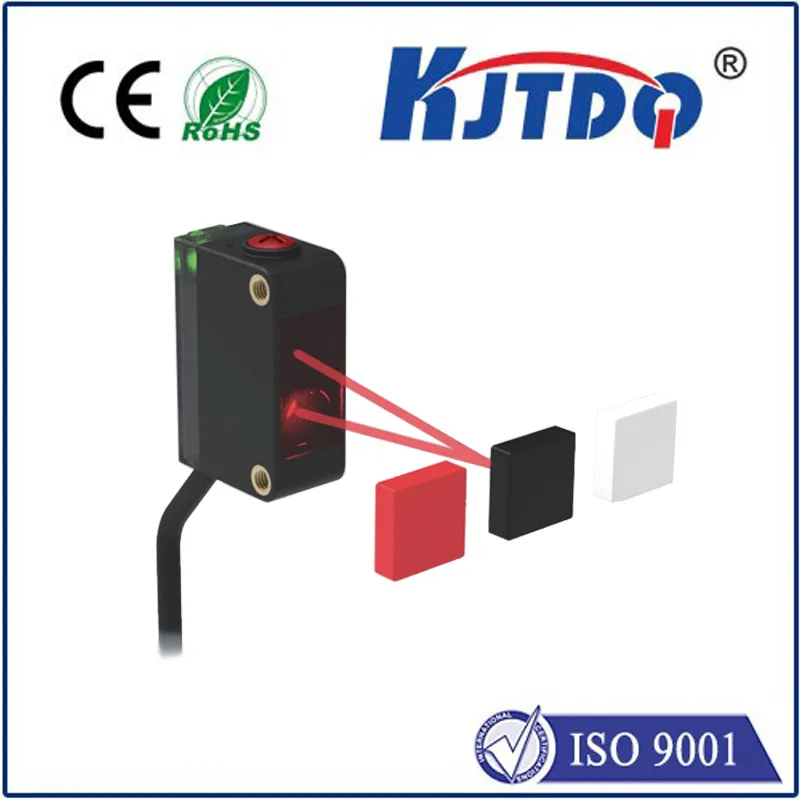
The core principle remains based on the emission and reception of light, typically using a focused beam from an LED or laser diode. The key differentiator lies in its setup methodology. Users can digitally set or teach the sensor a specific reference distance. The sensor then intelligently detects objects based on their position relative to this preset threshold. This is often achieved through a background suppression method or a time-of-flight (ToF) principle, where the sensor calculates distance by measuring the time it takes for the emitted light pulse to reflect off a target and return. This capability allows for highly selective detection, ignoring objects outside the desired range, such as background machinery or conveyor belts, thereby minimizing false triggers.
The advantages of implementing Distance Setting Type Photoelectric Sensors are substantial. First and foremost is precision. They enable detection based on an object's exact location, not just its presence, which is critical for tasks like height discrimination, precise positioning on assembly lines, or controlling fill levels in packaging without physical contact. This precision directly enhances quality control. Secondly, their flexibility drastically reduces installation and changeover time. A single sensor model can be quickly reconfigured for different detection ranges or new products, simplifying inventory management and adapting to evolving production needs. Furthermore, their inherent resistance to environmental interference—such as color, surface texture, or ambient light variations—is superior to many standard diffuse sensors, ensuring stable operation in challenging conditions.
Practical applications are vast and span numerous industries. In material handling and logistics, these sensors are indispensable for precise palletizing, detecting stacked box heights, and ensuring accurate robot pick-and-place operations. Within the automotive sector, they verify the correct seating of components in assemblies or monitor gaps with micron-level accuracy. Packaging machinery utilizes them to control the precise positioning of labels, verify cap placement on bottles, or count items on high-speed lines. Even in electronic manufacturing, they assist in wafer handling and verifying the presence of tiny components on circuit boards.
When selecting a Distance Setting Type Photoelectric Sensor, several technical specifications warrant careful consideration. The sensing range is primary, defining the minimum and maximum distances over which the sensor can be effectively programmed. Resolution and repeat accuracy determine how consistently and finely the sensor can distinguish between distances. The response time must be fast enough to keep pace with high-speed production lines. Environmental ratings for dust and water ingress (IP ratings) and operational temperature ranges are crucial for reliability in harsh industrial environments. Finally, the output type (NPN/PNP, analog, or digital communication protocols like IO-Link) must be compatible with the existing control system.
The integration of smart features is pushing the boundaries further. Modern sensors often come with IO-Link communication, enabling not only parameter setting but also continuous monitoring of device health, signal strength, and temperature. This facilitates predictive maintenance, reducing unplanned downtime. Advanced models may offer multiple teachable points or windows, allowing for complex detection logic within a single compact device.
In conclusion, the Distance Setting Type Photoelectric Sensor represents a significant leap forward in sensing technology. By marrying the non-contact benefits of photoelectric sensing with configurable distance thresholds, it delivers a powerful tool for enhancing precision, efficiency, and adaptability in automated systems. For engineers seeking to optimize processes, improve product quality, and future-proof their installations, understanding and leveraging this versatile sensor technology is no longer an option but a necessity in the competitive landscape of modern manufacturing and automation.