check

check

check

check
check
check
check
check

check

check
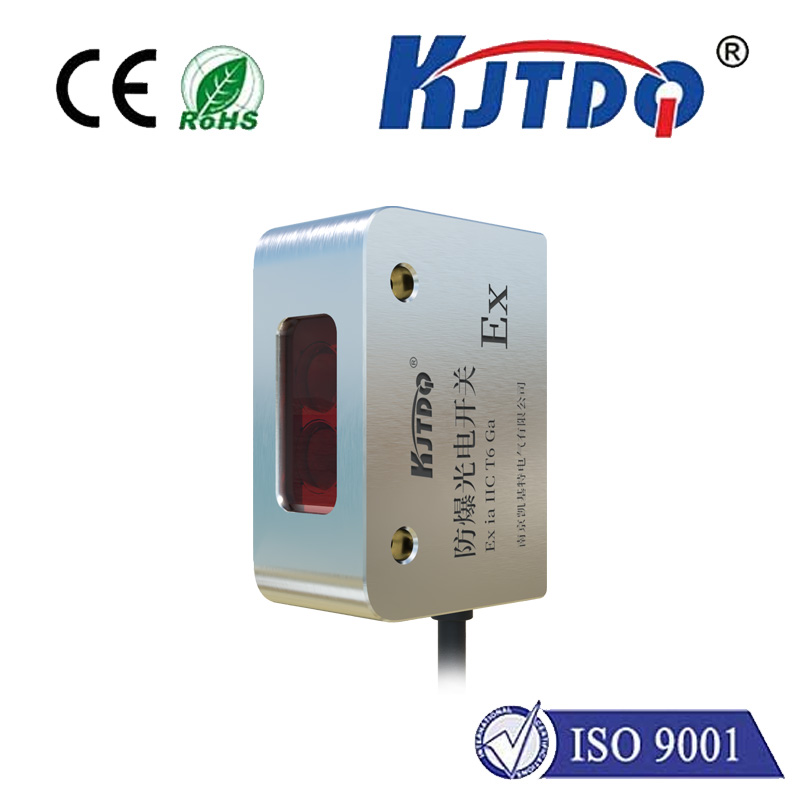
In the dynamic landscape of industrial automation, precision and adaptability are paramount. The adjustable distance photoelectric switch, often identified by model codes like KJTDQ, stands as a critical component in modern sensing technology. Unlike fixed-range sensors, this advanced device offers unparalleled flexibility, allowing engineers and system integrators to fine-tune detection ranges to meet specific application requirements. This capability is revolutionizing processes across manufacturing, packaging, material handling, and logistics.
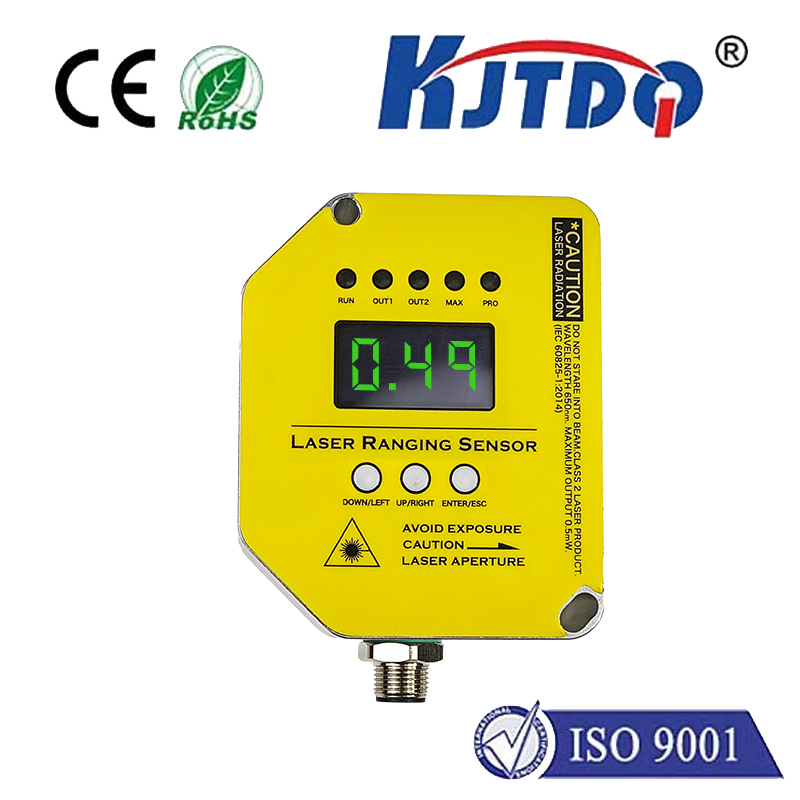
The core principle of an adjustable distance photoelectric switch remains based on the emission and reception of a light beam, typically infrared, visible red, or laser. The transmitter projects a light beam towards a target or a reflector. The receiver then detects either the presence of the beam (for through-beam models) or its reflection (for retro-reflective or diffuse models). The revolutionary aspect lies in its integrated circuitry, which enables users to calibrate the exact distance at which the switch activates. This is often achieved through a potentiometer, a digital dial, or via software interface in more sophisticated models, providing a precise threshold for object detection.
The benefits of implementing such a switch are substantial. First and foremost is enhanced system flexibility. A single adjustable sensor model can be deployed in multiple applications with varying distance requirements, reducing inventory costs and simplifying maintenance. For instance, on a production line handling products of different sizes, the sensor's range can be quickly recalibrated without physical replacement or complex realignment. This leads to minimized downtime and increased overall equipment effectiveness (OEE).
Secondly, it improves accuracy and reduces errors. By setting an exact sensing distance, the system can distinguish between closely spaced objects or ignore background interference, a common challenge with standard diffuse sensors. This precision is crucial in quality control checkpoints, robotic positioning, and precise counting applications. The ability to ignore non-relevant objects or environmental factors directly translates to higher product quality and fewer false triggers.
Furthermore, adjustable photoelectric switches contribute to long-term cost efficiency. Their durability and reduced need for replacement due to application changes extend the asset's lifecycle. The simplified setup and troubleshooting processes also lower the requirement for highly specialized technical labor on the factory floor. Integration with programmable logic controllers (PLCs) and industrial networks is seamless, making them a future-proof investment for smart factories and Industry 4.0 initiatives.
Typical applications are diverse. In packaging machinery, they ensure cartons are correctly positioned for sealing. In automotive assembly, they verify the presence of components at precise locations on the line. In warehouse automation, they control the spacing between totes on conveyors. The adjustable feature is particularly valuable in environments where production runs change frequently or where the target object's properties, such as color or reflectivity, may vary.
When selecting an adjustable distance photoelectric switch like the KJTDQ series, key specifications to consider include the adjustable range (e.g., 0.1m to 5m), the type of light source, response time, output configuration (PNP/NPN, relay), housing material for environmental protection (IP67 rating is common for dust and water resistance), and the availability of diagnostic indicators like visible beam or status LEDs. Proper installation, considering factors like ambient light, mounting angle, and target surface characteristics, is essential to harness its full potential.
In conclusion, the adjustable distance photoelectric switch represents a significant leap from rigid, fixed-function sensors. By offering tunable precision, it empowers industries to build more responsive, efficient, and adaptable automated systems. As technology advances, these sensors are becoming more intelligent, with features like background suppression and advanced communication protocols, further solidifying their role as indispensable tools in the pursuit of operational excellence and manufacturing agility.