check

check

check

check
check
check
check
check

check

check
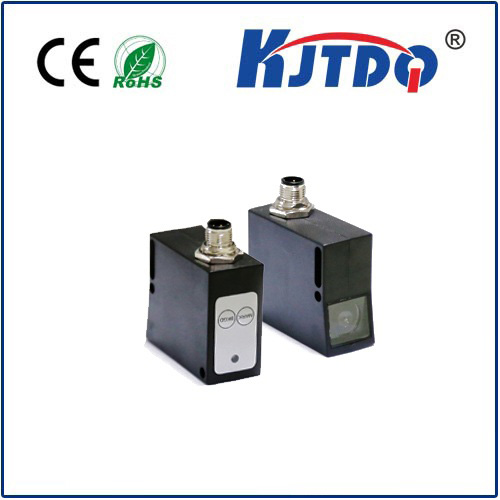
In the rapidly evolving landscape of precision technology, a groundbreaking innovation is setting new standards for accuracy and portability. The miniature laser rangefinder sensor represents a significant leap forward, offering high-precision distance measurement capabilities packed into an exceptionally small form factor. This advancement is not merely a matter of shrinking existing technology; it involves a complete re-engineering of optical components, signal processing algorithms, and power management systems to deliver reliable performance where space is at a premium.
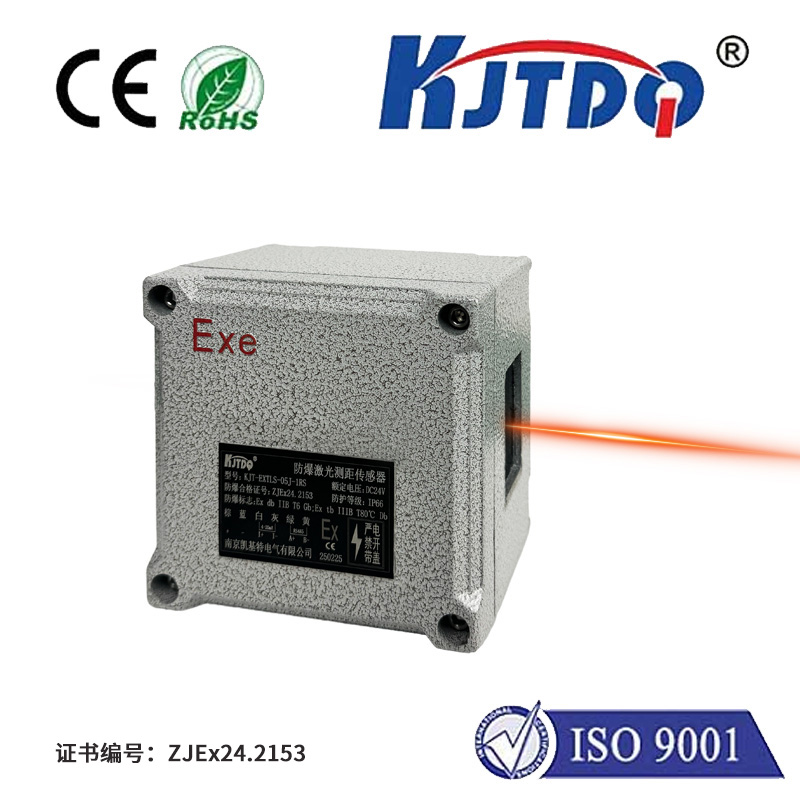
The core technology behind these sensors typically utilizes time-of-flight (ToF) principles. A laser diode emits a focused pulse of light towards a target. A highly sensitive photodetector then captures the reflected signal. By calculating the time difference between the emission and reception of the laser pulse, the sensor's onboard processor can determine the distance to the target with remarkable accuracy, often within millimeters. The miniaturization challenge was overcome through advancements in integrated circuit design, allowing for the consolidation of the laser emitter, detector, and computational unit onto a single, compact chip-scale module.
The applications for such a compact yet powerful sensor are vast and transformative. In the consumer electronics sector, it enables new features in smartphones and tablets, from improved camera autofocus and augmented reality experiences to precise gesture control. Drones and unmanned aerial vehicles (UAVs) utilize these sensors for critical altitude hold, obstacle avoidance, and terrain mapping, ensuring safer and more autonomous flight operations. Robotics, both industrial and service-oriented, relies on them for navigation, object manipulation, and spatial awareness within confined environments.
The industrial and manufacturing domains benefit immensely. Miniature laser rangefinders facilitate non-contact measurement in quality control processes, monitor material levels in silos, and guide automated assembly robots with pinpoint accuracy. Their small size allows for integration into handheld inspection tools and portable devices used in construction, surveying, and interior design, bringing lab-grade measurement to the field. Furthermore, the automotive industry integrates them into advanced driver-assistance systems (ADAS) for functions like parking assistance and blind-spot monitoring.
A key advantage of the modern miniature laser rangefinder sensor is its improved power efficiency. Engineers have developed low-power consumption modes and intelligent triggering mechanisms, enabling operation in battery-powered devices for extended periods. This makes them ideal for Internet of Things (IoT) devices, wearable technology, and other applications where energy autonomy is crucial. Durability has also been enhanced, with many models featuring robust housings resistant to dust, moisture, and vibration, meeting the demands of harsh operational environments.
Looking ahead, the trajectory for this technology points toward even greater integration and intelligence. Future iterations will likely feature enhanced multi-target discrimination, longer operational ranges, and seamless wireless connectivity for data transmission. The fusion of miniature laser rangefinder data with inputs from other sensors like inertial measurement units (IMUs) and cameras will create more sophisticated perception systems for autonomous machines and smart environments.
The development of the miniature laser rangefinder sensor underscores a broader trend in technology: the relentless pursuit of making powerful tools smaller, smarter, and more accessible. By condensing high-precision measurement into a tiny package, it unlocks possibilities across countless industries, driving innovation in product design, operational efficiency, and safety protocols. This technology is quietly becoming a fundamental component in the toolkit of modern engineering, enabling a future where precise spatial awareness is embedded into the devices and systems we interact with daily.