check

check

check

check
check
check
check
check

check

check
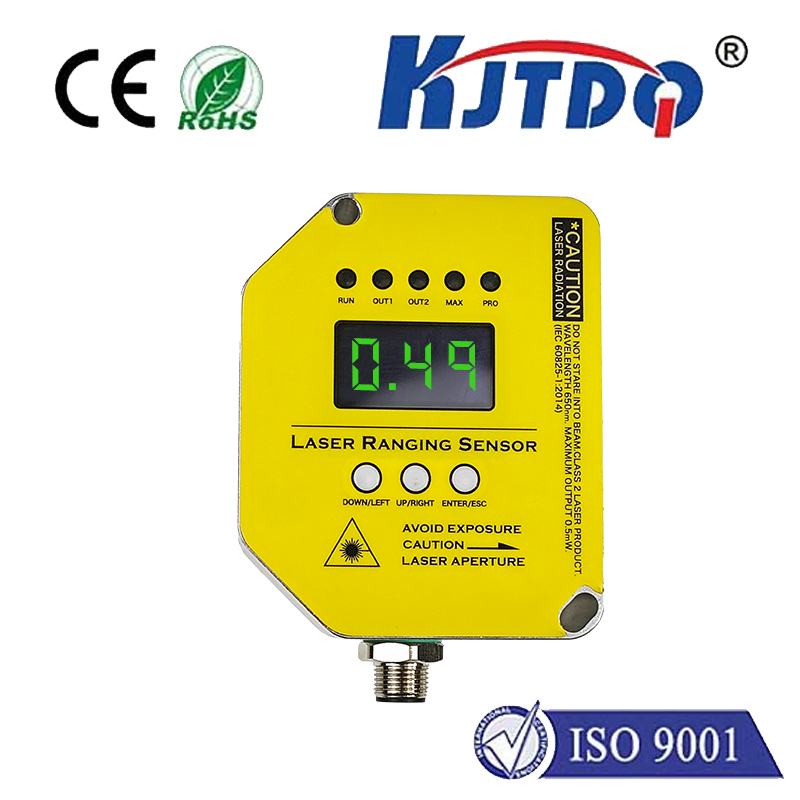
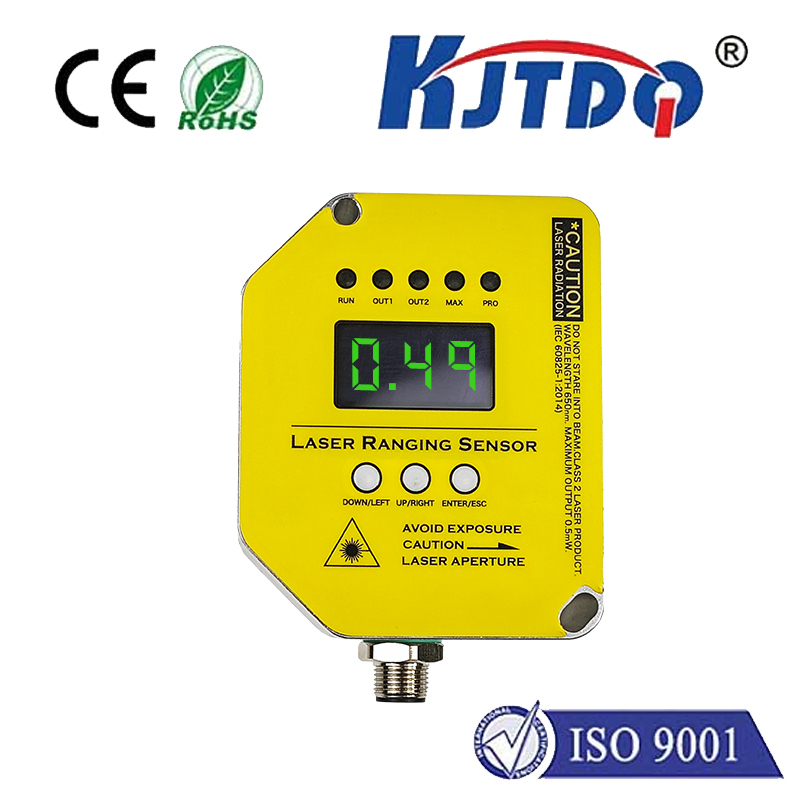
In industries where safety is not just a priority but a non-negotiable mandate, the tools used must meet the highest standards of reliability and protection. Among these critical instruments, the explosion-proof laser rangefinder stands out as a technological sentinel, enabling precise distance measurement in environments where a single spark could lead to catastrophe. This specialized equipment is engineered to operate flawlessly within classified hazardous areas, such as oil and gas refineries, chemical processing plants, mining operations, and grain handling facilities, where flammable gases, vapors, dust, or fibers may be present.
Unlike standard laser rangefinders, an explosion-proof model is encased in a robust housing designed to contain any internal explosion. This containment prevents the ignition of the surrounding volatile atmosphere. The construction typically involves heavy-duty materials like stainless steel or reinforced aluminum alloys, and the design ensures that all joints and seals are meticulously engineered to withstand extreme pressures. The optical lens is often made of hardened glass, resistant to scratches and impacts common in industrial settings. Internally, the electrical circuits are intrinsically safe, meaning they operate at energy levels too low to generate a spark capable of ignition, even in the event of a component failure.
The core functionality remains the same: using a laser pulse to measure distance with exceptional accuracy. However, explosion-proof variants incorporate additional layers of safety and durability. They often feature longer battery life to reduce the frequency of changes in hazardous zones, simplified user interfaces operable with gloved hands, and enhanced resistance to environmental factors like water, dust, and corrosive substances, frequently meeting IP67 or higher ingress protection ratings. Advanced models may include features like Bluetooth connectivity for safe data transfer to a secure zone, integrated cameras for visual documentation, and sophisticated software for calculating area, volume, and indirect measurements.
The operational advantages are substantial. First and foremost, they provide a critical layer of safety, allowing for necessary measurements in Zone 1, Zone 2, or Division 1 and Division 2 areas without requiring a costly and time-consuming plant shutdown or gas clearance procedure. This capability directly translates to increased operational efficiency and reduced downtime. The precision of laser measurement minimizes human error in tasks like tank level sizing, stockpile volume calculation, structural inspection, and equipment installation, leading to better inventory management, planning, and compliance with safety regulations.
When selecting an explosion-proof laser rangefinder, several key specifications demand attention. The ATEX or IECEx certification is paramount; it is the official proof that the device has been tested and approved for use in specific explosive atmospheres in Europe or internationally. The device's classification (e.g., II 2G Ex ib IIC T4 Gb) details the exact type of hazard and temperature class it is suited for. The maximum measuring range, accuracy (typically within ±1.0 to ±2.0 mm), and the laser's wavelength and class are also crucial technical parameters. Ergonomics, display readability in bright sunlight, and the overall robustness of the build are practical considerations for daily use.
Implementing these devices requires adherence to strict protocols. Personnel must be trained not only on how to use the rangefinder but also on understanding the hazardous area classifications and the limitations of the device's certification. Regular maintenance and inspection, as stipulated by the manufacturer and safety standards, are essential to ensure the integrity of the explosion-proof enclosure and internal components over time. Proper storage and handling prevent damage that could compromise its safety features.
The evolution of this technology continues, with trends pointing towards smarter, more integrated solutions. Future explosion-proof rangefinders may feature more advanced sensors, real-time data syncing with plant management systems via intrinsically safe networks, and augmented reality overlays to assist technicians in complex measurement scenarios. The goal remains constant: to deliver uncompromising accuracy while providing an impregnable shield against potential ignition sources. For engineers, safety officers, and project managers operating on the front lines of hazardous industries, the explosion-proof laser rangefinder is more than a measuring tool; it is an indispensable partner in maintaining the delicate balance between operational progress and absolute safety, ensuring that every measurement taken is a step towards a more secure and efficient worksite.