check

check

check
check
check
check
check
check

check

check
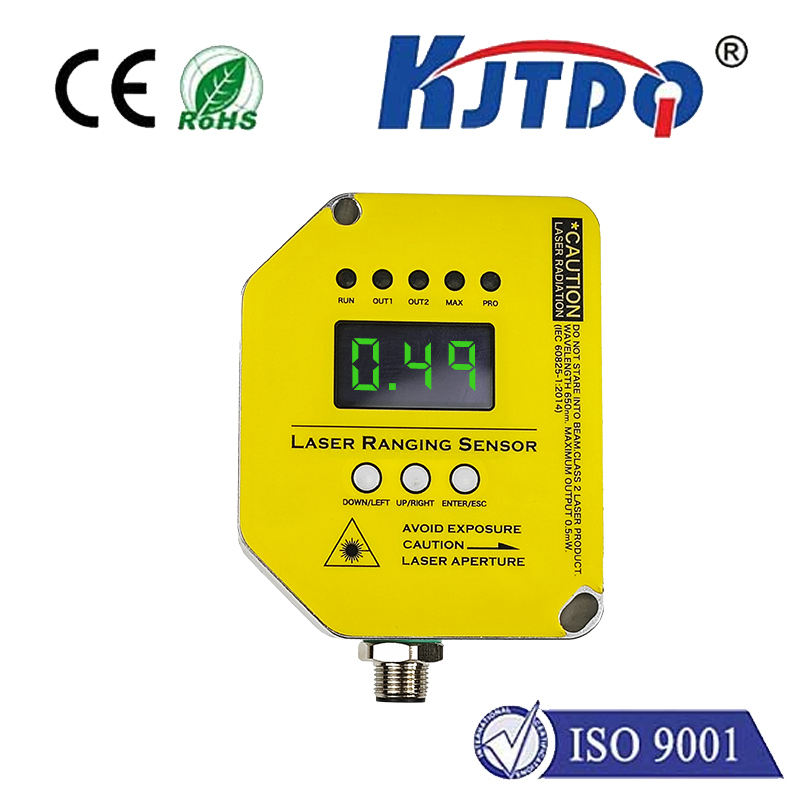
In the world of industrial automation, precision measurement is not just a convenience; it's a critical component of efficiency, safety, and quality control. At the heart of many advanced systems lies a technology that delivers unparalleled accuracy and reliability: the industrial-grade laser ranging sensor. These sophisticated devices have evolved far beyond simple distance measurement tools, becoming integral to the seamless operation of modern factories, logistics hubs, and robotic workcells.
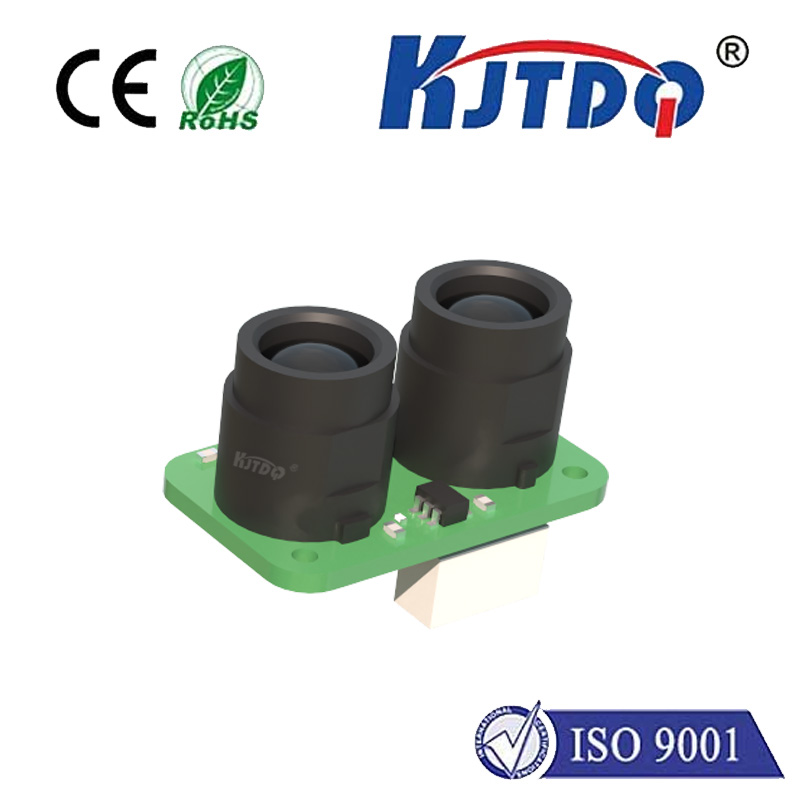
Unlike their consumer or generic counterparts, industrial-grade laser ranging sensors are built to withstand the rigors of harsh environments. They are engineered with robust housings, often rated to IP67 or higher, protecting sensitive internal components from dust, moisture, and mechanical shock. This durability ensures consistent performance on factory floors where vibrations, temperature fluctuations, and exposure to coolants or oils are commonplace. The core technology typically utilizes a time-of-flight (ToF) or phase-shift measurement principle, where a laser diode emits a focused beam of light. The sensor precisely calculates the time it takes for the reflected light to return, translating it into a highly accurate distance reading with resolutions down to the sub-millimeter level.
The applications for these sensors are vast and transformative. In automated guided vehicle (AGV) systems, they provide real-time, non-contact positioning and obstacle detection, enabling safe navigation through dynamic warehouse spaces. On assembly lines, they perform critical tasks such as precise height profiling of components, verifying part presence, and ensuring correct positioning before a robotic arm executes a weld or pick-and-place operation. In logistics, they are used for volume measurement of packages, optimizing storage and shipping costs. Furthermore, in heavy industries like steel or lumber, they monitor dimensions and profiles with extreme accuracy, ensuring product consistency and minimizing waste.
One of the key advantages of modern industrial laser sensors is their advanced functionality. Features like programmable measurement windows, multiple output interfaces (analog, digital, IO-Link, Ethernet), and sophisticated background suppression allow them to be seamlessly integrated into complex control systems. They can ignore irrelevant background objects, focusing only on the target, which is crucial in cluttered industrial settings. This intelligence reduces setup time and increases system robustness.
Selecting the right industrial-grade laser sensor requires careful consideration of several parameters. The required measuring range, the reflectivity and surface characteristics of the target material, the necessary measurement speed (response time), and the environmental conditions all play a decisive role. For instance, measuring a dark, absorbent surface requires a sensor with higher laser power or a different wavelength compared to measuring a bright, reflective surface. The choice between a diffuse reflection model, for general-purpose use, and a retro-reflective model, for longer ranges with a cooperative reflector, is another critical decision.
Ultimately, the integration of a high-performance laser ranging sensor is an investment in operational excellence. It drives automation forward by providing the reliable, precise data that control systems depend on. This leads to reduced downtime, lower rejection rates, enhanced worker safety through improved machine guarding and collision avoidance, and a significant boost in overall productivity. As Industry 4.0 and smart manufacturing initiatives continue to advance, the demand for these intelligent, connected sensing solutions will only grow, solidifying their role as indispensable eyes for the automated industrial world.