check

check

check

check

check

check
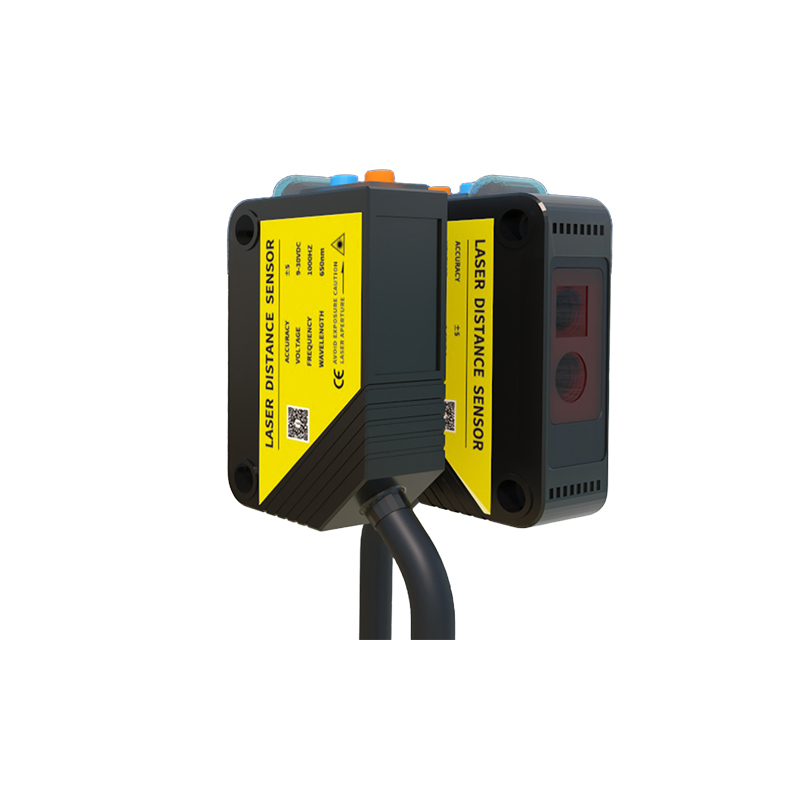
In the demanding world of industrial automation, process control, and scientific research, the ability to perform accurate distance measurements in high-temperature environments has long been a significant challenge. Traditional sensors often falter when exposed to intense heat, leading to data inaccuracies, frequent maintenance, and costly downtime. The advent of the High Temperature Laser Ranging Sensor marks a pivotal advancement, offering a robust and reliable solution for applications where extreme heat is a constant factor.
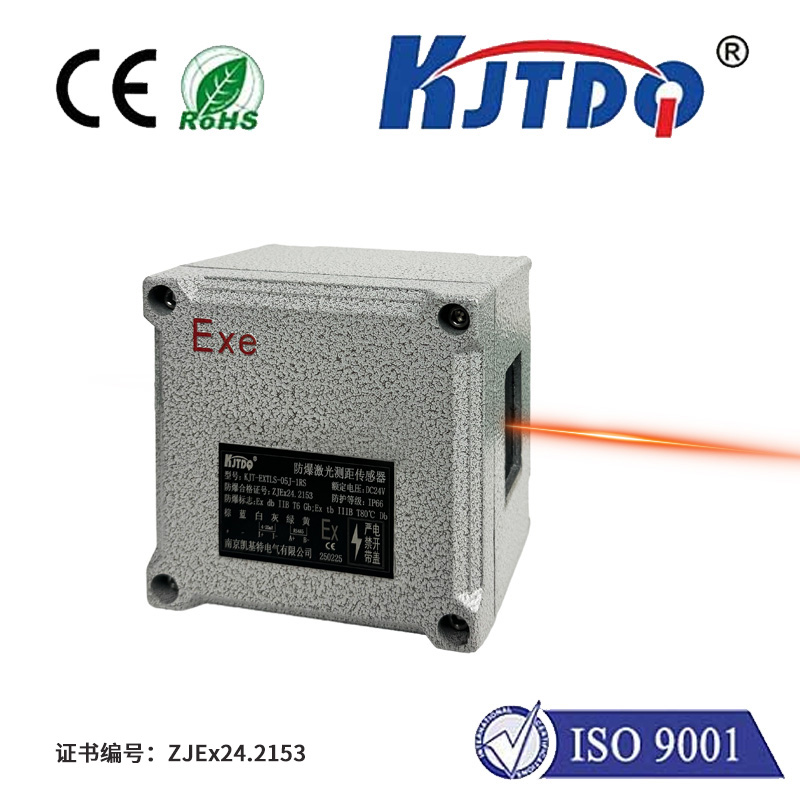
Unlike conventional ultrasonic or contact-based measurement systems, a High Temperature Laser Ranging Sensor operates on the principle of time-of-flight or phase-shift measurement using a focused laser beam. This non-contact methodology is fundamental to its success in harsh conditions. The sensor emits a laser pulse towards a target. The time it takes for the reflected pulse to return is precisely calculated, yielding an exact distance measurement. This process remains unaffected by the ambient temperature of the air between the sensor and the target, provided the sensor's core components are properly protected.
The true engineering marvel lies in its specialized design to withstand thermal stress. Key to its performance is the integration of advanced thermal management systems. These may include active cooling jackets, heat sinks made from specialized alloys, and internal thermal barriers that isolate the sensitive optoelectronic and processing components from external heat. The laser diode itself is often selected for high-temperature stability, and the lens assembly is crafted from materials like sapphire or specialized ceramics that resist thermal expansion and degradation. This meticulous design ensures consistent measurement accuracy and long-term reliability even when the sensor housing is exposed to temperatures exceeding several hundred degrees Celsius.
The applications for this technology are vast and critical. In the metals industry, these sensors are indispensable for monitoring molten metal levels in furnaces, tundishes, and ladles. Precise level control is essential for safety, quality, and process efficiency. Within glass manufacturing, they measure the gob of molten glass and monitor forming processes, where temperatures are exceptionally high. Power generation plants utilize them to monitor coal or biomass levels in high-temperature hoppers and silos. Furthermore, in aerospace testing and automotive engine research, these sensors provide vital data on component displacement and thermal expansion under extreme heat conditions.
Selecting the right High Temperature Laser Ranging Sensor requires careful consideration of several parameters. The maximum ambient temperature rating is paramount, ensuring the sensor can survive the specific environment. Measurement range, repeatability, and the response time must align with the process requirements. The type of laser (e.g., Class 1 or Class 2 for safety) and its wavelength can affect performance on different surface types. Finally, the robustness of the housing, typically rated at IP67 or higher, ensures protection not only from heat but also from dust, moisture, and mechanical impact.
Implementing these sensors also involves strategic installation. While the sensor is hardened against heat, it is often recommended to mount it at a reasonable distance from the primary heat source or use a purge air system to create a cooler air curtain in front of the lens. Regular maintenance, primarily focused on keeping the lens clean from process fumes or dust, is simple but crucial for maintaining optimal performance.
In conclusion, the High Temperature Laser Ranging Sensor is no longer a niche laboratory tool but a cornerstone of modern industrial measurement. It bridges the gap where other technologies fail, delivering non-contact, precise, and reliable data from the heart of extreme thermal processes. By enabling better control, enhancing safety, and reducing waste, this technology empowers industries to push the boundaries of efficiency and innovation in the most challenging environments. For engineers and plant managers, it represents a dependable partner in mastering the heat.