check

check

check

check

check

check
In an era where precision is paramount, the 20-meter laser rangefinder sensor stands as a critical tool across numerous industries. This compact yet powerful device utilizes laser technology to deliver accurate distance measurements up to 20 meters, enabling tasks that require exact spatial awareness. Unlike traditional measuring tapes or ultrasonic sensors, laser rangefinders offer superior speed, accuracy, and reliability, making them indispensable in fields ranging from construction and surveying to robotics and smart home automation.
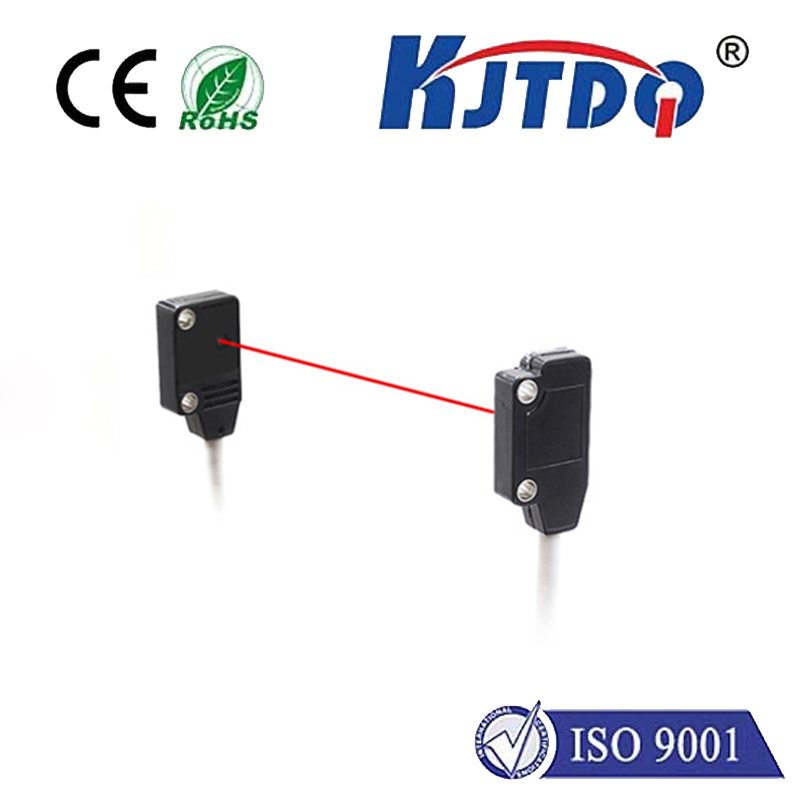
The core technology behind a 20-meter laser rangefinder is time-of-flight (ToF) measurement. The sensor emits a focused laser pulse towards a target. A high-speed detector then captures the reflection of this pulse. By precisely calculating the time it takes for the light to travel to the target and back, the sensor's internal processor can determine the distance with remarkable accuracy, often within a few millimeters. This non-contact method eliminates errors associated with physical contact or environmental interference common with other techniques.
For professionals in construction and interior design, this sensor is a game-changer. It allows for rapid room dimensioning, site layout verification, and material quantity estimation with a simple point-and-click operation. The efficiency gains are substantial, reducing project planning time and minimizing costly measurement errors. Surveyors and forestry professionals also benefit, using these handheld devices for quick land assessments and tree height measurements, integrating seamlessly with digital mapping software.
The integration of 20-meter laser rangefinder sensors into robotics and automation systems is driving innovation. Autonomous mobile robots (AMRs) and drones rely on these sensors for navigation, obstacle avoidance, and spatial mapping. By providing real-time, high-precision distance data, they enable machines to operate safely and effectively in dynamic environments, from warehouse floors to agricultural fields. This capability is foundational for the development of smarter, more autonomous systems.
In the consumer electronics and smart device sector, the application of this technology is expanding rapidly. Modern smartphones are beginning to incorporate miniature laser autofocus sensors, which significantly improve camera focus speed and low-light performance. For DIY enthusiasts and homeowners, affordable handheld laser measures have revolutionized home improvement projects, offering professional-grade accuracy in a user-friendly package. These tools simplify tasks like furniture placement, curtain hanging, and room planning.
When selecting a 20-meter laser rangefinder sensor, several key specifications demand attention. Measurement accuracy and resolution are primary, defining how close the reading is to the true distance. The laser class (typically Class 2) indicates its safety for eye exposure. Durability features like water and dust resistance (IP ratings) are crucial for use in harsh job site conditions. Additionally, connectivity options such as Bluetooth for data transfer to smartphones or tablets can greatly enhance workflow integration and data management.
The future of laser rangefinding technology points towards even greater miniaturization, enhanced accuracy, and lower power consumption. Integration with other sensing modalities like inertial measurement units (IMUs) and cameras will lead to more sophisticated situational awareness for devices. As the Internet of Things (IoT) ecosystem grows, these sensors will become more prevalent, providing critical spatial data that enables smarter environments, from intelligent warehouses that optimize storage to advanced driver-assistance systems (ADAS) that enhance vehicle safety.
Ultimately, the 20-meter laser rangefinder sensor is more than just a measuring tool; it is a fundamental component enabling precision in the digital age. Its ability to provide instant, reliable distance data empowers professionals and consumers alike, fostering efficiency, safety, and innovation. As technology continues to evolve, the role of these precise optical sensors will only become more central to our interaction with the physical world, bridging the gap between manual tasks and automated, data-driven solutions.