check

check

check

check

check

check
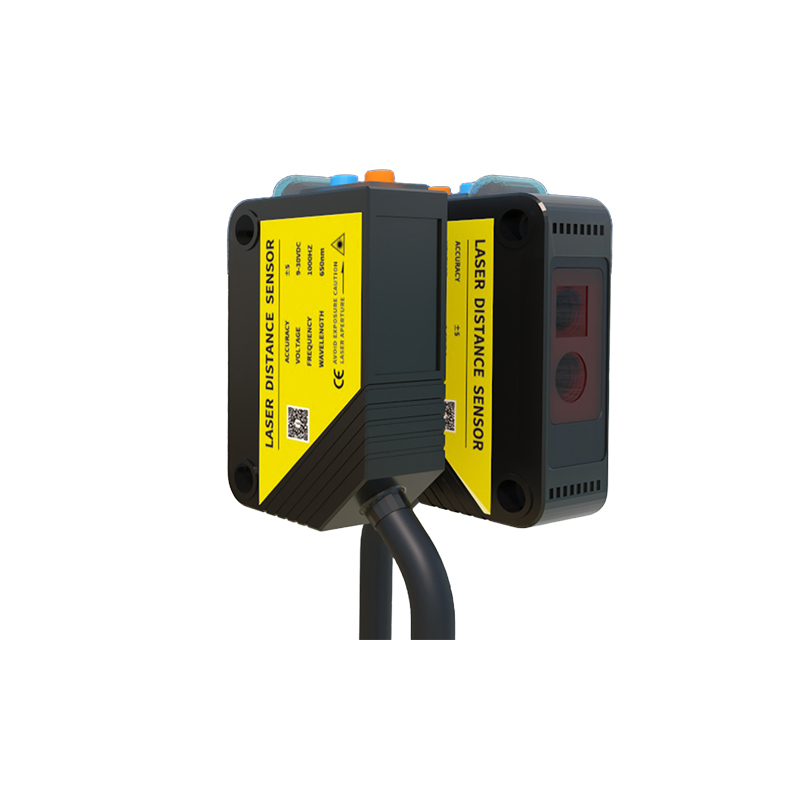
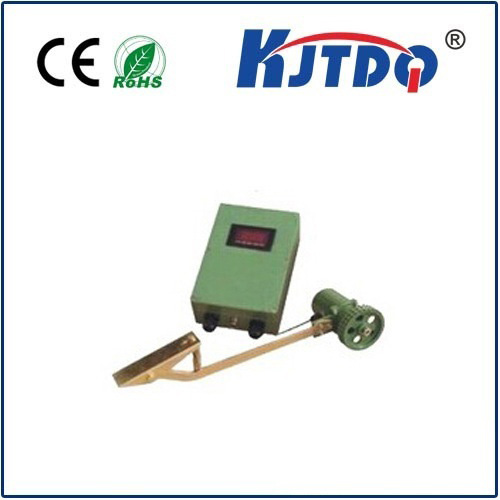
In industrial settings where flammable gases, vapors, or combustible dusts are present, safety is not just a priority—it is an absolute mandate. Standard measurement equipment can become ignition sources, posing catastrophic risks. This is where the Explosion-proof Range Measurement Sensor emerges as a critical technological guardian. Engineered specifically for hazardous areas classified under systems like ATEX, IECEx, or NEC, these sensors provide reliable distance, level, and position data without compromising the integrity of the environment.
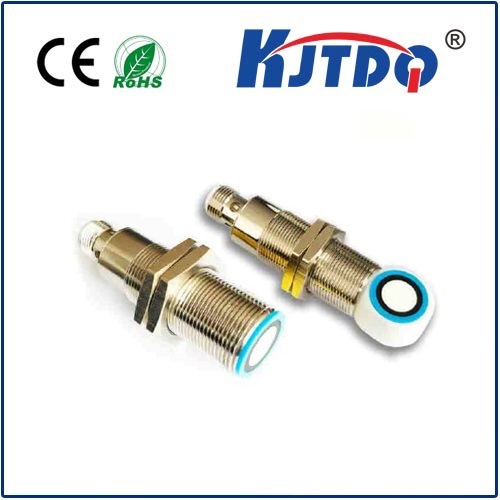
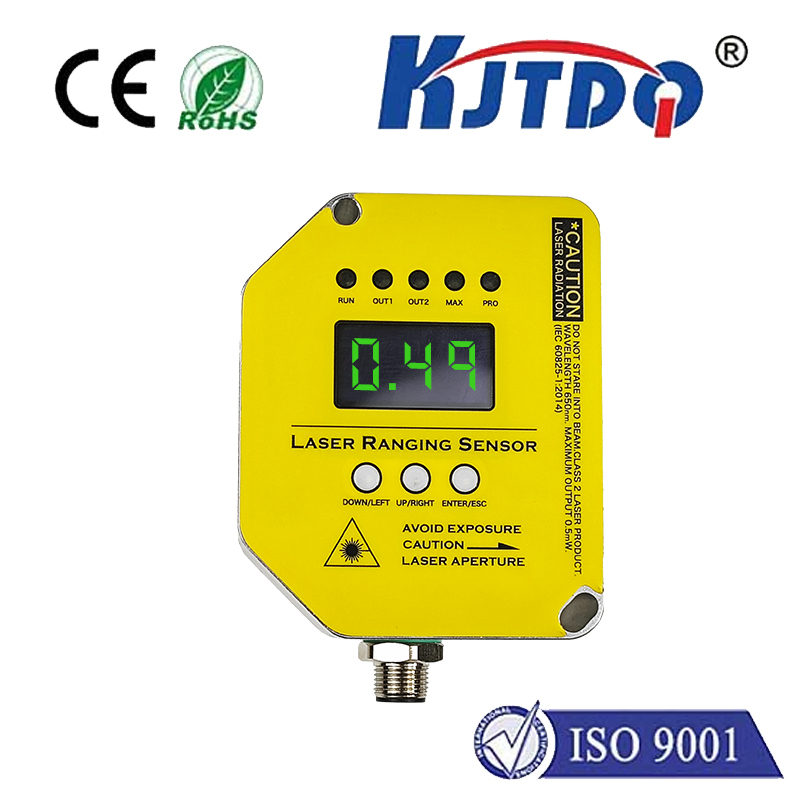
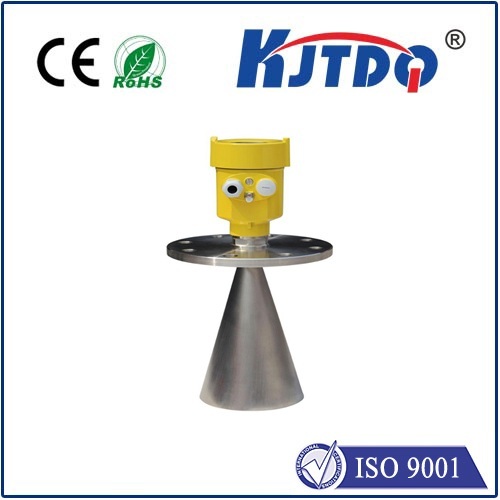
The core principle of an explosion-proof sensor lies in its robust containment design. Unlike intrinsically safe devices that limit electrical energy, explosion-proof enclosures are constructed to withstand and contain any internal explosion, preventing it from igniting the surrounding atmosphere. This rugged housing, often made from durable materials like stainless steel or aluminum alloys, protects the sophisticated internal components. These typically utilize time-of-flight (ToF), ultrasonic, or laser-based technologies to deliver precise, non-contact measurements. Whether monitoring the fill level of a volatile chemical tank, controlling the position of a conveyor in a grain silo, or ensuring safe distances in mining operations, these sensors perform with unwavering accuracy.
The operational benefits are substantial. First and foremost is enhanced safety, drastically reducing the risk of fires or explosions triggered by electrical equipment. This directly protects personnel, infrastructure, and the environment. Secondly, they offer remarkable reliability and longevity. Built to endure harsh conditions—including extreme temperatures, corrosive substances, and heavy vibration—they minimize unplanned downtime and maintenance costs. The precision of modern models ensures optimal process control, reducing material waste and improving overall operational efficiency. For industries such as oil and gas, chemical processing, pharmaceuticals, and mining, this translates into smoother, safer, and more profitable operations.
Implementing these sensors requires careful consideration. Selection must align with the specific hazardous area classification (Zone/Division and gas group) of the installation site. Proper installation by certified professionals, following manufacturer guidelines and national safety codes, is non-negotiable. Regular calibration and maintenance checks are essential to preserve long-term accuracy and safety certification. Furthermore, integrating these sensors with modern Plant Asset Management (PAM) or SCADA systems allows for real-time monitoring, predictive maintenance, and centralized data logging, creating a smarter, more responsive safety network.
Beyond traditional applications, the evolution of Industry 4.0 and the Industrial Internet of Things (IIoT) is opening new frontiers. Advanced explosion-proof sensors now feature digital outputs, wireless connectivity, and enhanced diagnostic capabilities. They are becoming integral nodes in interconnected industrial ecosystems, providing not just measurement data but also health status updates, enabling a proactive approach to both safety and maintenance. This digital transformation empowers facility managers with deeper insights, driving continuous improvement in safety protocols and operational workflows.
In conclusion, the Explosion-proof Range Measurement Sensor is far more than a simple measuring tool; it is a foundational component of modern industrial safety and efficiency. By seamlessly combining rigorous protective engineering with high-precision measurement technology, it allows critical industries to operate confidently in the most challenging environments. Investing in certified, high-quality explosion-proof sensing solutions is a direct investment in protecting human lives, valuable assets, and business continuity. As technology advances, these sensors will continue to be pivotal in building safer, more resilient, and intelligent industrial operations worldwide.