check

check

check

check

check

check
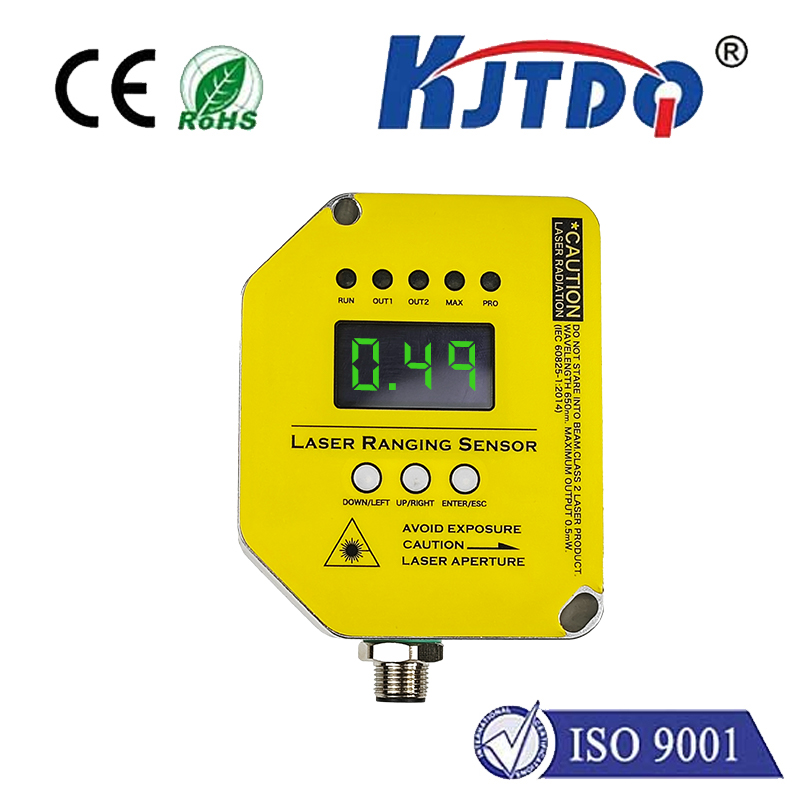
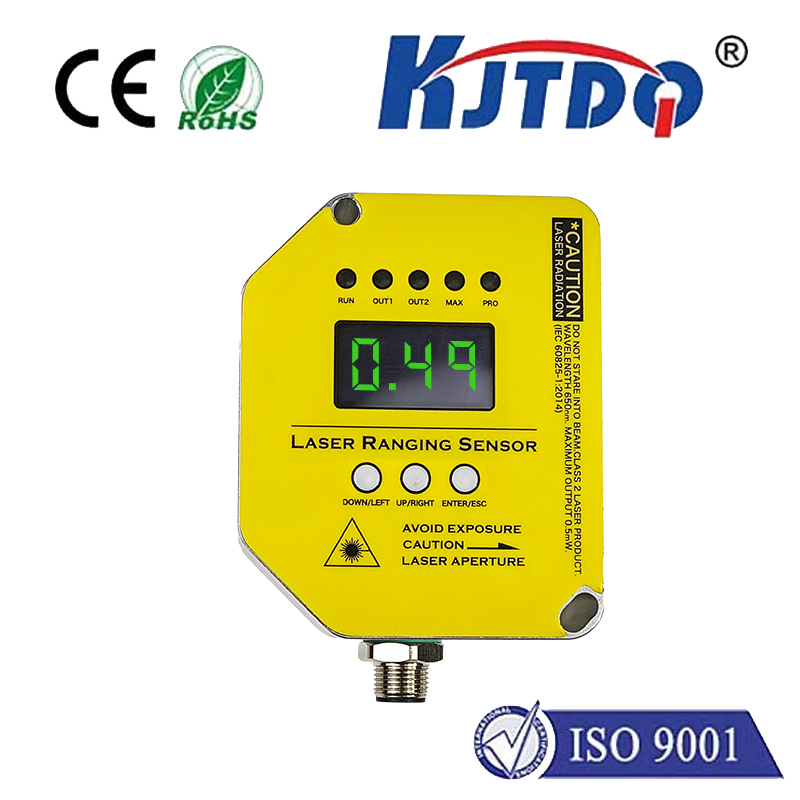
In an era defined by precision, a technology operates silently yet fundamentally, measuring distances with unimaginable accuracy. This is the world of laser ranging, a cornerstone of modern science and industry that extends far beyond simple measurement. At its core, laser ranging, or LiDAR (Light Detection and Ranging) in its more advanced forms, utilizes the constant speed of light to determine the distance to a target. A pulsed laser beam is emitted towards an object, and a sensitive receiver captures the reflected light. By calculating the time it takes for the light to make the round trip, a precise distance is computed. This simple principle powers an astonishing array of applications.
The most visible impact is in the realm of autonomous vehicles. Self-driving cars are equipped with sophisticated laser ranging systems that create real-time, high-definition 3D maps of their surroundings. These "laser eyes" can detect a pedestrian, a cyclist, or a stray shopping cart with centimeter-level accuracy, day or night, forming the critical perception layer for navigation and collision avoidance. This technology is not confined to the road; it is revolutionizing logistics within smart warehouses, where autonomous robots navigate dense aisles with flawless precision, optimizing storage and retrieval processes.
Beyond transportation, laser ranging is a transformative tool for environmental monitoring and earth sciences. Mounted on aircraft or satellites, aerial LiDAR systems can strip away forest canopy to model the ground topography beneath, enabling scientists to track deforestation, measure biomass, and model flood risks with unprecedented detail. Archaeologists use terrestrial laser scanners to preserve crumbling ruins in perfect digital form, while geologists employ them to monitor minute shifts in the landscape, providing early warnings for potential landslides.
The construction and engineering sectors rely heavily on laser rangefinders for tasks demanding exactitude. From ensuring the perfect alignment of massive bridge components to verifying the flatness of a factory floor or guiding robotic arms in precision manufacturing, laser ranging eliminates guesswork. It enhances safety, reduces material waste, and accelerates project timelines. Surveyors have largely replaced traditional theodolites with laser-based total stations, dramatically increasing the speed and accuracy of land surveys.
Even in consumer electronics, the technology has found a home. The camera in your smartphone likely uses a miniature laser rangefinder for lightning-fast autofocus, ensuring sharp portraits and clear low-light photos. Some smart home devices utilize simple laser time-of-flight sensors for gesture control or to map room layouts for optimal audio or climate control.
The future trajectory of laser ranging points towards even greater miniaturization, reduced power consumption, and enhanced data processing through artificial intelligence. As sensor costs continue to fall, we will see its integration into more aspects of daily life and industrial processes. Researchers are pushing the boundaries of its range and resolution, aiming to use laser ranging for space debris tracking or even more detailed planetary mapping.
From guiding robots in factories to mapping ancient forests and enabling the cars of tomorrow, laser ranging acts as an invisible ruler. It provides the fundamental metric of distance with extraordinary fidelity, empowering innovation across countless fields. It is a silent, pervasive force, translating the immutable constant of light's speed into actionable data that builds, protects, and explores our world. This technology does not merely measure space; it actively defines the precision of our modern reality.