check

check

check

check

check

check
In the rapidly evolving landscape of industrial automation and quality control, precision is not merely a goal—it is an absolute necessity. At the heart of this pursuit for accuracy lies a critical component: the industrial laser rangefinder sensor. This technology has transcended its initial applications to become a cornerstone in sectors ranging from automotive assembly and aerospace to logistics and construction. Unlike traditional measurement tools, these sensors offer non-contact, high-speed, and remarkably accurate distance data, fundamentally transforming operational workflows.
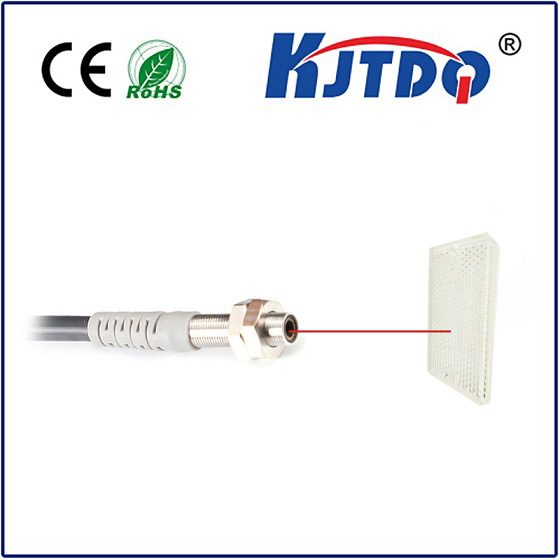
The core principle of an industrial laser rangefinder sensor is based on the time-of-flight (ToF) or phase-shift measurement of a laser beam. A laser diode emits a focused beam towards a target. The sensor then precisely calculates the time it takes for the reflected light to return. This data is processed to determine the exact distance with sub-millimeter accuracy, even over considerable ranges. This method eliminates physical contact, thereby preventing damage to both the sensor and delicate objects, and allows for measurements of hot, moving, or inaccessible surfaces.
The integration of these sensors into production lines has led to substantial gains in efficiency and quality. In robotic guidance systems, for instance, laser rangefinders provide real-time positional feedback, enabling robots to perform intricate tasks like precise part placement, welding, or painting with minimal error margins. In warehouse automation, they are indispensable for inventory management, palletizing, and guiding autonomous mobile robots (AMRs) through dynamic environments, ensuring smooth and collision-free material handling.
Furthermore, in sectors like metallurgy and heavy machinery, these sensors facilitate critical processes such as roll gap measurement, crane positioning, and structural deformation monitoring. Their ability to deliver consistent, reliable data under challenging conditions—including dust, vibration, and variable lighting—makes them exceptionally robust for industrial settings. This reliability directly translates to reduced downtime, lower rejection rates, and optimized resource utilization.
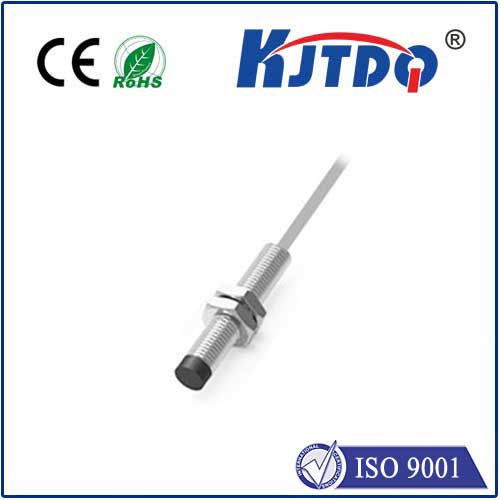
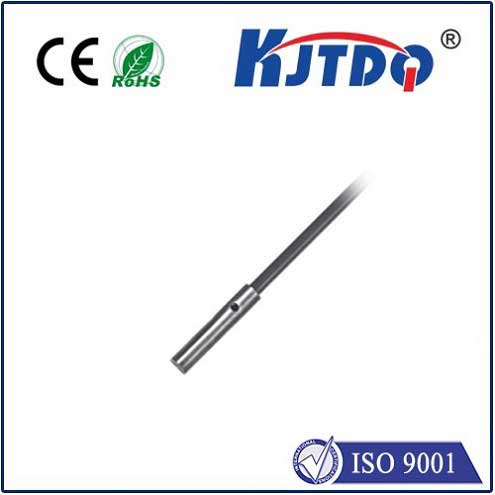
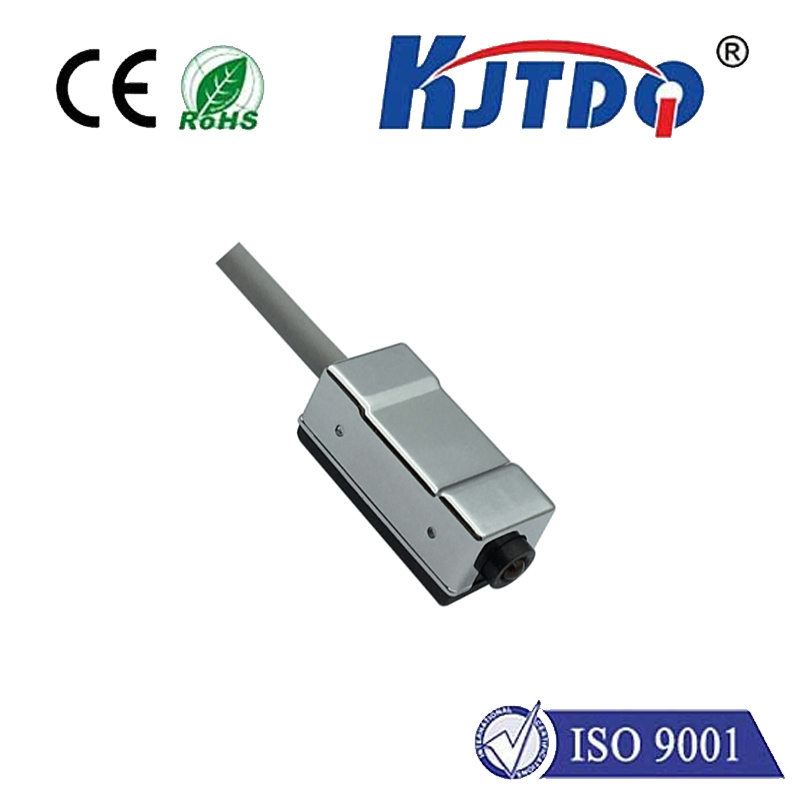
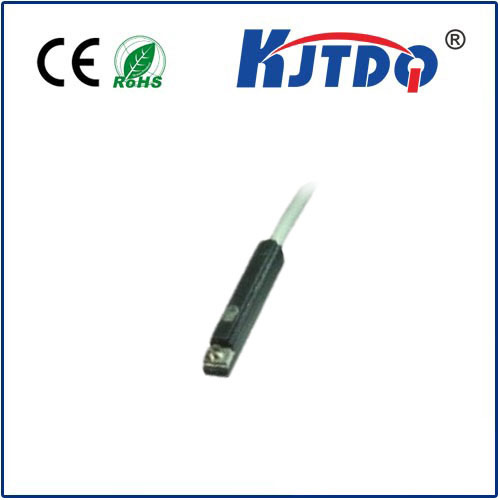
The modern industrial laser rangefinder sensor, such as the KJTDQ series, embodies these advancements. Designed with enhanced signal processing algorithms and robust housings, they maintain accuracy despite environmental interference. Features like Ethernet/IP, PROFINET, or analog outputs allow for seamless integration into existing Industrial Internet of Things (IIoT) networks, enabling centralized data collection and predictive maintenance analytics. This connectivity turns raw distance measurements into actionable intelligence, paving the way for smarter, more adaptive manufacturing ecosystems.
Beyond the factory floor, applications extend to construction site monitoring, ensuring structural alignments are perfect, and to agricultural machinery for automated height control. The versatility of this technology underscores its role as a key enabler of Industry 4.0. By providing a precise digital thread of spatial data, laser rangefinders bridge the gap between the physical and digital worlds, facilitating automation, traceability, and continuous improvement.
Adopting this technology is a strategic move toward future-proofing industrial operations. The initial investment is quickly offset by the long-term benefits of heightened precision, increased throughput, and significant waste reduction. As manufacturing demands grow more complex, the role of the industrial laser rangefinder sensor will only become more pivotal, serving as the silent, unwavering eye that guarantees quality and drives innovation.