check

check

check

check

check

check
In the dynamic landscape of industrial automation, precision, reliability, and adaptability are non-negotiable. The adjustable distance photoelectric switch stands as a pivotal component, bridging the gap between basic detection and intelligent, flexible control. Unlike fixed-range sensors, this advanced device empowers engineers and system integrators with the ability to fine-tune sensing parameters directly in the field, optimizing performance for a vast array of applications without the need for physical replacement or complex recalibration.
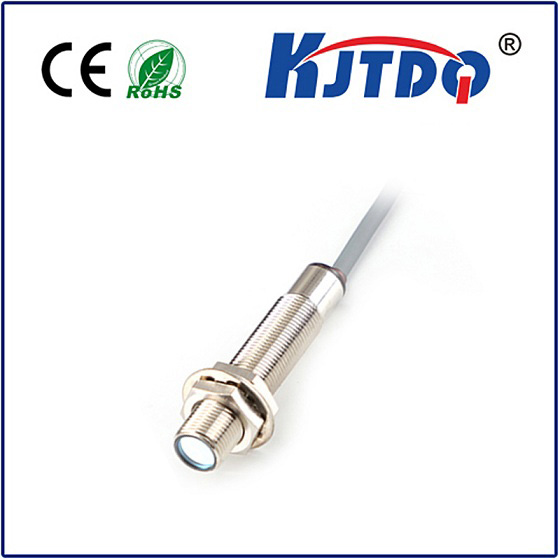
At its core, an adjustable distance photoelectric switch operates on the fundamental principle of light beam transmission and reception. Typically, it consists of an emitter, which projects a light beam—often infrared, red, or laser—and a receiver that detects the presence or interruption of this beam. The key differentiator is the integrated circuitry that allows users to modify the effective sensing range. This is commonly achieved through a potentiometer, digital dial, or even via remote communication protocols. By adjusting a threshold, the sensor's sensitivity is altered, effectively changing the distance at which an object is reliably detected. This capability is crucial in environments where target sizes, colors, or positions may vary, ensuring consistent operation where fixed sensors might fail.
The practical benefits of incorporating adjustable distance photoelectric switches into automated systems are substantial. First and foremost is enhanced operational flexibility. A production line handling products of different sizes can use the same sensor by simply adjusting its range, reducing inventory costs and downtime associated with sensor swaps. This adaptability extends to dealing with varying environmental conditions, such as changes in ambient light or the presence of dust, where fine-tuning sensitivity can maintain detection integrity. Furthermore, these switches contribute to improved precision in positioning and counting tasks. In packaging machinery, for instance, exact detection of package edges is critical for accurate sealing or labeling; an adjustable sensor can be tuned to ignore irrelevant background objects and focus solely on the target, minimizing errors.
Installation and maintenance are also streamlined. Technicians can quickly commission a system by setting the optimal sensing distance on-site, eliminating guesswork and reducing setup time. Troubleshooting becomes more intuitive, as adjustments can be made to diagnose issues related to alignment or target reflectivity. Modern variants often feature clear visual indicators, such as LED signals that show alignment status and detection events, aiding in rapid configuration and health monitoring.
When selecting an adjustable distance photoelectric switch, several technical specifications demand attention. The sensing range, typically listed as a minimum and maximum distance, must align with the application's requirements. The type of output—whether NPN, PNP, analog, or a digital communication interface like IO-Link—should be compatible with the existing control system. Environmental ratings, particularly Ingress Protection (IP) codes for dust and water resistance, are vital for durability in harsh industrial settings. Additionally, consider the response time, which determines how quickly the sensor can react to a detected object, a critical factor in high-speed automation.
Real-world applications are diverse and impactful. In material handling, these sensors accurately detect the presence of boxes on conveyors, regardless of size variations. In automotive assembly, they ensure robotic arms pick and place components at precise distances. They are indispensable in warehouse automation for pallet detection and in food processing for monitoring fill levels through transparent containers. The adjustable feature is especially valuable in prototyping and R&D environments, where processes are frequently modified.
Looking ahead, the integration of smart features is propelling the adjustable photoelectric switch into the era of Industry 4.0. Models with IO-Link capability not only allow parameter adjustment remotely from a control cabinet but also enable the continuous transmission of process data, such as signal strength or internal temperature, for predictive maintenance and deeper process analytics. This transforms the sensor from a simple detection device into a intelligent node within a connected ecosystem.
In conclusion, the adjustable distance photoelectric switch is far more than a mere component; it is a strategic tool for building resilient, efficient, and future-ready automated systems. By offering unparalleled control over detection parameters, it solves complex application challenges, reduces lifecycle costs, and enhances overall system intelligence. For any operation seeking to boost precision and adaptability, integrating these versatile sensors represents a forward-thinking investment in operational excellence.