check

check

check

check

check

check
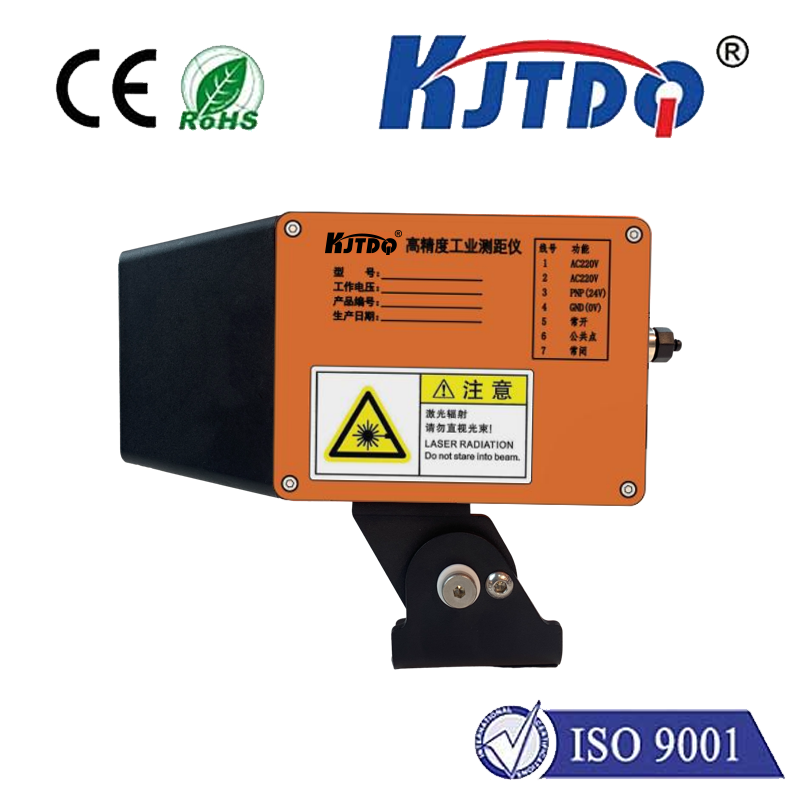
In an era where precision is not just an advantage but a necessity, the Phase Laser Ranging Sensor stands as a cornerstone technology. This sophisticated device operates on a fundamental principle: it emits a modulated laser beam towards a target and analyzes the phase shift of the reflected light. By precisely measuring this shift, it calculates the distance to the target with extraordinary accuracy, often reaching sub-millimeter resolution. Unlike simpler time-of-flight methods, phase detection allows for continuous wave operation, enabling not only high precision but also remarkable stability and resistance to ambient light interference.
The applications of the Phase Laser Ranging Sensor are vast and transformative. In the realm of industrial automation, these sensors are indispensable for robotic guidance, ensuring robotic arms perform intricate assembly tasks with flawless repeatability. They enable precise non-contact measurement in quality control, verifying component dimensions on high-speed production lines where traditional tools would fail. The construction and surveying industries rely on them for high-accuracy distance measurement, 3D scanning, and building information modeling, turning complex architectural plans into tangible structures with minimal error.
Beyond terrestrial applications, this technology is pivotal in cutting-edge fields. Autonomous vehicles use arrays of such sensors, often integrated into LiDAR systems, to create real-time, high-definition maps of their surroundings. This allows for safe navigation by detecting pedestrians, vehicles, and obstacles with incredible detail. In aerospace, phase laser rangefinders assist in docking procedures for spacecraft and are used in satellite altimetry to measure the topography of Earth and other celestial bodies. Even in consumer electronics, the principles are being miniaturized for features like enhanced autofocus in smartphone cameras and gesture recognition.
The core advantages of the Phase Laser Ranging Sensor are its blend of high precision, long range capability, and operational robustness. Its ability to maintain accuracy over distances from a few centimeters to several kilometers makes it uniquely versatile. Furthermore, advancements in laser diode technology and signal processing algorithms have made these sensors more compact, energy-efficient, and cost-effective than ever before. This democratization of precision sensing is opening doors for small and medium-sized enterprises to innovate.
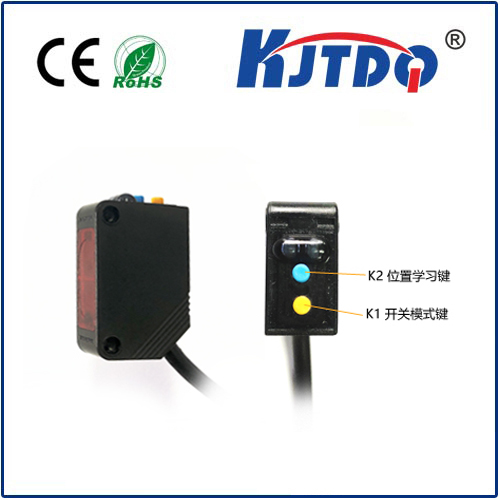
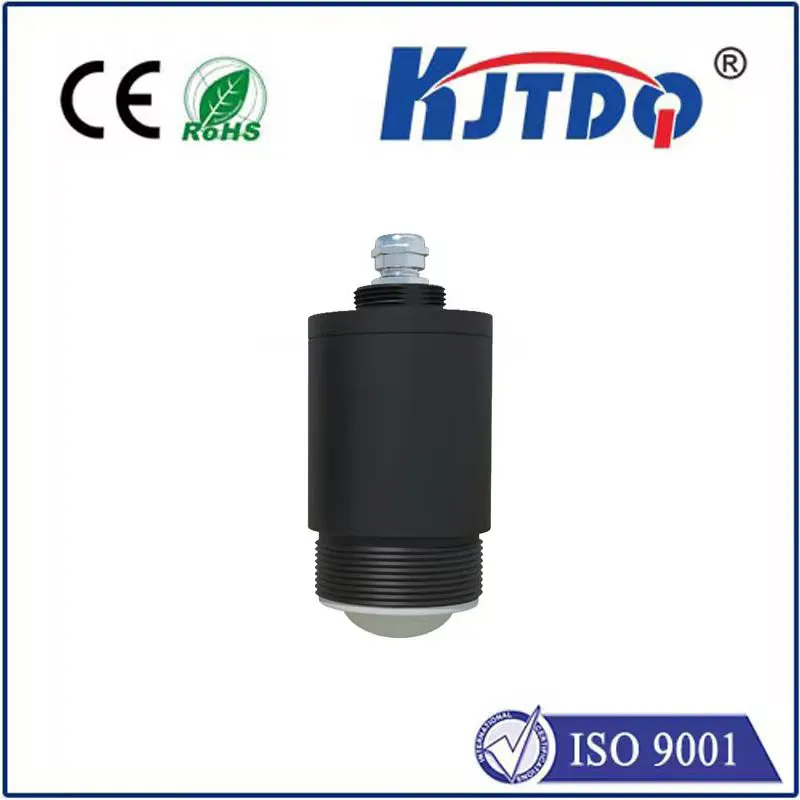
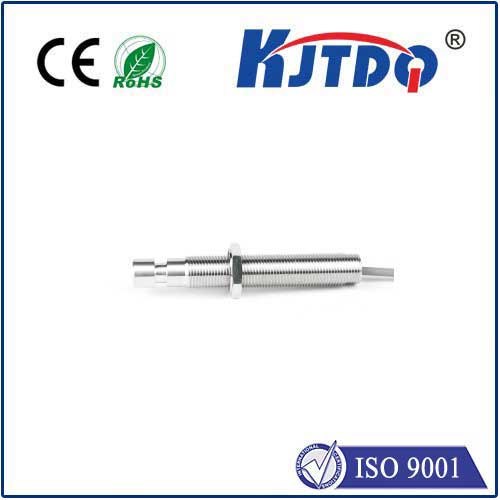
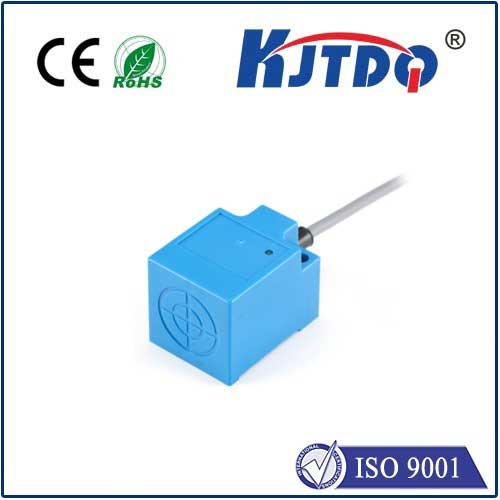
Implementing this technology, however, requires careful consideration. Factors such as the target surface's reflectivity, atmospheric conditions (for long-range outdoor use), and the required measurement speed must be evaluated. Modern sensors come with sophisticated firmware that can compensate for many of these variables, but understanding the operational environment is key to selecting the right model. The KJTDQ series, for instance, represents a new generation of these sensors, incorporating adaptive algorithms and robust housing designed for challenging industrial environments.
Looking ahead, the future of Phase Laser Ranging Sensors is intertwined with the growth of the Internet of Things (IoT) and smart infrastructure. As cities and industries become more connected, the demand for reliable, precise spatial data will skyrocket. These sensors will form the sensory layer for smart grids, precision agriculture, and advanced security systems. Continuous research is focused on increasing measurement speed, reducing power consumption further, and integrating artificial intelligence directly at the sensor level for edge computing, enabling real-time decision-making without latency.
In conclusion, the Phase Laser Ranging Sensor is far more than a simple measuring tool. It is an enabling technology that drives progress across multiple disciplines. From the factory floor to the open road and into outer space, its role in enhancing automation, safety, and efficiency is undeniable. As technology continues to evolve towards greater autonomy and intelligence, the precise, reliable data provided by these sensors will remain a critical component, solidifying their position as a key to unlocking the next level of technological achievement.