check

check

check

check

check

check
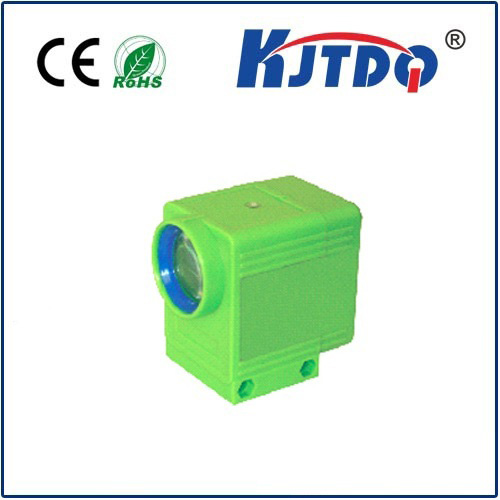
In the rapidly evolving landscape of industrial automation, precision, reliability, and extended operational reach are paramount. The long-range photoelectric switch stands as a critical component in this ecosystem, enabling non-contact detection and control over considerable distances. Unlike standard proximity sensors, these advanced devices utilize modulated infrared light beams, allowing them to function effectively in challenging environments where dust, minor obstructions, or variable ambient light might interfere with traditional sensors.
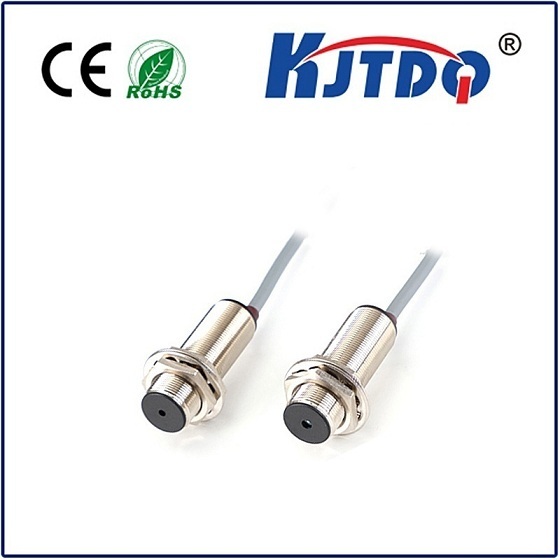
The core technology behind a long-range photoelectric switch involves a transmitter that emits a focused beam of light and a receiver that detects it. When an object interrupts this beam, the receiver triggers a switching action. The "long-range" capability, often extending from several meters to over a hundred meters, is achieved through high-power LED or laser diode emitters and sensitive, noise-filtering receiver circuits. This extended sensing distance opens up applications previously requiring more complex or less reliable solutions. For instance, in large warehouse management, these switches can monitor the position of cranes on gantries or detect the presence of pallets on lengthy conveyor systems without the need for multiple intermediate sensors.
Durability is another hallmark of modern long-range photoelectric sensors. Manufacturers encase them in robust, often IP67-rated housings that protect against water, oil, and physical impact. This rugged construction ensures consistent performance in outdoor settings, heavy machinery zones, and automated storage and retrieval systems (AS/RS). The ability to maintain a stable signal over long distances, even in the presence of vibration or temperature fluctuations, significantly reduces maintenance downtime and enhances overall system reliability.
Integration into modern control systems is seamless. Many long-range photoelectric switches offer programmable logic, various output options (like NPN, PNP, or relay), and connectivity through standard industrial protocols. This flexibility allows engineers to tailor the sensor's behavior—such as setting a specific time delay or choosing between light-on or dark-on operation—directly on the device or via a connected PLC. This programmability simplifies system design and troubleshooting, contributing to faster deployment and easier scalability of automated processes.
A key application area is in traffic and vehicle management systems. Here, long-range photoelectric switches reliably detect vehicles at toll booths, control barrier gates in parking facilities, and monitor queue lengths. Their immunity to environmental factors like rain, fog, or car headlights makes them superior to simpler sensors. In the packaging industry, they ensure precise counting and positioning of products on high-speed lines, where accuracy over a distance is crucial for efficient operation.
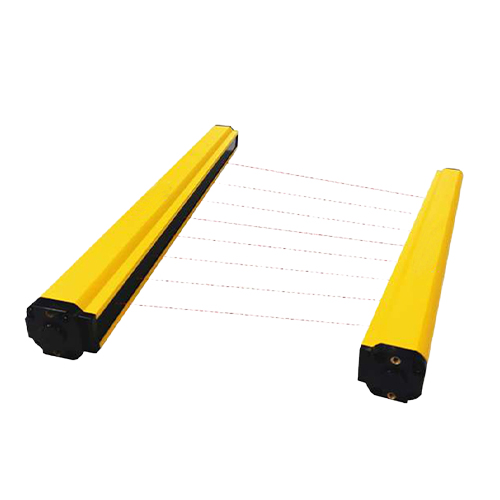
Safety systems also benefit greatly. These switches can create invisible safety curtains or perimeter guards around hazardous machinery. If the beam is broken, the machinery can be instantly stopped, preventing accidents. The long-range feature allows for protecting large areas with fewer devices, optimizing cost and installation complexity.
Selecting the right long-range photoelectric switch requires careful consideration of the specific application. Factors such as the required sensing distance, the size and material of the target object, environmental conditions (presence of steam, dust, or extreme temperatures), and the necessary response speed must all be evaluated. Consulting with technical specialists or sensor manufacturers is often advisable to match the precise sensor specifications to the operational demands.
In conclusion, the long-range photoelectric switch is more than just a sensor; it is an enabler of smarter, safer, and more efficient industrial automation. By providing reliable long-distance object detection, it solves complex logistical challenges, reduces system costs through consolidation, and pushes the boundaries of what automated systems can achieve. As industries continue to strive for greater efficiency and connectivity, the role of these robust and intelligent sensing solutions will only become more central to operational success.