check

check

check

check

check

check
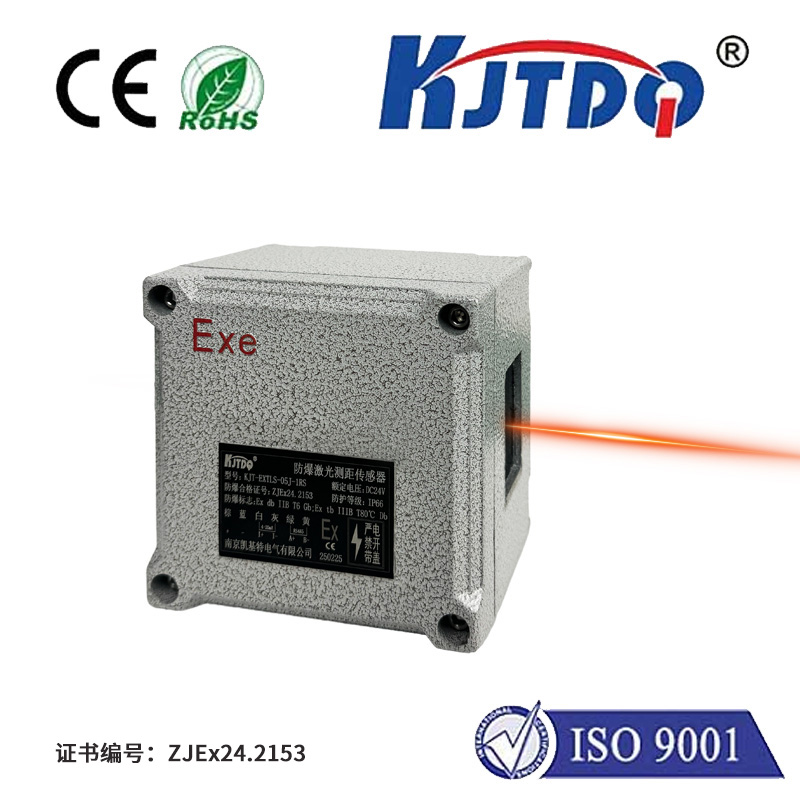
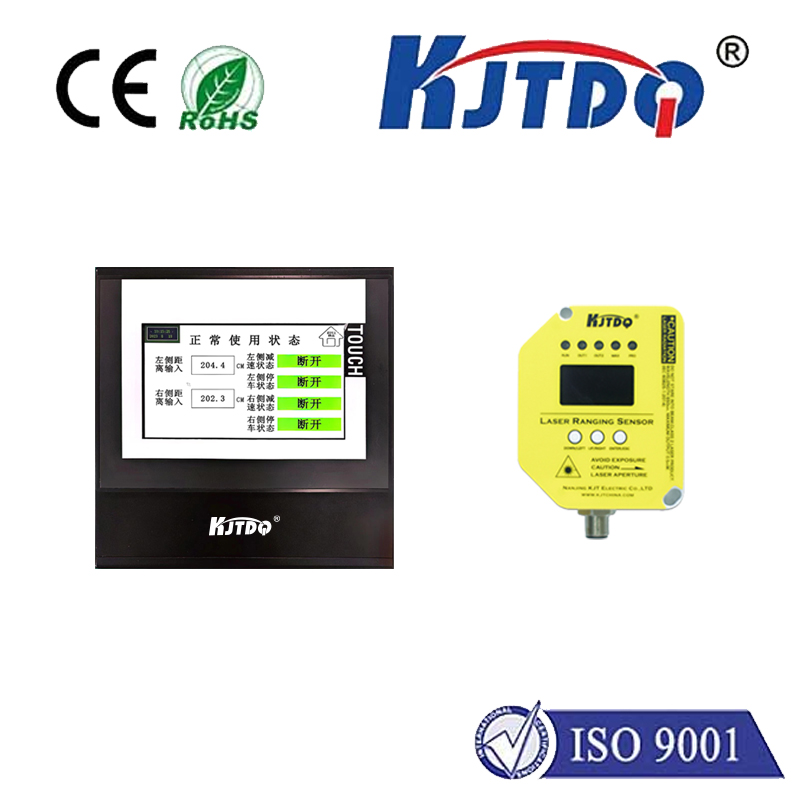
In the rapidly evolving landscape of industrial automation, robotics, and smart systems, the ability to measure distance with unwavering accuracy is not just an advantage—it's a necessity. Enter the TOF400F Laser Rangefinder Sensor, a cutting-edge device that is redefining the benchmarks for precision, reliability, and integration ease in non-contact distance measurement. This comprehensive guide delves into the core technology, standout features, and transformative applications of this powerful sensor.
At its heart, the TOF400F utilizes Time-of-Flight (ToF) technology. Unlike traditional methods that rely on triangulation or phase-shift analysis for shorter ranges, ToF measures the time it takes for a modulated laser pulse to travel to a target and back to the sensor. By knowing the constant speed of light, the sensor calculates the distance with exceptional accuracy. The TOF400F excels in this domain, offering a remarkable measuring range from a few centimeters up to 4 meters, with millimeter-level precision. This makes it incredibly versatile for tasks requiring both close-proximity detail and mid-range scanning.
What truly sets the TOF400F apart are its engineered features designed for real-world challenges. It boasts a high sampling rate, allowing for the detection of fast-moving objects without lag, which is critical for dynamic environments like conveyor belts or robotic arms. Its compact and robust housing ensures durability in harsh industrial settings, resisting dust, vibrations, and minor impacts. Furthermore, the sensor incorporates advanced ambient light suppression algorithms. This means its performance remains stable and reliable even under strong sunlight or in the presence of other light sources, a common pitfall for lesser optical sensors.
Integration is seamless. The TOF400F typically communicates via standard digital interfaces like UART or I2C, providing plug-and-play compatibility with popular microcontrollers, single-board computers (like Raspberry Pi), and industrial PLCs. This eliminates complex wiring and programming hurdles, allowing engineers and developers to focus on application logic rather than driver development. Many models also offer configurable parameters, such as output data rate and filtering options, giving users fine-grained control to optimize performance for their specific use case.
The applications for the TOF400F are as diverse as they are impactful. In robotics, it serves as a crucial component for obstacle avoidance, navigation, and spatial mapping, enabling autonomous mobile robots (AMRs) and drones to operate safely in unstructured environments. On production lines, it facilitates precise object positioning, height profiling, and bin level detection, enhancing quality control and automation efficiency. In logistics, it can be used for palletizing, dimensioning packages, and guiding automated guided vehicles (AGVs). Beyond industry, it finds use in interactive installations, smart agriculture for crop monitoring, and even in research and development projects requiring precise spatial data.
Choosing the right sensor often comes down to comparing key specifications. When evaluated against ultrasonic sensors, the TOF400F offers superior accuracy, a smaller beam spot for targeted measurement, and immunity to factors like temperature and humidity that affect sound waves. Compared to other laser sensors using different principles, its ToF technology provides a better balance of long range, high speed, and consistent performance across varying surface colors and materials, though highly reflective or absorbent surfaces may require calibration.
For developers and integrators looking to harness its potential, best practices include ensuring a stable power supply, mounting the sensor securely to minimize vibration, and considering the target's surface properties during initial testing. Regular lens cleaning is recommended to maintain optimal performance. The growing ecosystem around sensors like the TOF400F, supported by detailed datasheets, SDKs, and active community forums, makes implementation more accessible than ever.
In conclusion, the TOF400F Laser Rangefinder Sensor represents a significant leap forward in accessible, high-performance distance sensing. By combining robust ToF technology with user-centric design, it empowers innovators across industries to build smarter, more precise, and more autonomous systems. Whether you are automating a factory floor, building the next generation of service robots, or creating an interactive art piece, the TOF400F provides the reliable, accurate data foundation necessary to turn visionary ideas into operational reality.