check

check

check

check

check

check
In today's rapidly advancing technological landscape, the demand for precise, reliable, and flexible measurement solutions has never been greater. Enter the wireless laser sensor, a groundbreaking innovation that is transforming how industries collect and analyze data. This technology represents a significant leap forward from traditional wired sensors, offering unparalleled freedom and efficiency in various applications.
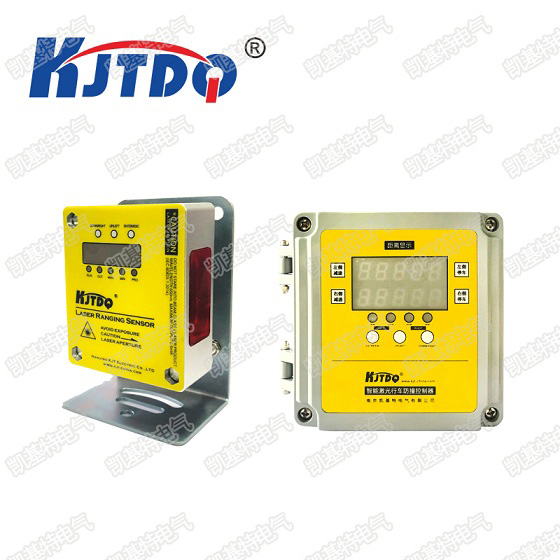
At its core, a wireless laser sensor operates by emitting a focused beam of light to detect the presence, absence, or specific characteristics of a target object. The key differentiator lies in its wireless communication capability, typically utilizing robust protocols like LoRaWAN, Zigbee, or proprietary industrial wireless networks. This eliminates the need for complex and costly cable installations, which are often prone to damage, signal degradation, and logistical constraints in dynamic or expansive environments. The sensor measures parameters such as distance, displacement, vibration, or thickness with high accuracy, transmitting this data seamlessly to a central hub or cloud platform for real-time monitoring and analysis.
The advantages of integrating wireless laser sensors into operational frameworks are substantial. First and foremost is the dramatic reduction in installation and maintenance costs. Without physical cables, deployment becomes faster, simpler, and less invasive, especially in hard-to-reach areas, rotating machinery, or mobile equipment. This flexibility allows for scalable sensor networks that can be easily reconfigured as needs change. Furthermore, wireless systems enhance safety by removing trip hazards and enabling monitoring in hazardous or explosive atmospheres where wiring is impractical or dangerous.
Data integrity and reliability are paramount, and modern wireless laser sensors are engineered to excel in these areas. They incorporate advanced features such as error-checking algorithms, secure data encryption, and robust housings rated for IP67 or higher, ensuring performance in harsh conditions involving dust, moisture, and extreme temperatures. Battery life is a critical consideration, and many models now boast ultra-low power consumption, enabling years of operation on a single battery charge, which is ideal for remote or inaccessible locations.
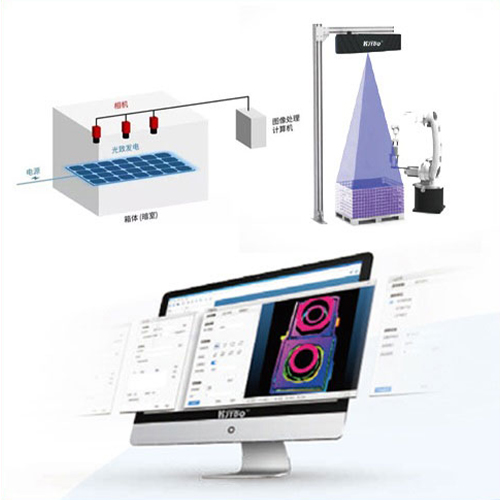
The practical applications of this technology span a diverse range of sectors. In manufacturing and industrial automation, wireless laser sensors are indispensable for precision alignment, robotic guidance, quality control on conveyor belts, and predictive maintenance by monitoring equipment vibration. In the realm of structural health monitoring, they are deployed on bridges, wind turbines, and historical buildings to detect minute deformations or shifts, providing early warnings for necessary interventions. The logistics and warehousing industry utilizes them for inventory management, pallet positioning, and automated guided vehicle (AGV) navigation. Even in agriculture, these sensors assist in monitoring crop growth and automated machinery operations.
Looking ahead, the convergence of wireless laser sensing with the Internet of Things (IoT) and Artificial Intelligence (AI) is unlocking even greater potential. Dense networks of these sensors can feed vast amounts of data into AI-driven analytics platforms, enabling predictive insights, automated decision-making, and the optimization of entire systems. This paves the way for smarter factories, more resilient infrastructure, and highly efficient supply chains.
In conclusion, the wireless laser sensor is far more than a simple tool; it is a foundational component of the Industry 4.0 revolution. By delivering high-precision measurements without the constraints of wires, it empowers businesses to achieve new levels of operational intelligence, safety, and cost-effectiveness. As the technology continues to evolve with improvements in range, accuracy, and energy efficiency, its adoption is set to become ubiquitous, solidifying its role as a critical enabler for the connected, data-driven world of tomorrow. Organizations seeking to modernize their measurement and monitoring capabilities would do well to explore the transformative potential of wireless laser sensor solutions.