check

check

check

check

check

check
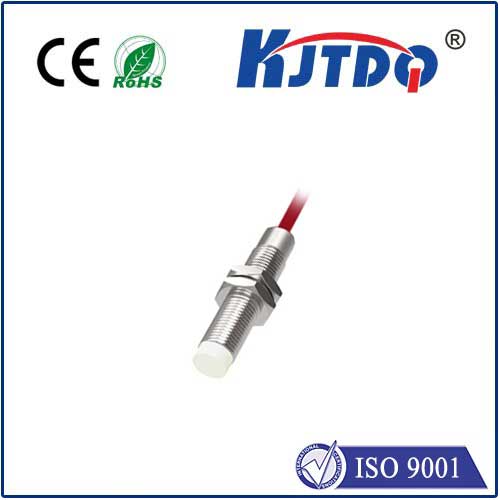
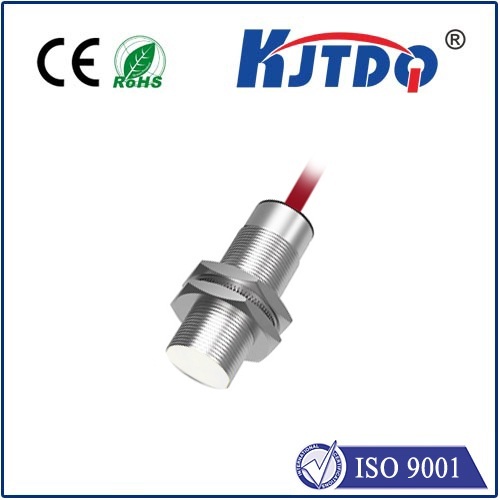
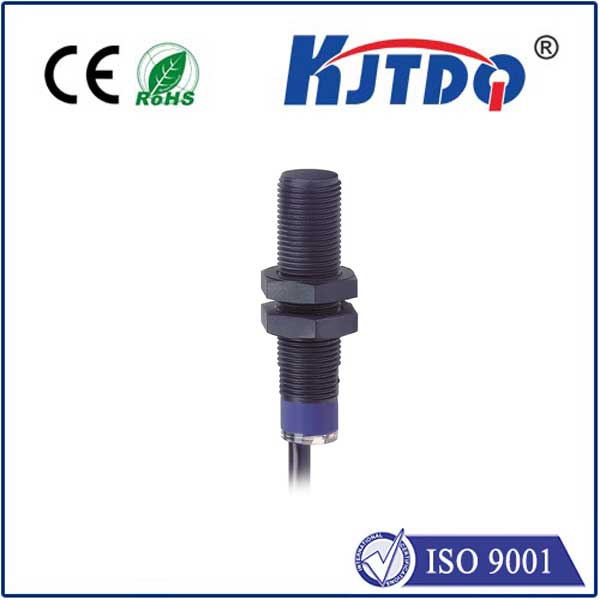
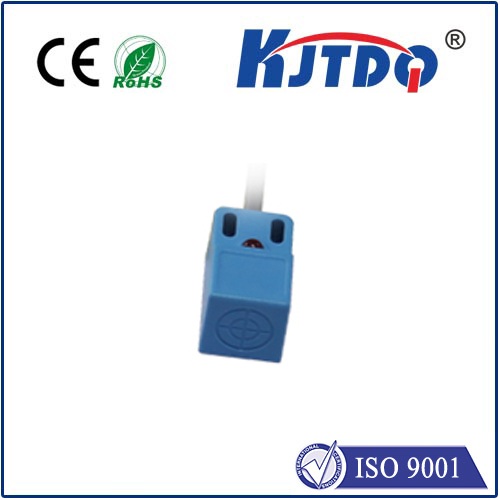
In the rapidly evolving landscape of industrial automation and robotics, the demand for reliable, high-precision distance measurement solutions has never been greater. Among the various technologies available, the inductive rangefinder sensor stands out as a robust and versatile option, particularly in challenging environments where other sensors might falter. This technology operates on the principle of electromagnetic induction, detecting the presence and distance of metallic objects without physical contact. Unlike optical or ultrasonic sensors, inductive sensors are largely immune to environmental factors such as dust, moisture, oil, or ambient light interference, making them ideal for harsh manufacturing settings, automotive assembly lines, and heavy machinery applications.
The core mechanism involves a coil generating an alternating electromagnetic field. When a metallic target enters this field, eddy currents are induced in the target, altering the coil's impedance. The sensor's electronics analyze this change to determine the precise distance to the object. This non-contact measurement ensures minimal wear and tear, leading to extended operational lifespans and reduced maintenance costs. Modern inductive rangefinder sensors offer impressive accuracy, often within micrometer ranges, and high repeatability, which is critical for quality control processes like part positioning, thickness monitoring, and fill level detection in containers.
One of the key advantages is their ability to function effectively with various metals, including steel, aluminum, and copper, though sensitivity may vary based on material properties. Advanced models now incorporate digital interfaces and smart features, such as IO-Link connectivity, enabling real-time data transmission, remote configuration, and integration into Industry 4.0 frameworks. This facilitates predictive maintenance and adaptive control systems, where sensors provide continuous feedback to adjust machinery parameters dynamically, optimizing production efficiency and minimizing downtime.
In practical applications, inductive rangefinder sensors are indispensable in automated guided vehicles (AGVs) for obstacle detection, in CNC machines for tool wear compensation, and in packaging lines for ensuring consistent product placement. Their durability in extreme temperatures and resistance to vibration further broaden their usability in sectors like aerospace, where precision under stress is paramount. When selecting an inductive rangefinder sensor, factors such as measuring range, response time, temperature stability, and output type (analog or digital) should be carefully considered to match specific operational needs.
As industries push toward greater automation and smarter factories, the inductive rangefinder sensor continues to evolve, with ongoing research focusing on enhancing resolution, reducing size, and improving energy efficiency. By delivering dependable, contactless distance measurement, these sensors not only boost productivity but also contribute to safer and more sustainable industrial practices. For engineers and system integrators, understanding the capabilities and limitations of this technology is essential for designing resilient and future-proof automation solutions that meet the rigorous demands of modern manufacturing.