check

check

check

check
check
check
check
check

check

check
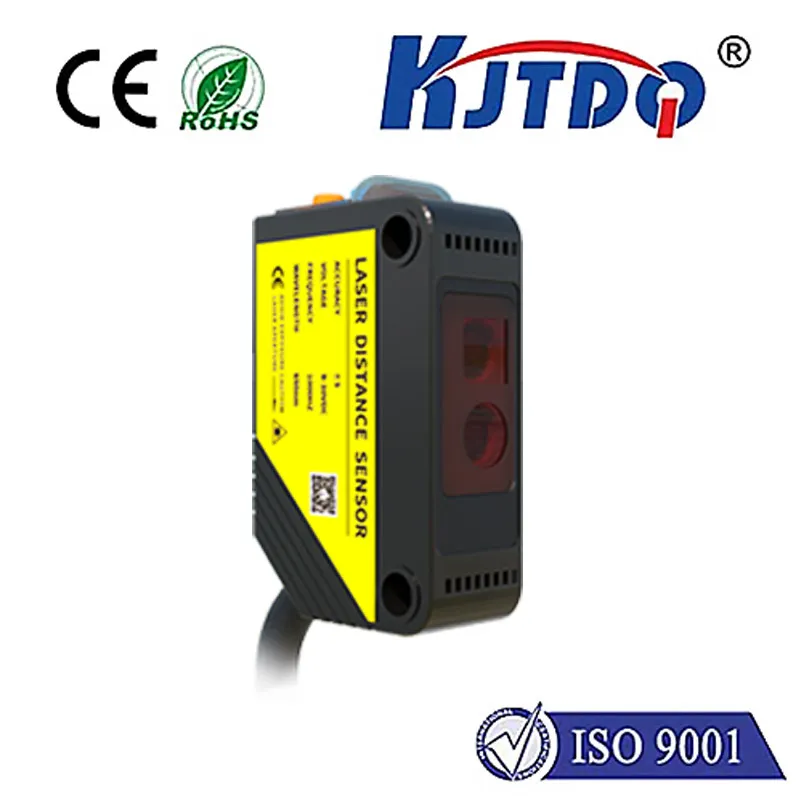
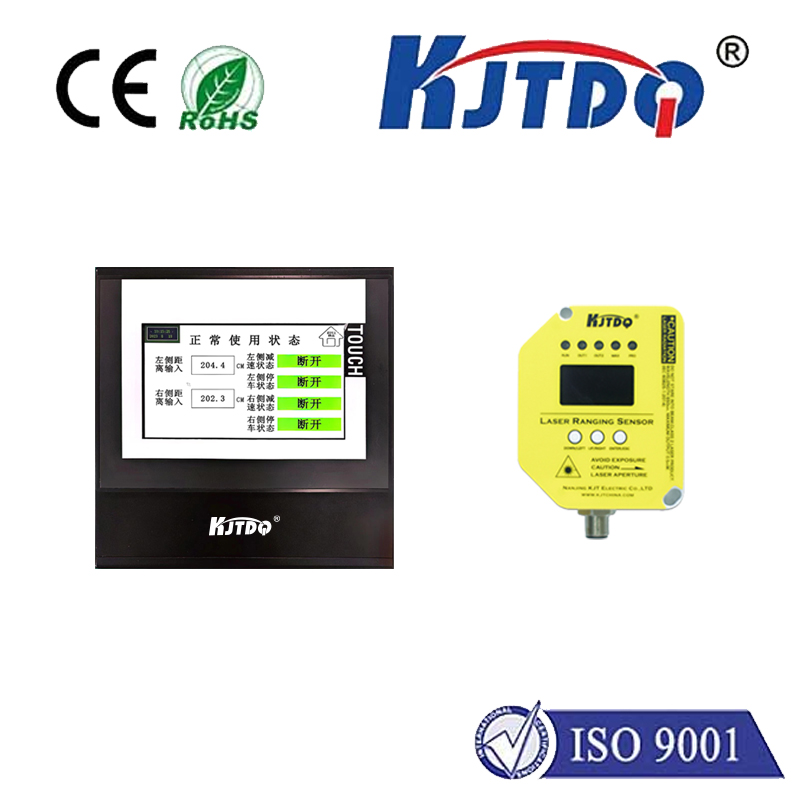
In the world of modern technology, precision measurement is a cornerstone of innovation across industries. Among the tools that have revolutionized this field, the laser rangefinder radar sensor stands out as a pivotal device. Combining the accuracy of laser technology with the robustness of radar systems, this sensor offers unparalleled capabilities for distance measurement, object detection, and environmental mapping. Whether in autonomous vehicles, industrial automation, or security systems, its applications are vast and transformative.
Laser rangefinder radar sensors operate by emitting laser beams and analyzing the reflected signals to calculate distances with high precision. Unlike traditional methods, they provide real-time data with minimal error margins, often within millimeters. This makes them ideal for scenarios where exact measurements are critical, such as in construction site planning, where they ensure structures are built to specification, or in forestry, where they help assess tree heights and densities without physical contact. The integration of radar elements enhances their performance in adverse conditions like fog, rain, or low visibility, allowing reliable operation where other sensors might fail.
One of the key advantages of these sensors is their versatility. In the automotive sector, they are integral to advanced driver-assistance systems (ADAS), enabling features like adaptive cruise control and collision avoidance by continuously monitoring the vehicle's surroundings. For robotics, they facilitate navigation and obstacle detection in dynamic environments, from warehouse logistics to agricultural drones that optimize crop management. Additionally, in defense and security, laser rangefinder radar sensors are used for surveillance and targeting, offering enhanced accuracy over long ranges.
The technology behind these sensors has evolved significantly, with improvements in power efficiency, size reduction, and data processing speeds. Modern versions incorporate artificial intelligence algorithms to interpret sensor data, leading to smarter decision-making in automated systems. For instance, in smart cities, they contribute to traffic management by monitoring vehicle flow and pedestrian movements, reducing congestion and improving safety. Environmental monitoring also benefits, as sensors can track changes in landscapes or water levels, aiding in disaster prevention efforts.
Despite their advanced capabilities, users should consider factors like cost, calibration needs, and environmental limitations when deploying laser rangefinder radar sensors. Regular maintenance ensures longevity, while proper installation avoids interference from external sources like sunlight or reflective surfaces. As research continues, future developments may include enhanced miniaturization for wearable tech or integration with IoT networks for broader connectivity.
In summary, the laser rangefinder radar sensor represents a fusion of cutting-edge technologies that drive efficiency and accuracy in numerous fields. Its ability to deliver precise measurements under challenging conditions makes it a valuable asset for professionals seeking reliable solutions. By understanding its principles and applications, industries can harness its potential to innovate and solve complex measurement challenges, paving the way for smarter, safer, and more sustainable practices.