check

check

check

check

check

check
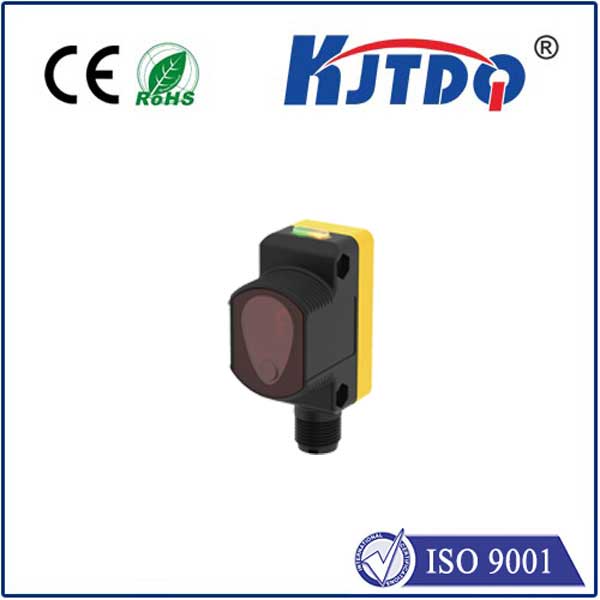
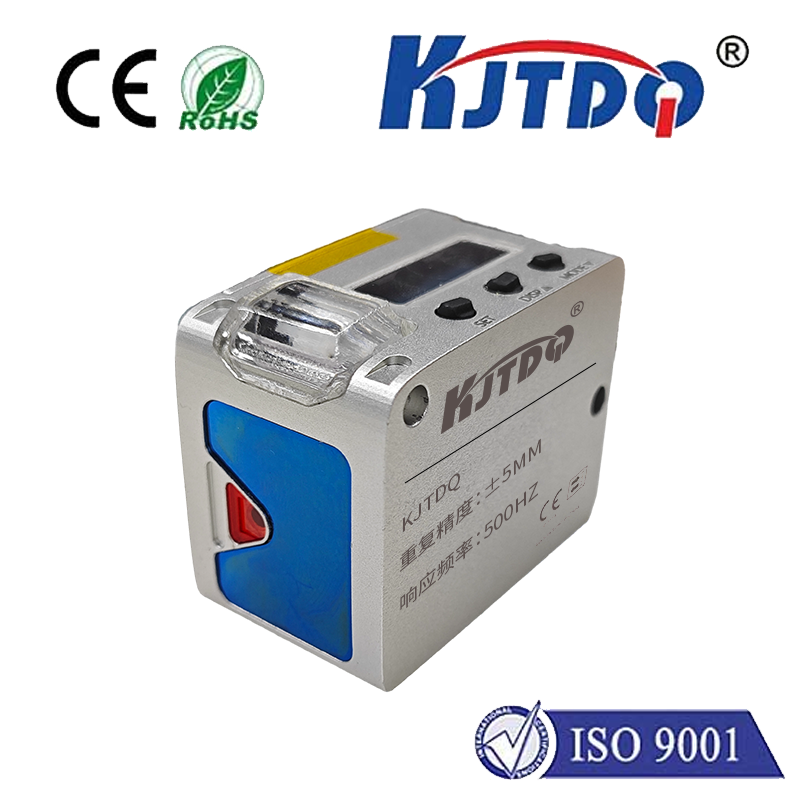
In today's fast-paced industrial and technological landscape, the demand for accurate, reliable, and efficient measurement solutions has never been greater. Enter the laser distance sensor, a pivotal tool that has transformed how professionals across various sectors capture spatial data. Unlike traditional measurement methods that rely on physical contact or rudimentary optics, laser distance sensors employ advanced time-of-flight or phase-shift principles to deliver non-contact, high-precision readings. This technology projects a focused laser beam onto a target surface. The sensor then calculates the distance by measuring the time it takes for the light to reflect back or by analyzing the phase shift of the modulated beam. The result is millimeter-level accuracy over significant ranges, often extending to hundreds of meters, all achieved in a fraction of a second.
The applications for laser distance sensors are vast and continually expanding. In the construction industry, they are indispensable for surveying land, monitoring structural deformations, and ensuring alignment during building processes. Manufacturing lines utilize these sensors for precise positioning of robotic arms, quality control inspections to verify component dimensions, and inventory management by measuring stockpile volumes in warehouses. The logistics sector benefits from automated dimensioning systems that quickly calculate package sizes for optimal shipping. Furthermore, in emerging fields like autonomous vehicles and drones, laser distance sensors, often integrated into LiDAR systems, are crucial for obstacle detection, navigation, and creating detailed environmental maps. Their ability to function in diverse lighting conditions and with various surface materials adds to their versatility.
When selecting a laser distance sensor, several key specifications demand attention. Measurement range defines the minimum and maximum distances the device can accurately cover. Accuracy and resolution indicate the smallest detectable distance change and the reliability of the reading. The response time determines how quickly the sensor can take and output a measurement, which is critical for high-speed applications. Environmental factors such as operating temperature, ingress protection (IP) rating against dust and water, and resistance to vibrations or electromagnetic interference are vital for industrial durability. Modern sensors also offer various output interfaces like analog voltage, current loops, RS232, RS485, or Ethernet, allowing for seamless integration into existing control systems and data networks.
The advantages of implementing laser distance sensors are compelling. The non-contact nature eliminates wear and tear on both the sensor and the target object, ensuring long-term stability and reducing maintenance costs. High-speed measurement capabilities dramatically increase throughput in automated processes. Exceptional accuracy minimizes material waste and rework, leading to significant cost savings and enhanced product quality. Their compact design and ease of installation make them suitable for integration into space-constrained machinery. As the technology advances, we are seeing trends toward even smaller form factors, lower power consumption, enhanced connectivity with Industrial Internet of Things (IIoT) platforms, and smarter sensors with built-in data processing for edge computing.
For businesses looking to gain a competitive edge through precision, the laser distance sensor is no longer a luxury but a necessity. It provides a foundational layer of accurate data that drives automation, improves safety, and optimizes operational efficiency. From ensuring a bridge is built to exact specifications to guaranteeing a robot places a component perfectly on an assembly line, this technology is at the heart of modern engineering and innovation. Choosing the right sensor partner, one that offers robust products, comprehensive technical support, and deep application knowledge, is the first step toward unlocking these transformative benefits and building a more precise, productive, and automated future.