check

check

check

check

check

check
In today's fast-paced industrial and technological landscape, the demand for accurate, reliable, and efficient distance measurement tools has never been greater. Among the myriad of solutions available, the online laser rangefinder sensor stands out as a cornerstone of modern precision engineering. This technology, which allows for non-contact measurement over considerable distances, is revolutionizing how industries from construction and surveying to robotics and logistics operate.
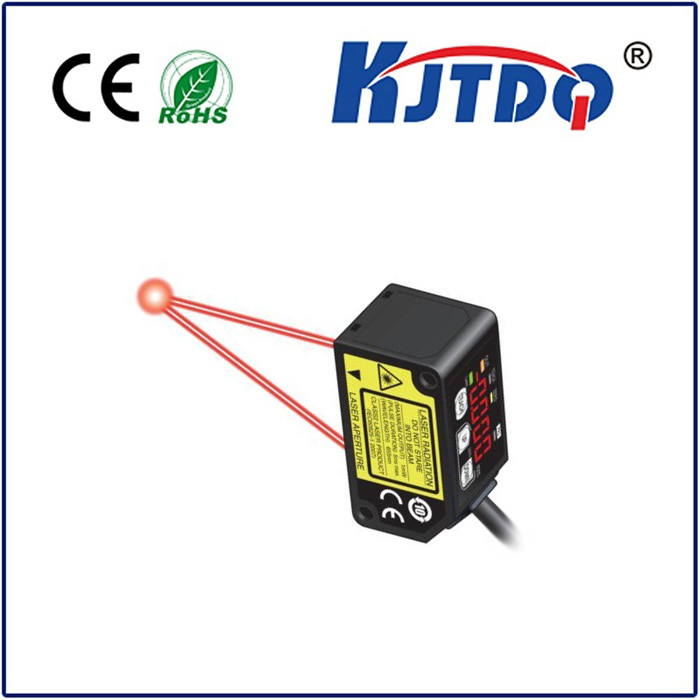
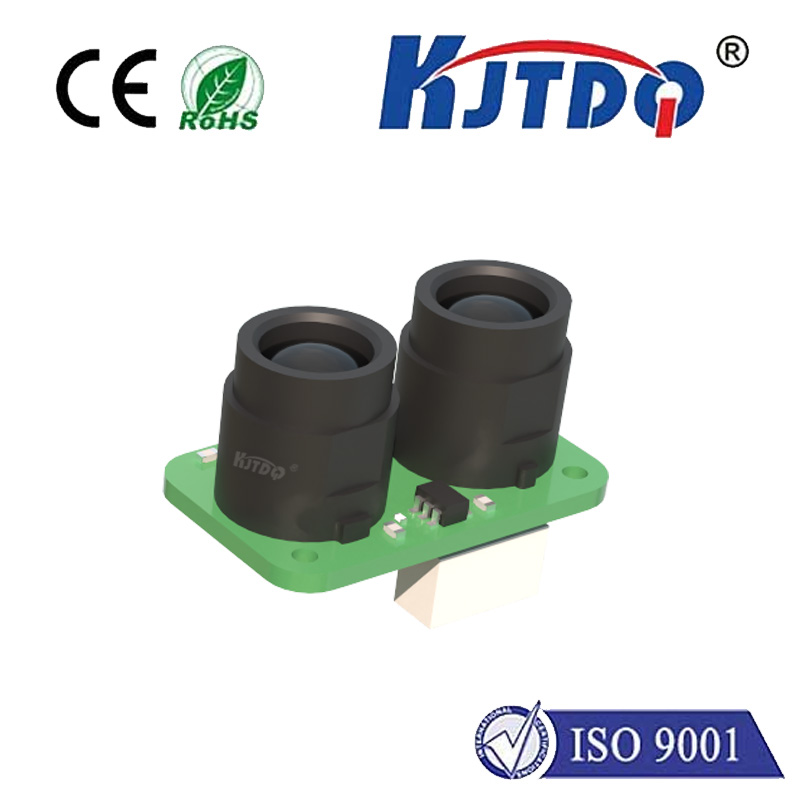
An online laser rangefinder sensor operates on a straightforward yet sophisticated principle. It emits a focused laser beam towards a target. The sensor then calculates the distance by measuring the time it takes for the beam to reflect back to the sensor, a method known as time-of-flight. Alternatively, some advanced models use phase-shift analysis for even higher accuracy over shorter ranges. The term "online" signifies its capability for continuous, real-time data transmission and integration into larger digital systems, such as automated control networks, IoT platforms, or central monitoring software. This connectivity is what transforms a simple measuring device into a smart, interactive component of a digital workflow.
The applications of these sensors are vast and varied. In industrial automation, they are indispensable for tasks like positioning robotic arms, monitoring material levels in silos, or ensuring precise alignment on assembly lines. The construction sector relies on them for site surveys, monitoring structural deformations, and guiding heavy machinery with pinpoint accuracy. In the burgeoning field of autonomous vehicles and drones, online laser rangefinders provide critical environmental perception data for navigation and obstacle avoidance. Their speed and precision enable systems to make split-second decisions based on accurate spatial information.
Choosing the right online laser rangefinder sensor requires careful consideration of several key specifications. Measurement range is paramount; sensors can vary from a few centimeters to several hundred meters. Accuracy and resolution determine the smallest detectable distance change, which is crucial for high-precision tasks. The response time, or how quickly the sensor can take and transmit a measurement, is vital for dynamic, real-time applications. Environmental robustness is another critical factor. Industrial-grade sensors are often built to withstand harsh conditions, featuring high Ingress Protection (IP) ratings against dust and water, and operational stability across a wide temperature range. Finally, the compatibility of the output interface—whether analog, digital (like RS-232, USB), or network-based (like Ethernet/IP or PROFINET)—determines how seamlessly it will integrate into your existing setup.
The integration of these sensors into the Internet of Things (IoT) ecosystem represents the next frontier. By connecting an online laser rangefinder to cloud-based analytics platforms, businesses can move beyond simple measurement to predictive maintenance, trend analysis, and system-wide optimization. For instance, data from multiple sensors monitoring a warehouse's inventory can be aggregated to optimize storage space and retrieval routes in real-time. This level of smart connectivity not only boosts efficiency but also unlocks new possibilities for automation and data-driven decision-making.
Despite their advantages, users must be aware of certain operational considerations. The performance of a laser rangefinder can be affected by environmental factors such as intense ambient light, heavy rain, fog, or highly reflective surfaces. Understanding these limitations and selecting a sensor with appropriate filtering and compensation technologies is essential. Furthermore, regular calibration and maintenance are necessary to ensure long-term accuracy and reliability.
In conclusion, the online laser rangefinder sensor is more than just a tool for measuring distance. It is a critical enabler of automation, quality control, and digital transformation across countless industries. Its ability to deliver precise, real-time data directly into digital networks makes it a fundamental component of modern smart systems. As technology continues to advance, we can expect these sensors to become even more accurate, robust, and intelligent, further solidifying their role as an indispensable asset for any operation that values precision, efficiency, and connectivity.