check

check

check

check

check

check
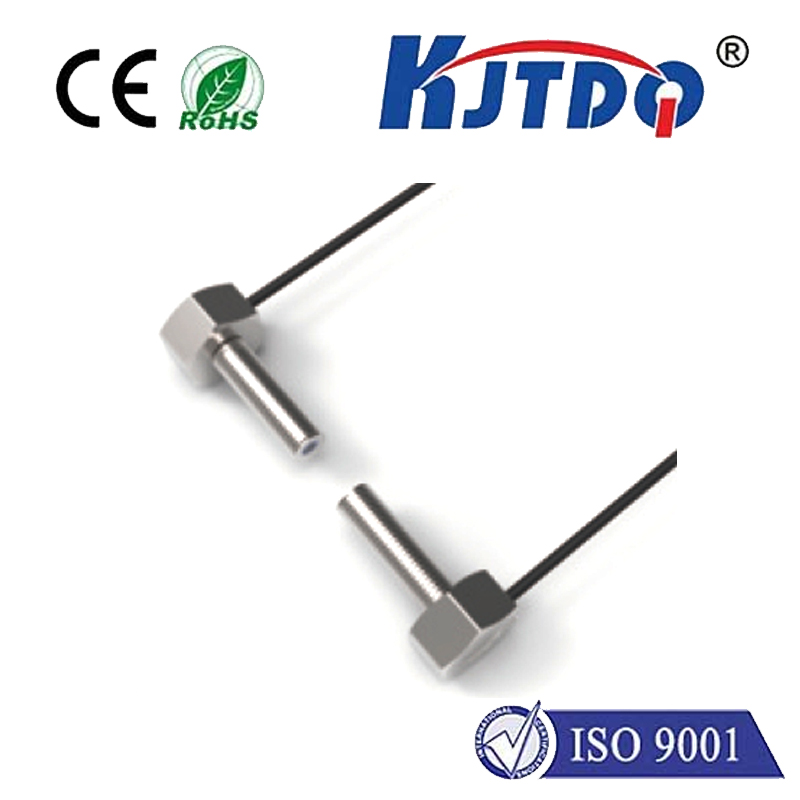
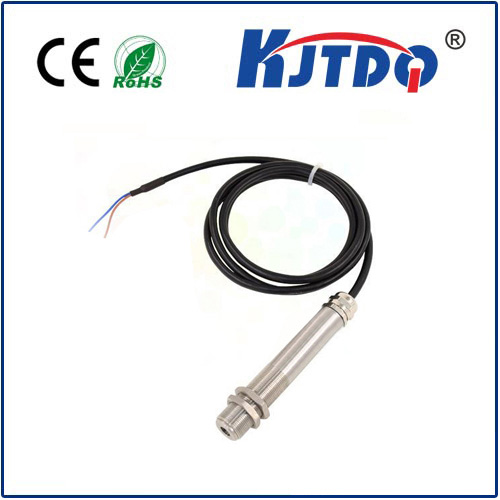
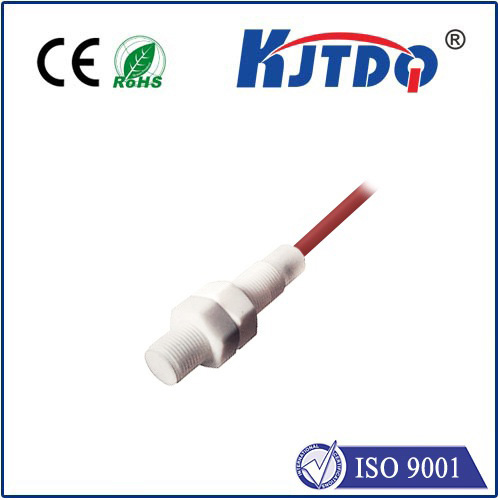
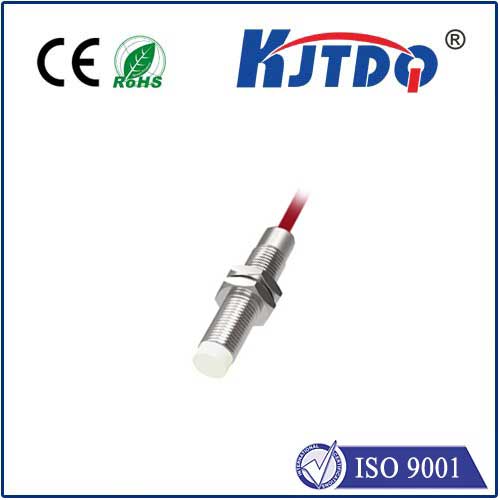
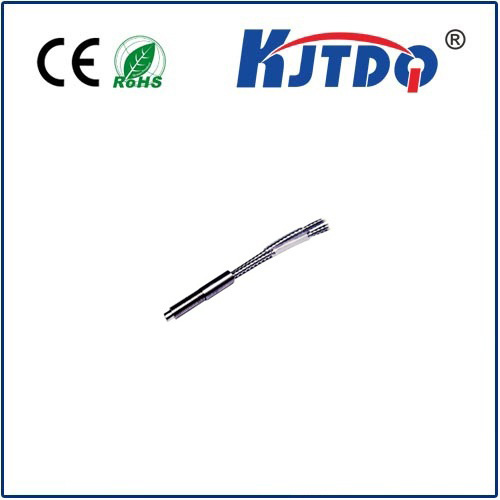
In the rapidly evolving landscape of industrial automation, the demand for reliable and precise sensing technology is paramount. Among the critical components driving this efficiency is the long-distance proximity switch, a device designed to detect the presence or absence of an object without physical contact, even at extended ranges. This technology, particularly exemplified by models like the KJTDQ series, represents a significant leap forward in operational safety, equipment longevity, and process optimization.
Traditional proximity sensors often face limitations in detection range, which can restrict their application in large-scale or complex industrial setups. The long-distance proximity switch overcomes this hurdle by utilizing advanced electromagnetic or capacitive sensing principles. These switches can reliably detect metallic or non-metallic targets from distances significantly greater than standard inductive or capacitive sensors. This extended range is not merely a convenience; it translates into tangible benefits for system design. Machinery can be spaced further apart, allowing for more flexible plant layouts and easier maintenance access. In material handling systems, such as conveyor belts or automated guided vehicles (AGVs), a long-distance switch can provide an early warning signal, enabling smoother deceleration and preventing collisions or jams.
The integration of a robust long-distance proximity switch like the KJTDQ into an automation system directly contributes to enhanced safety protocols. By detecting personnel or obstacles from a safer distance, these switches provide crucial extra time for machinery to halt or enter a safe mode, thereby reducing the risk of workplace accidents. Furthermore, the non-contact nature of the technology means there is no wear and tear from mechanical interaction. This leads to dramatically reduced maintenance requirements and downtime, as the switches themselves have a vastly longer service life compared to mechanical limit switches. The reliability of solid-state sensing ensures consistent performance over millions of cycles, a critical factor in high-throughput production environments such as automotive manufacturing, packaging lines, and heavy machinery operations.
Another key advantage is the improvement in process precision and data collection. Modern long-distance proximity switches often come with digital outputs and can be integrated into Industrial Internet of Things (IIoT) networks. This allows for real-time monitoring of machine cycles, object counts, and positional data. For instance, in a warehouse automation system, these switches can track the movement of pallets on a high-bay racking system, providing essential data for inventory management and logistics planning. The ability to sense objects accurately from a distance also minimizes the impact of environmental factors like dust, vibration, or minor misalignments, which often plague shorter-range sensors.
Choosing the right long-distance proximity switch requires careful consideration of several application-specific factors. The sensing distance, obviously, is primary, but the type of target material (ferrous metal, non-ferrous metal, or non-metallic), the required switching frequency, environmental conditions (IP rating for dust and water resistance), and output type (PNP/NPN, analog, or IO-Link) are all crucial. The KJTDQ series, for example, is engineered to offer a versatile solution with options tailored for harsh industrial environments, ensuring stable operation even in the presence of electrical noise or temperature fluctuations.
In conclusion, the adoption of advanced sensing components like the long-distance proximity switch is no longer a luxury but a necessity for industries aiming to achieve higher levels of automation, safety, and efficiency. By enabling detection at extended ranges, these devices provide the foundational intelligence for smarter, more responsive, and more resilient industrial systems. As factories move towards greater connectivity and autonomy, the role of precise, reliable, and long-range sensing technology, as embodied by the KJTDQ and similar innovations, will continue to be a cornerstone of modern industrial engineering and operational excellence.