check

check

check
check
check
check
check
check

check

check
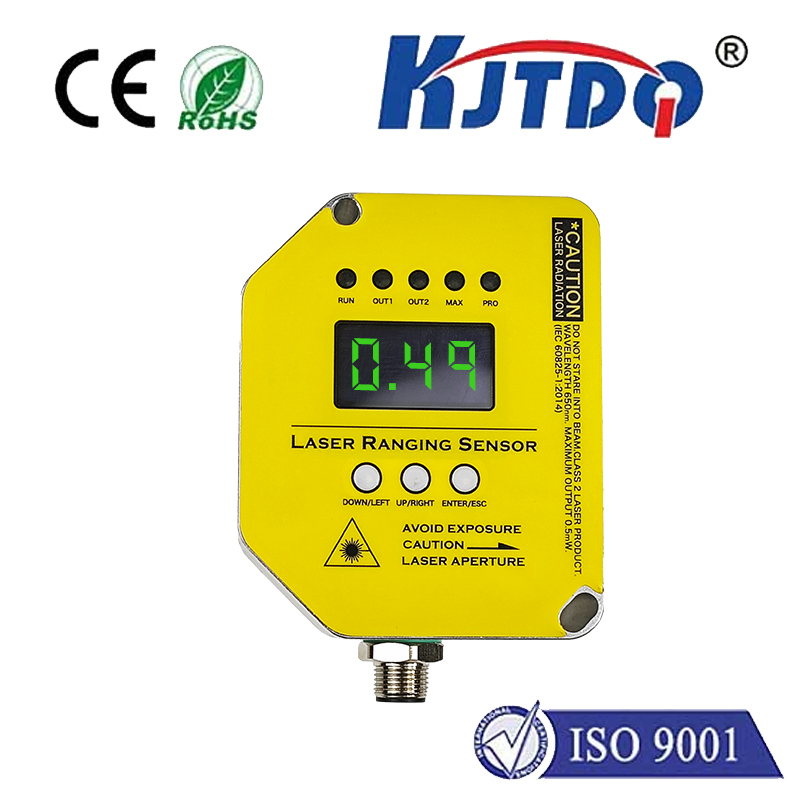
In the world of modern surveying, construction, forestry, and outdoor sports, the ability to measure distance with speed and accuracy is paramount. This is where the outdoor laser rangefinder sensor steps into the spotlight. Far more than just a component, this sophisticated technology is the core engine driving a new era of portable, reliable, and high-precision measurement tools for challenging environments.
Unlike traditional measuring tapes or ultrasonic sensors, an outdoor laser rangefinder sensor operates on the principle of time-of-flight. It emits a focused, invisible laser pulse towards a target. The sensor then precisely calculates the time it takes for that pulse to reflect back to the receiver. By knowing the constant speed of light, the device can determine the distance with remarkable accuracy, often within a meter or even down to millimeters for advanced models. This process happens in a fraction of a second, providing instant data to the user.
The true value of a dedicated *outdoor* sensor lies in its engineered resilience and enhanced capabilities. Manufacturers design these sensors to overcome the common pitfalls of exterior use. Premium models feature robust, weather-sealed housings that resist water, dust, and shocks, ensuring functionality in rain, fog, or extreme temperatures. Furthermore, they incorporate advanced optical systems and signal processing algorithms. These features are crucial for filtering out background noise, penetrating light foliage, and achieving strong returns from low-reflectivity targets like dark rocks or tree bark, which can challenge standard sensors.
For professionals, the applications are vast and transformative. In construction and civil engineering, these sensors integrated into tools allow for rapid site surveys, foundation layouts, and volume calculations with minimal crew. Foresters use them to measure tree height and plot density efficiently. In agriculture, they aid in land mapping and monitoring crop growth. The precision they offer reduces costly errors, saves immense time, and enhances overall project safety by allowing measurements from a safe distance, especially in hazardous or difficult-to-access areas.
The outdoor sporting community has also embraced this technology wholeheartedly. Golfers rely on compact rangefinders with slope-adjusted distance to select the perfect club. Hunters and archers use them for ethical, accurate shot placement over long ranges. Hikers and navigators employ them for mapping terrain and estimating travel times. The convenience of obtaining a precise distance to a flag, animal, or cliff face with the push of a button is a game-changer, enhancing both performance and the overall experience.
When selecting a device powered by an outdoor laser rangefinder sensor, key specifications demand attention. Maximum range is critical, but so is the minimum range. Look for models that offer close-distance capability. Accuracy, typically denoted as ±0.5 yards/meters or better, is a primary indicator of quality. Magnification and lens clarity are vital for target acquisition. Additional features like scan mode, angle compensation, Bluetooth connectivity for data logging, and long-lasting battery life significantly add to the tool's utility. The best choice always balances these specs with the specific demands of your primary activity.
As technology progresses, we can expect outdoor laser rangefinder sensors to become even more integrated, smaller, and smarter. Potential integrations with augmented reality displays, real-time GPS mapping, and automated data collection systems are on the horizon. The core mission, however, remains unchanged: to deliver trustworthy, precise distance data wherever the task takes you. By understanding the sophisticated sensor at the heart of these devices, users can make informed decisions, leveraging this powerful technology to measure, plan, and explore with unprecedented confidence and accuracy in the great outdoors.