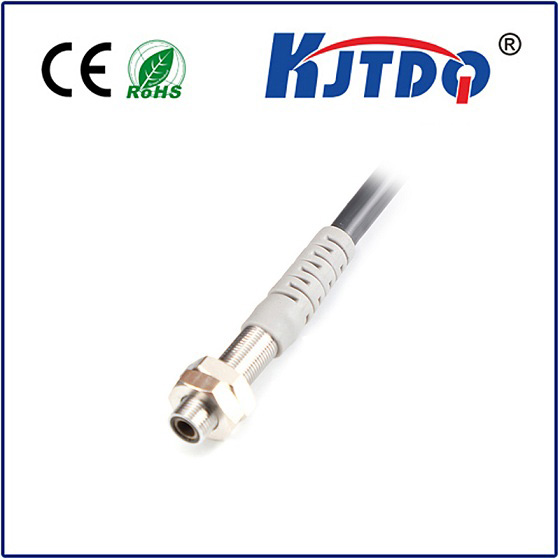
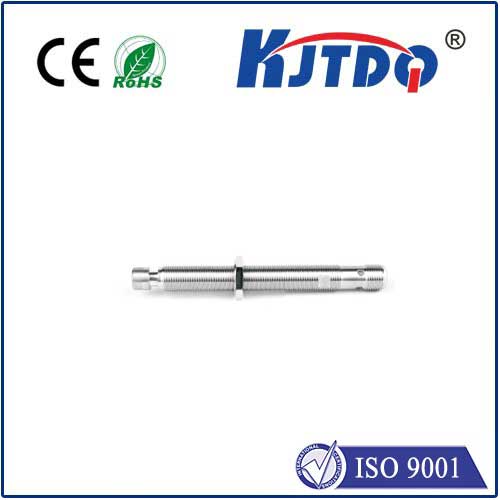
check

check

check

check

check

check
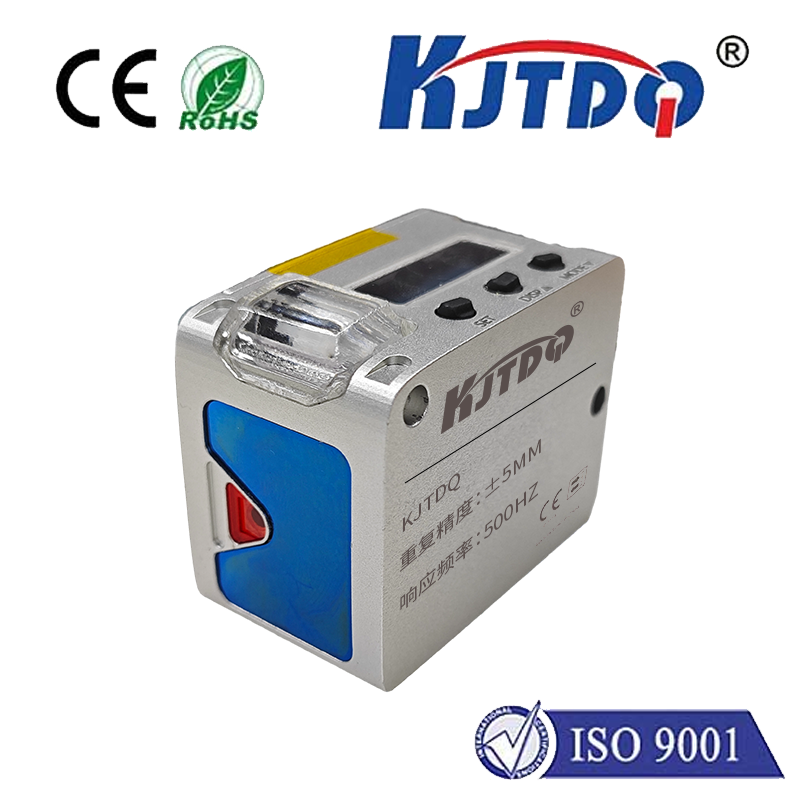
In today's fast-paced technological landscape, the demand for accurate distance measurement has never been greater. The two-meter rangefinder sensor emerges as a critical component, bridging the gap between theoretical precision and practical application. This device, capable of accurately measuring distances up to two meters, is revolutionizing industries from consumer electronics to advanced robotics. Unlike traditional measuring tools, this sensor operates on principles such as time-of-flight or triangulation, offering non-contact, rapid, and reliable data acquisition. Its integration into various systems underscores a shift towards automation and intelligent design, where millimeter-level accuracy is not just a luxury but a fundamental requirement.
The core technology behind a two-meter rangefinder sensor typically involves emitting a signal—often infrared light or ultrasonic waves—and calculating the distance based on the time it takes for the reflection to return. This method ensures high precision while minimizing environmental interference. For instance, in smartphone applications, these sensors enable advanced camera features like portrait mode and augmented reality, enhancing user experience by providing real-time depth information. Similarly, in home automation, they contribute to smart vacuum cleaners that navigate rooms efficiently, avoiding obstacles with seamless accuracy. The compact size and low power consumption of modern sensors make them ideal for portable and battery-operated devices, expanding their utility across diverse platforms.
Industrial applications further demonstrate the versatility of the two-meter rangefinder sensor. In manufacturing, robots equipped with these sensors can perform precise pick-and-place operations, reducing errors and increasing production speed. Quality control processes benefit from non-contact measurement, allowing for inspection of delicate components without risk of damage. The logistics sector utilizes them in warehouse automation for inventory management and pallet sizing, streamlining operations and cutting costs. Moreover, in the realm of healthcare, such sensors are integrated into diagnostic equipment and patient monitoring systems, where accurate distance measurement can be crucial for treatments and assessments.
The development of the two-meter rangefinder sensor also addresses challenges like varying light conditions and surface reflectivity. Advanced models incorporate filtering algorithms and adaptive calibration to maintain accuracy across different environments. This robustness is essential for outdoor applications, such as in drones for altitude holding or in agricultural robots for crop monitoring. As the Internet of Things continues to expand, these sensors play a pivotal role in creating interconnected smart environments, from adjusting lighting based on occupancy to enhancing security systems with precise motion detection.
Looking ahead, innovations in materials and miniaturization are pushing the boundaries of what two-meter rangefinder sensors can achieve. Researchers are exploring integration with artificial intelligence to enable predictive analytics and autonomous decision-making. For example, in automotive safety systems, these sensors could contribute to more responsive collision avoidance mechanisms. The ongoing reduction in cost and improvement in accessibility mean that smaller enterprises and hobbyists can now incorporate high-precision ranging into their projects, fostering creativity and innovation in fields like DIY electronics and educational kits.
In conclusion, the two-meter rangefinder sensor stands as a testament to the progress in measurement technology, offering a blend of accuracy, efficiency, and adaptability. Its widespread adoption across consumer, industrial, and emerging sectors highlights its importance in driving technological advancement. As we move towards an increasingly automated world, the reliance on such precise sensing tools will only grow, making them indispensable for future developments. By enabling smarter interactions and more efficient processes, these sensors are not just measuring distance—they are shaping the future of how we interact with our environment.