check

check

check

check

check

check
In industries where volatile atmospheres are a constant reality, the margin for error is zero. Operations in oil and gas refineries, chemical processing plants, mining sites, and grain handling facilities demand tools that are not only precise but inherently safe. Standard measurement equipment can become a source of catastrophic ignition in these environments. This is where the specialized technology of explosion-proof laser rangefinders becomes indispensable. These devices are engineered from the ground up to deliver critical distance data while rigorously preventing any potential spark or thermal event that could trigger an explosion.
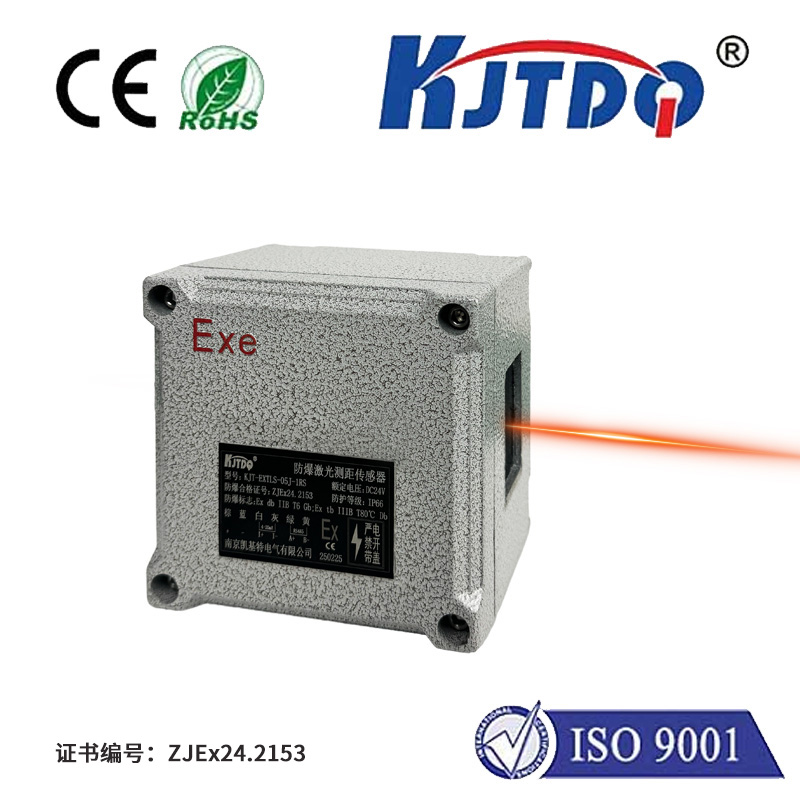
The core principle behind an explosion-proof laser rangefinder is containment. Unlike simply "robust" tools, these instruments are designed and certified to specific international standards, such as ATEX (Europe), IECEx (International), or NEC (North America). These certifications are not mere suggestions; they are rigorous legal requirements for equipment used in classified hazardous zones. The housing of the device is constructed to withstand an internal explosion of specific gases or dusts without allowing flames or hot gases to escape and ignite the surrounding atmosphere. Every component, from the laser emitter and lens to the battery compartment and buttons, is sealed and protected. This ensures that even in the event of a rare internal fault, the danger is completely contained within the rugged shell.
Precision in perilous conditions is the other hallmark of these tools. Utilizing advanced time-of-flight or phase-shift laser technology, they provide highly accurate distance, area, and volume measurements from a safe standoff position. For example, a technician can safely measure the level of flammable liquid in a storage tank, calculate the volume of material in a silo containing combustible dust, or verify clearances around piping in a confined space—all without physical contact or entering the immediate hazard zone. This capability drastically reduces personnel exposure to risk and enhances operational efficiency. Modern models often feature intuitive interfaces, long-range capabilities exceeding hundreds of meters, data logging, and Bluetooth connectivity to transfer measurements directly to a safe-area device for record-keeping and analysis.
The practical applications are vast and critical. In the oil and gas sector, they are used for tank gauging, pipeline inspection, and monitoring structural integrity on offshore platforms. In chemical plants, they assist in inventory management of raw materials and finished products. Within mining, they are crucial for measuring stockpiles, monitoring tunnel dimensions, and ensuring safe distances during excavation. The investment in an explosion-proof laser rangefinder transcends the purchase of a tool; it is an investment in a comprehensive safety protocol. It empowers teams to make informed, data-driven decisions while upholding the highest standards of personnel safety and asset protection.
Choosing the right device requires careful consideration of the specific hazardous environment (Zone/Division classification, gas group, temperature class) and the required measurement performance. Partnering with reputable manufacturers who provide full certification documentation and robust support is essential. In essence, the explosion-proof laser rangefinder stands as a silent guardian in high-risk industries. It merges cutting-edge measurement science with uncompromising safety engineering, proving that in environments where danger is omnipresent, precision and protection must—and can—go hand in hand.