check

check

check

check

check

check
In the demanding world of industrial automation and process control, the reliability and accuracy of sensing technology are non-negotiable. Among the critical components ensuring operational safety and efficiency, the PSC0801-N2 High Pressure Proximity Sensor stands out as a robust solution designed for extreme environments. This guide delves into the core features, operational principles, and diverse applications of this advanced sensor, providing essential insights for engineers and procurement specialists.
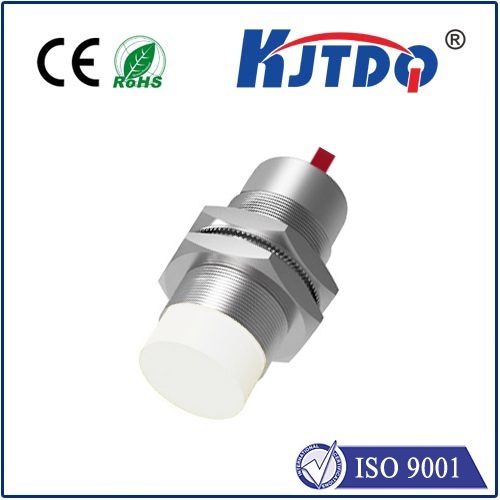
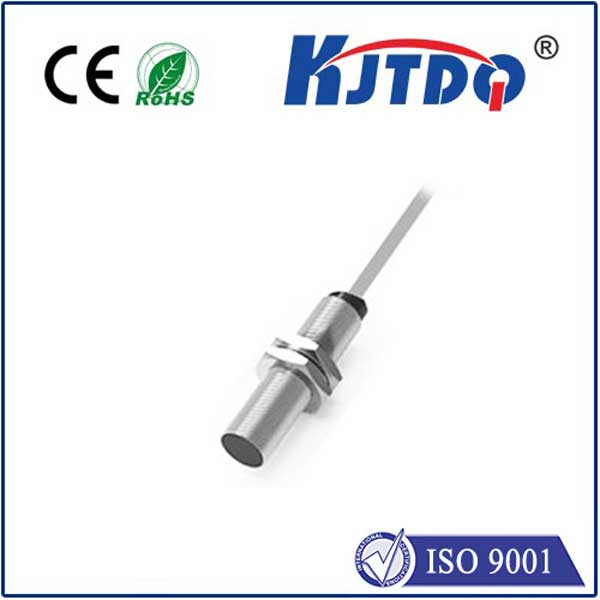
The PSC0801-N2 is engineered specifically to detect the presence or absence of metallic objects in high-pressure hydraulic and pneumatic systems. Unlike standard inductive proximity sensors, it is built to withstand the intense pressures commonly found in heavy machinery, injection molding equipment, and hydraulic presses. Its robust housing, typically constructed from stainless steel, provides exceptional resistance to mechanical stress, corrosion, and fluid ingress, ensuring longevity even in the harshest conditions.
At the heart of its functionality lies a high-precision inductive sensing element. This component generates an electromagnetic field. When a metallic target enters this field, eddy currents are induced, causing a change in the field's oscillation. The sensor's integrated circuitry detects this change and triggers a solid-state switching signal. The "N2" designation often indicates a specific output configuration, such as a normally open (NO) or normally closed (NC) PNP or NPN transistor output, making it compatible with a wide range of programmable logic controllers (PLCs) and control systems.
One of the defining characteristics of the PSC0801-N2 is its exceptional pressure rating. It can operate reliably within systems where ambient pressure far exceeds standard atmospheric conditions, a common scenario in deep-sea equipment, high-pressure testing rigs, and certain chemical processing applications. This capability eliminates the need for complex and costly pressure-sealing arrangements for the sensor itself, simplifying system design and maintenance.
Installation and integration are straightforward due to its compact, cylindrical form factor. Many models feature a threaded barrel, allowing for easy mounting directly into a tapped hole on a machine block or manifold. Proper alignment with the target object is crucial for optimal performance, and the sensor's datasheet provides precise specifications for sensing distance, repeat accuracy, and temperature operating range. It is vital to ensure that the target material (ferrous or non-ferrous metals) and size meet the sensor's requirements for consistent and fail-safe detection.
The applications for the PSC0801-N2 are vast and critical. In hydraulic power units, it monitors piston position in cylinders, preventing over-travel and enabling precise cycle control. Within plastic injection molding machines, it confirms mold closure under high clamping pressure, a fundamental safety interlock. It is also indispensable in die-casting machines, heavy-duty press brakes, and offshore oil & gas equipment, where it provides vital feedback on valve spool position or component presence under immense system pressures.
When selecting a high-pressure proximity sensor like the PSC0801-N2, several factors must be evaluated. Key specifications include the maximum operating pressure (PSI or Bar), the sensing range, the type of electrical output, the supply voltage (commonly 10-30V DC), and the environmental protection rating (often IP67 or higher for dust and temporary immersion protection). Choosing a sensor from a reputable manufacturer that provides detailed technical documentation and support is paramount for system reliability.
Maintenance is typically minimal, given the sensor's non-contact operating principle. There are no moving parts to wear out. However, regular checks are recommended to ensure the sensing face remains clean from debris, metal shavings, or thick grease buildup, which could attenuate the sensing field. The integrity of the electrical connection and cable should also be periodically inspected, especially in environments with high vibration.
In conclusion, the PSC0801-N2 High Pressure Proximity Sensor represents a specialized tier of sensing technology, bridging the gap between standard proximity detection and the rigorous demands of high-pressure fluid power systems. Its durability, precision, and reliability make it an indispensable component for enhancing safety, optimizing automated processes, and preventing costly downtime in heavy industry. For any application where pressure is a constant factor, investing in a purpose-built sensor like the PSC0801-N2 is not just an option—it is a necessity for robust and fail-safe operation.