check

check

check

check

check

check
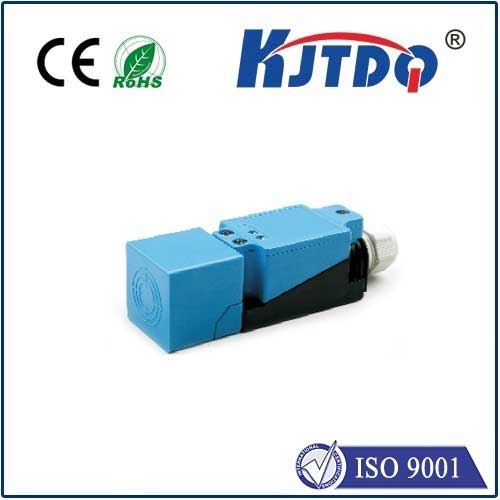
In the relentless world of industrial automation, where machinery operates under extreme pressures and within tight tolerances, the margin for error is virtually zero. Sensor failure is not an option; it can lead to catastrophic downtime, compromised safety, and significant financial loss. This is where precision-engineered components like the BID2-G180-AN6-H1141/S212 High Pressure Proximity Sensor step in, not merely as a part but as a critical guardian of process integrity and operational continuity.
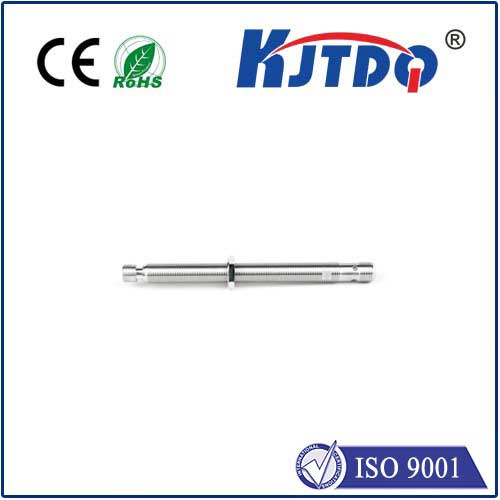
The BID2-G180-AN6-H1141/S212 is engineered to excel in environments where conventional sensors falter. Its core designation reveals its robust capabilities. The "High Pressure" specification indicates its resilience in systems where hydraulic or pneumatic pressures are substantial, ensuring reliable detection without internal component deformation or signal drift. The model is designed to maintain consistent performance, providing accurate position or presence feedback of metallic targets even when submerged in high-pressure fluid lines or mounted directly on heavy-duty cylinders and presses.
What sets this sensor apart is its specific configuration. The 'AN6' likely refers to a standardized, robust electrical connection, ensuring secure and reliable wiring that withstands vibration—a common challenge in industrial settings. The 'H1141/S212' suffix often details specific output types, sensing ranges, or housing materials tailored for particular applications, such as in mobile hydraulics, die-casting machines, or plastic injection molding equipment. This level of specificity means the sensor is not a generic off-the-shelf item but a solution crafted for predictable performance under predefined, harsh conditions.
The operational principle is based on inductive proximity sensing. The sensor generates an electromagnetic field. When a metallic target enters this field, eddy currents are induced, causing a change in the sensor's internal oscillation. This change is detected and converted into a clean, switch-like electrical signal. For the BID2-G180 model, this process remains impeccably stable despite external pressure fluctuations. The housing is typically constructed from high-grade stainless steel or nickel-plated brass, offering exceptional resistance to corrosion, mechanical impact, and high-pressure washdowns common in food processing or chemical industries.
Deploying the BID2-G180-AN6-H1141/S212 brings tangible benefits to engineering and maintenance teams. First and foremost is enhanced reliability. Its failure-resistant design translates to longer mean time between failures (MTBF), reducing unplanned stoppages. Secondly, it ensures precision. Accurate detection of piston rod position in a hydraulic cylinder, for example, is crucial for controlling cycle times and preventing machine damage. This accuracy improves overall equipment effectiveness (OEE). Furthermore, its rugged build minimizes maintenance needs, cutting long-term ownership costs. In safety-critical applications, its dependable operation is integral to protecting both personnel and capital assets.
Consider its application in a high-pressure hydraulic press. Here, the sensor monitors the position of the press ram. Any inconsistency in its signal could lead to improper pressing force or timing, ruining products or damaging the tooling. The BID2-G180, with its pressure-resistant design, delivers unwavering signals, ensuring each press cycle is identical to the last. Similarly, in offshore oil and gas equipment, where sensors face constant high pressure and a corrosive atmosphere, this sensor's robust sealing and construction ensure continuous monitoring of valve positions, preventing leaks and ensuring safe operations.
Selecting the right high-pressure proximity sensor requires careful analysis. Engineers must cross-reference the sensor's specifications—such as its pressure rating, sensing distance, output type (PNP/NPN, analog), electrical current rating, and temperature range—with the application's actual operating environment. The BID2-G180-AN6-H1141/S212 model code provides this detailed blueprint. It is crucial to consult technical datasheets and, when necessary, engage with product specialists to confirm compatibility, especially regarding fluid compatibility and pressure spike tolerances.
In conclusion, the BID2-G180-AN6-H1141/S212 High Pressure Proximity Sensor represents a pinnacle of applied engineering for harsh industrial environments. It transcends basic functionality to become a key enabler of efficiency, safety, and reliability. For system designers and plant managers grappling with the challenges of high-pressure automation, integrating such a purpose-built sensor is a strategic decision. It is an investment in minimizing risk, maximizing uptime, and safeguarding the seamless, profitable flow of industrial operations. In the demanding symphony of modern manufacturing, it is the component that guarantees the rhythm never falters.