check

check

check

check

check

check
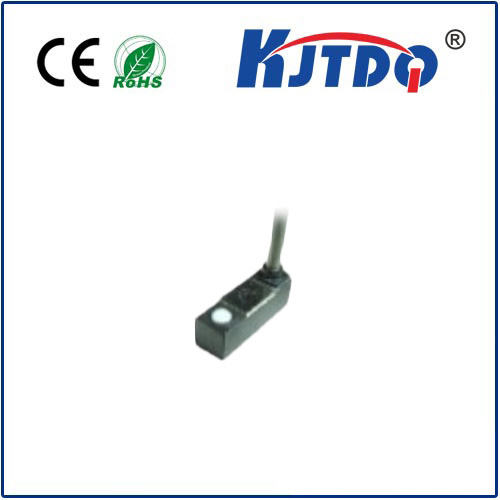
In the complex and demanding world of industrial automation, the reliability of every component is paramount. When it comes to monitoring and controlling machinery under extreme conditions, the choice of sensor technology can be the difference between seamless operation and costly downtime. The XP series, specifically models like the FL2F-4J6D-R and FL2F-4K6-R High Pressure Proximity Sensors, stands out as a robust solution engineered for precision and durability in high-pressure environments.
These sensors are not just components; they are critical guardians of system integrity. Designed to operate flawlessly where standard sensors would fail, the XP FL2F-4J6D-R and FL2F-4K6-R models are built to withstand the intense pressures found in hydraulic systems, heavy-duty presses, injection molding machines, and offshore equipment. Their core function is to detect the presence or position of a target—typically a metal object—without any physical contact. This non-contact sensing principle eliminates mechanical wear, ensuring a significantly longer service life and reducing maintenance needs.
What sets the XP FL2F series apart is its specialized design for high-pressure resilience. The sensors feature a rugged, hermetically sealed housing that protects the internal electronics from moisture, oil, and particulate contaminants commonly present in industrial settings. This robust construction allows them to perform consistently even when directly exposed to high-pressure washdowns or submerged in hydraulic fluids. The sensing face is engineered to handle the physical stresses associated with high-pressure zones, providing stable and accurate detection signals without drift.
The technical specifications of these models highlight their capability. They offer a precise sensing range, fast response times crucial for high-speed automation cycles, and excellent repeat accuracy. This ensures that machinery can operate at optimal speeds while maintaining strict safety and quality control standards. The output signals, typically in the form of a stable digital switch (PNP or NPN), integrate seamlessly with Programmable Logic Controllers (PLCs) and other industrial control systems, providing a reliable input for critical decision-making processes.
For engineers and maintenance managers, the practical benefits are clear. Implementing the XP FL2F-4J6D-R or FL2F-4K6-R sensor translates to enhanced system reliability. By providing fail-safe detection of piston position, valve status, or component presence in high-pressure circuits, these sensors help prevent catastrophic machine failures. They contribute to predictive maintenance strategies by offering consistent performance data, allowing teams to schedule servicing before issues arise, rather than reacting to emergencies.
Furthermore, their durability directly impacts the total cost of ownership. While the initial investment might be higher than a standard proximity sensor, the extended operational lifespan, reduced unplanned stoppages, and lower frequency of replacement lead to substantial long-term savings. The sensors' resistance to harsh conditions means they are a fit-for-purpose solution for industries such as metal forming, plastic manufacturing, die-casting, and energy, where equipment is constantly pushed to its limits.
Selecting the right sensor requires careful consideration of the application's specific pressure ratings, temperature ranges, target material, and required electrical interface. The XP FL2F-4J6D-R and FL2F-4K6-R models are part of a broader family, allowing for selection based on precise technical needs. Consultation with technical specialists or a thorough review of the manufacturer's datasheets is recommended to ensure perfect compatibility with the intended system.
In conclusion, in environments where pressure is not just a measurement but a constant challenge, ordinary sensors are insufficient. The High Pressure Proximity Sensor models XP FL2F-4J6D-R and FL2F-4K6-R represent a dedicated engineering response to this challenge. By delivering unwavering accuracy, exceptional durability, and reliable performance under duress, they empower industries to operate more safely, efficiently, and productively. For any operation where high pressure is a defining factor, specifying these sensors is a strategic decision towards building a more resilient and dependable automation infrastructure.