check

check

check

check

check

check
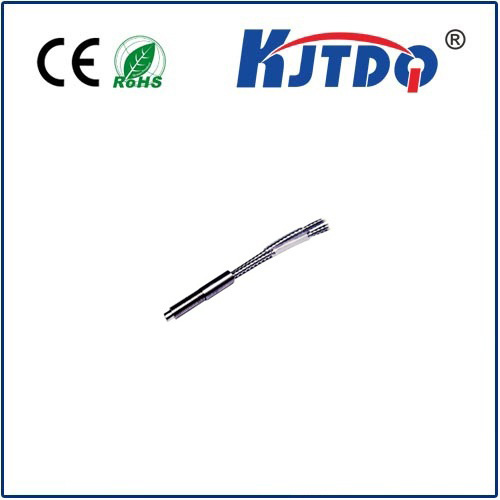
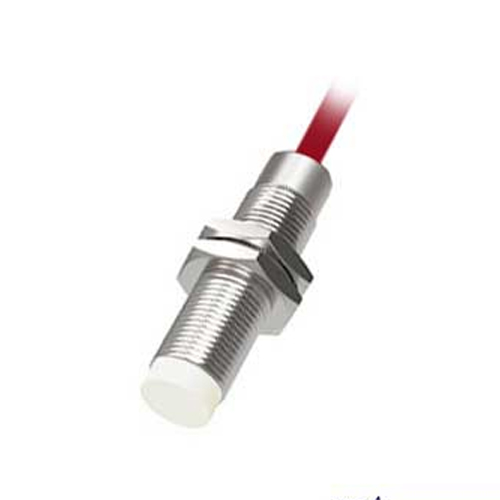
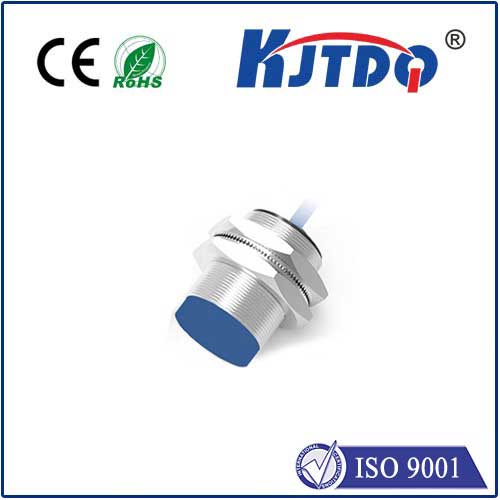
In demanding industrial environments where precision, reliability, and durability are non-negotiable, the BD3-P1-M14S High Pressure Proximity Sensor stands as a critical component for modern automation and control systems. Engineered to perform flawlessly under extreme conditions, this sensor represents a significant advancement in proximity detection technology, specifically designed for applications involving high-pressure fluids, aggressive media, or challenging atmospheric conditions. Its robust construction and sophisticated sensing mechanism ensure accurate, non-contact detection of metallic targets, making it an indispensable tool for industries ranging from hydraulic machinery and heavy equipment to chemical processing and offshore operations.
The core functionality of the BD3-P1-M14S revolves around its ability to detect the presence or absence of a metallic object without any physical contact. This is achieved through an inductive sensing principle. The sensor generates an electromagnetic field from its active face. When a ferrous or non-ferrous metal target enters this field, eddy currents are induced within the target, causing a change in the oscillation amplitude within the sensor's internal circuit. This change is precisely measured and triggers a solid-state switching signal. The "High Pressure" designation is not merely a label; it signifies a hermetically sealed, stainless-steel housing rated to withstand immersion and exposure to pressures that would compromise standard sensors. This design prevents media ingress, ensuring long-term stability and preventing false triggers caused by environmental contaminants like oil, coolant, or particulate matter.
A key differentiator of the BD3-P1-M14S is its exceptional environmental resilience. The sensor is typically rated with a high IP (Ingress Protection) rating, such as IP67 or IP69K, guaranteeing protection against dust and high-pressure, high-temperature water jets. This makes it suitable for wash-down environments in food and beverage or pharmaceutical manufacturing. Furthermore, its operational temperature range is broad, allowing consistent performance from freezing cold to intensely hot settings. The electrical output is usually a stable PNP or NPN signal, compatible with standard programmable logic controllers (PLCs), making integration into existing control panels straightforward and reducing installation complexity and downtime.
The practical applications for this sensor are vast and critical. In hydraulic systems, it is used for end-position detection of cylinders, monitoring piston rod movement, and ensuring systems do not operate beyond safe mechanical limits, which is vital for preventing equipment damage and ensuring operator safety. Within injection molding machines, it precisely detects mold plate positions under high clamping forces. In mobile hydraulics for construction and agricultural machinery, it provides reliable feedback for boom, arm, and bucket positioning, enduring constant vibration and shock. The chemical industry utilizes its corrosion-resistant variants for tank level monitoring or valve position feedback where exposure to aggressive substances is routine.
Installation and maintenance of the BD3-P1-M14S are designed for efficiency. Its compact M14 threaded barrel form factor allows for easy mounting in standard fixtures. Correct installation involves ensuring the proper sensing distance—typically a few millimeters—is maintained from the target, accounting for the sensor's reduced sensing range in high-pressure environments compared to air. Shielding, or the presence of other metals in the mounting arrangement, must also be considered to avoid interference. Maintenance is minimal due to its non-contact nature and sealed housing; primary tasks involve periodic checks for physical damage to the housing or cable and verifying signal integrity.
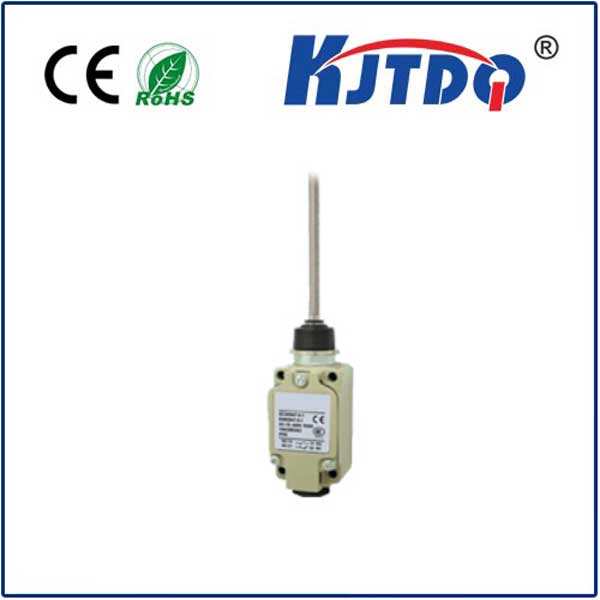
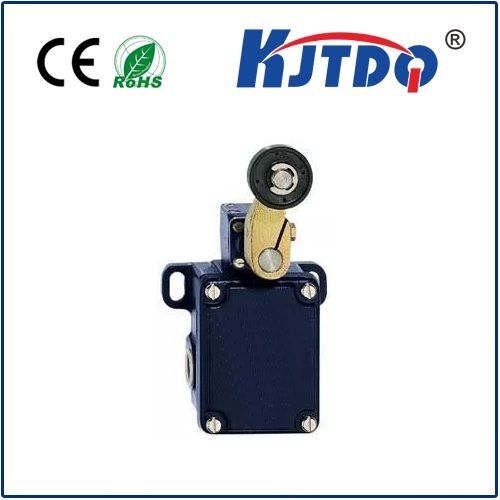
When selecting a high-pressure proximity sensor, the BD3-P1-M14S offers a compelling balance of performance and robustness. Compared to traditional mechanical limit switches, it provides faster response times, no moving parts to wear out, and superior resistance to contamination. Its longevity and reliability translate directly into reduced maintenance costs, fewer unplanned stoppages, and enhanced overall equipment effectiveness (OEE). For engineers and system integrators, specifying this sensor means investing in a component that delivers consistent, accurate data—the foundation of any reliable automated process.
In conclusion, the BD3-P1-M14S High Pressure Proximity Sensor is more than just a component; it is a engineered solution for extreme industrial challenges. Its ability to deliver precise inductive sensing while resisting the detrimental effects of pressure, moisture, and temperature extremes makes it a cornerstone of modern industrial automation. By enabling safer, more efficient, and more reliable machine operation, it supports the advancement of smarter, more resilient manufacturing and processing operations worldwide.