check

check

check

check

check

check
In the relentless world of industrial automation, where machinery operates under extreme pressures and within tight tolerances, the reliability of every component is non-negotiable. Sensor failure in such conditions is not merely an inconvenience; it can lead to catastrophic downtime, safety hazards, and significant financial loss. This is where precision engineering meets rugged durability, embodied in solutions like the KGG20H2KD High Pressure Proximity Sensor. Designed to perform flawlessly where others falter, this sensor represents a critical advancement for monitoring and control in high-pressure hydraulic systems, heavy-duty presses, and injection molding equipment.
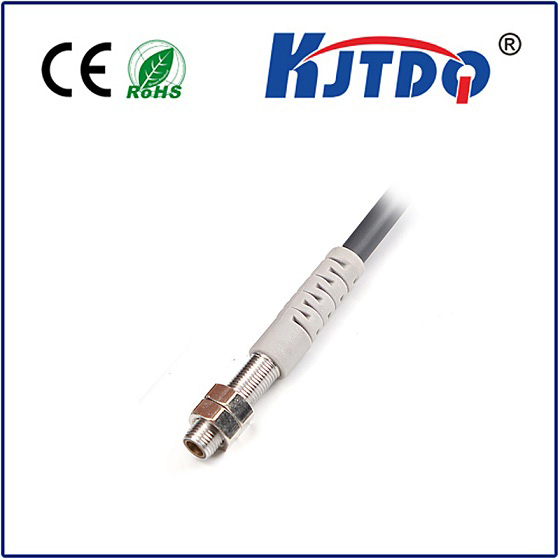
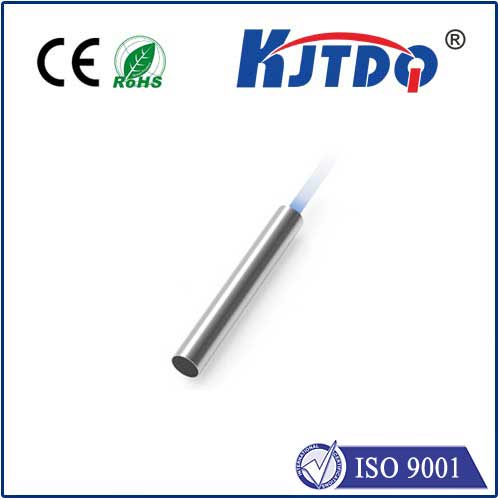
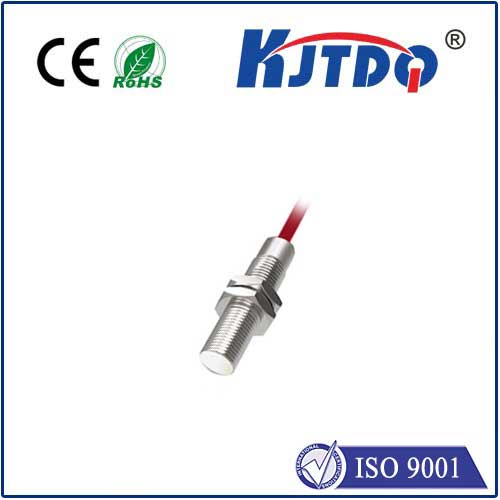
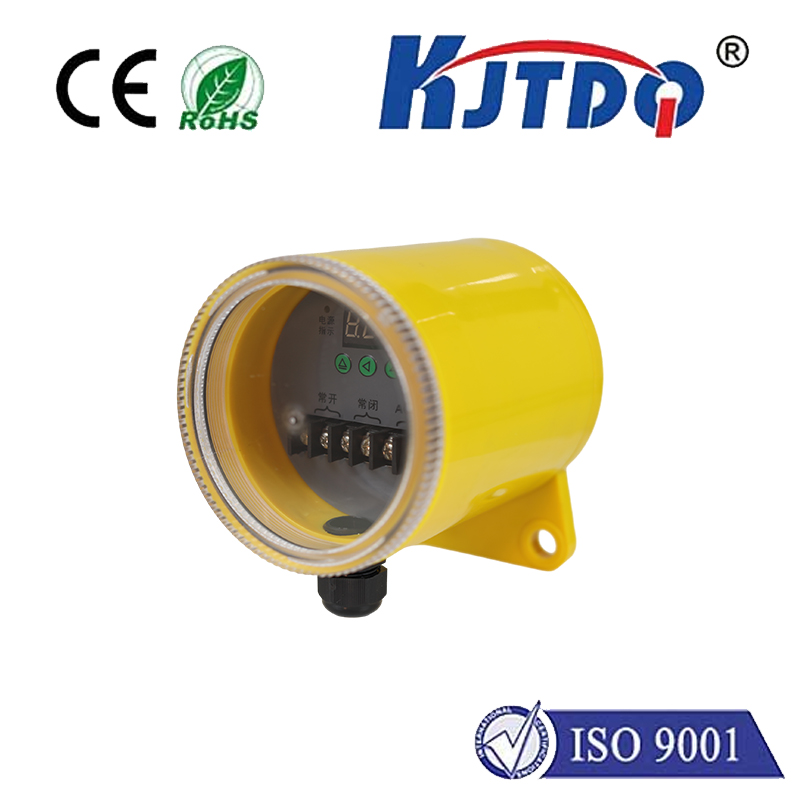
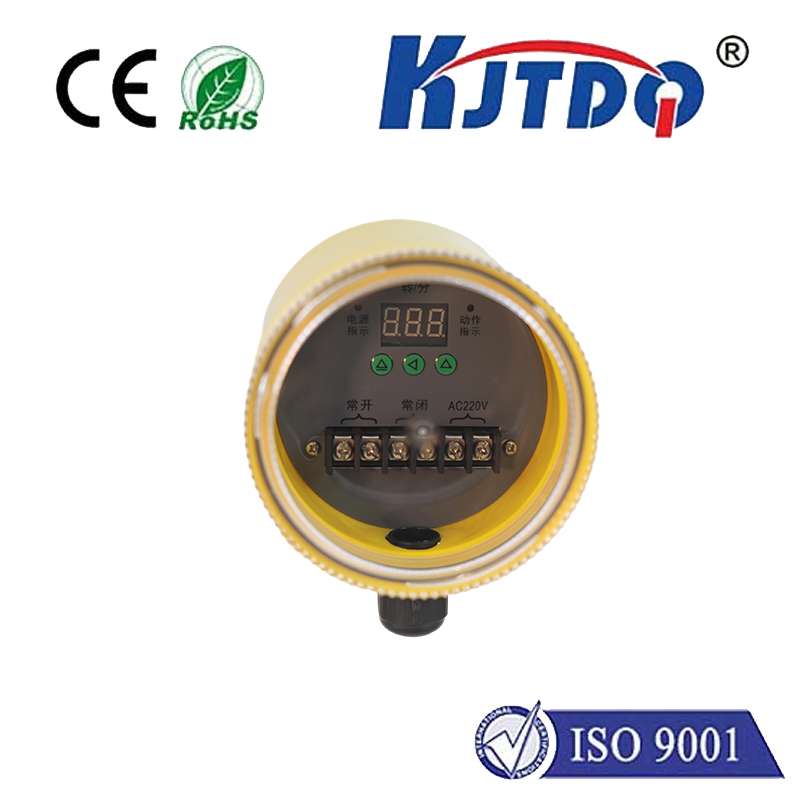
The core challenge in high-pressure environments is the immense force exerted on sensing elements. Standard inductive or capacitive proximity sensors often lack the structural integrity to withstand sustained high pressure without signal drift, physical deformation, or complete failure. The KGG20H2KD is engineered from the ground up to conquer this challenge. Its defining feature is a specially reinforced stainless-steel housing and a pressure-resistant diaphragm that isolates the sensitive electronic components from the measured medium. This robust construction allows it to be directly installed into hydraulic lines or pressure vessels, providing accurate detection of piston position, valve status, or the presence of metallic targets even when system pressures soar. The result is continuous, reliable feedback that is immune to the punishing conditions inside the system.
Beyond its brute strength, the KGG20H2KD excels in operational intelligence. It typically features a high switching frequency and exceptional repeat accuracy, ensuring that even rapid cycles of a hydraulic press are captured with precision. This is crucial for maintaining product quality in manufacturing processes where consistency is paramount. Many models offer both Normally Open (NO) and Normally Closed (NC) output configurations, providing flexibility for diverse control logic and safety circuit designs. The sensor is also characterized by its impressive environmental resilience, boasting high ratings for ingress protection (IP67/IP69K) that shield it from water, oil, dust, and aggressive cleaning procedures common in food processing, chemical, or offshore applications.
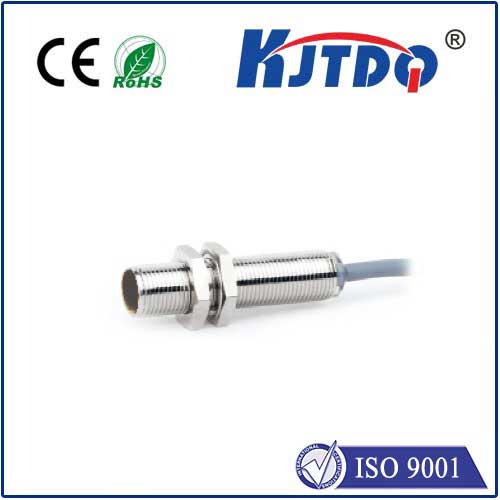
Installation and integration are streamlined for efficiency. The compact, cylindrical form factor of the KGG20H2KD allows for easy mounting in space-constrained locations. Its compatibility with standard industrial connectors and voltage ranges (commonly 10-30V DC) ensures it can be seamlessly incorporated into existing PLC (Programmable Logic Controller) or relay-based control systems without requiring extensive modifications. This plug-and-play capability reduces commissioning time and minimizes disruption to production schedules. Maintenance engineers appreciate the sensor's long-term stability and the clear diagnostic indicators, such as LED status lights, which facilitate quick troubleshooting and prevent prolonged operational halts.
The practical applications of this high-pressure proximity sensor are vast and impactful. In metalforming, it ensures precise control over stamping and forging presses, preventing over-travel and protecting dies. Within the plastics industry, it monitors injection molding machine clamps, guaranteeing proper mold closure and ejection sequences. On mobile hydraulic equipment like excavators and cranes, it provides reliable feedback for boom and arm positioning, enhancing both safety and operational smoothness. In test stands for engines and pumps, it delivers accurate data on component movement under extreme pressure loads, which is vital for research, development, and quality assurance.
Ultimately, selecting a sensor like the KGG20H2KD is an investment in systemic resilience and operational excellence. It moves beyond being a simple switch to become a foundational element of predictive maintenance strategies. By delivering unwavering performance data, it enables plant managers to move from reactive repairs to proactive condition monitoring, scheduling maintenance based on actual wear rather than arbitrary timelines. This not only extends the lifespan of costly primary machinery but also fortifies the entire production line against unexpected failures. In an era where efficiency and uptime are directly linked to profitability, deploying components engineered for the most severe duties is a strategic imperative. The KGG20H2KD High Pressure Proximity Sensor stands as a testament to this principle, offering a blend of ruggedness, precision, and reliability that safeguards productivity in the heart of industrial pressure.