check

check

check

check

check

check
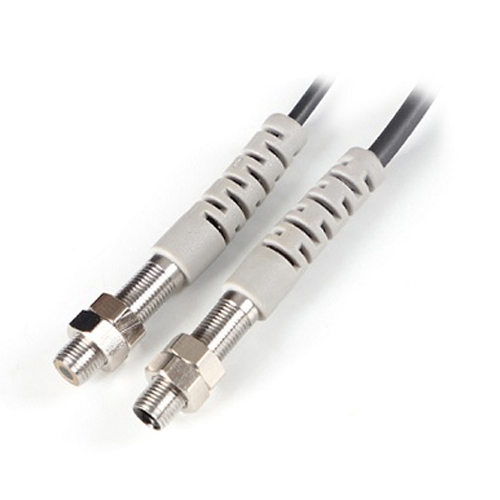
In the world of industrial automation, reliability is not just a feature; it's the foundation. Harsh environments characterized by extreme pressures, temperature fluctuations, and potential contaminants demand sensing solutions that are built to endure. The BES 516-300-S289-BO-D-PU-05 High Pressure Proximity Sensor stands out as a premier example of engineering designed to meet these rigorous challenges head-on. This inductive sensor is more than just a component; it is a critical asset for ensuring operational continuity, safety, and efficiency in applications where failure is not an option.
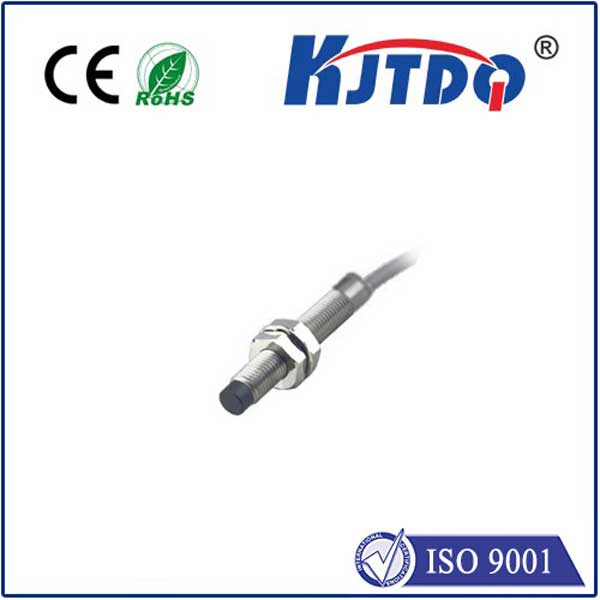
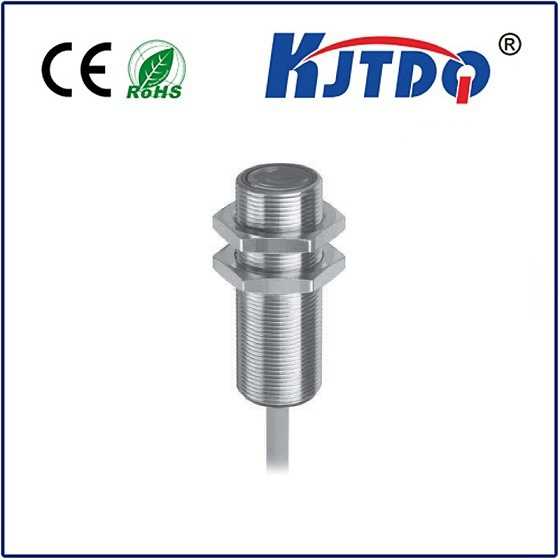
The core strength of the BES 516-300-S289-BO-D-PU-05 lies in its robust construction and specialized design for high-pressure scenarios. The sensor housing is engineered to withstand significant external pressure, making it an ideal choice for hydraulic systems, heavy-duty presses, injection molding machines, and deep-sea equipment. Its resilience ensures that signal integrity and switching accuracy remain uncompromised, even when subjected to the intense physical forces common in oil and gas, marine, and heavy manufacturing sectors. This durability translates directly into reduced downtime and lower maintenance costs, as the sensor can perform consistently over extended periods without degradation.
A key feature of this model is its precise sensing capability. Utilizing a robust inductive principle, it provides non-contact detection of metallic objects. The "BO" in its designation typically indicates a normally open (NO) switching function, offering flexibility in control circuit design. The sensing range is optimized for reliable detection in confined or challenging spatial arrangements, ensuring that machine cycles are executed flawlessly. This accuracy is paramount for processes involving positioning, counting, or end-position monitoring, where even a millimeter of error can lead to product defects or machinery damage.
The electrical and connection specifications of the BES 516-300-S289-BO-D-PU-05 are tailored for seamless integration into complex industrial control systems. The "D" often denotes a DC (Direct Current) operating voltage, commonly 10-30V DC, which is the standard for modern programmable logic controller (PLC) interfaces. The "PU" likely refers to a PUR (Polyurethane) cable, known for its excellent resistance to oils, chemicals, and abrasion. This cable quality is crucial, as it protects the electrical connection—a frequent point of failure—from environmental hazards, ensuring a stable and long-lasting link to the control cabinet.
Installation and operational simplicity further enhance the value proposition of this sensor. Its design typically allows for easy mounting and adjustment, saving valuable time during setup or replacement. Many such high-pressure rated sensors also feature LED status indicators, providing immediate visual confirmation of operational state and power supply, which aids in quick troubleshooting. This user-centric design philosophy minimizes the need for specialized training and allows maintenance personnel to work more efficiently.
When selecting a proximity sensor for high-pressure applications, several factors must be considered beyond just the pressure rating. Compatibility with the specific metal type being detected, the required switching frequency, ambient temperature range, and the need for certifications like IP67 or IP69K for water and dust ingress protection are all critical. The BES 516-300-S289-BO-D-PU-05 is developed with these comprehensive requirements in mind, offering a balanced and reliable package. It serves as a testament to how targeted engineering can solve specific industrial problems, providing a dependable pulse for machinery in the most demanding conditions.
Ultimately, the integration of a sensor like the BES 516-300-S289-BO-D-PU-05 into an industrial system is an investment in precision and resilience. It acts as the reliable eyes of the operation, delivering crucial data that drives automated decisions. For engineers and plant managers seeking to bolster the robustness of their production lines or heavy machinery, specifying this high-pressure proximity sensor is a strategic step toward achieving higher levels of operational excellence and equipment longevity.