check

check

check

check

check

check
In the demanding world of industrial automation, precision, reliability, and durability are non-negotiable. The KGG08P2BAC High Pressure Proximity Sensor stands as a testament to engineering excellence, designed to thrive in environments where ordinary sensors would falter. This comprehensive guide delves into the core features, applications, and benefits of this robust sensing solution, providing essential insights for engineers and procurement specialists.
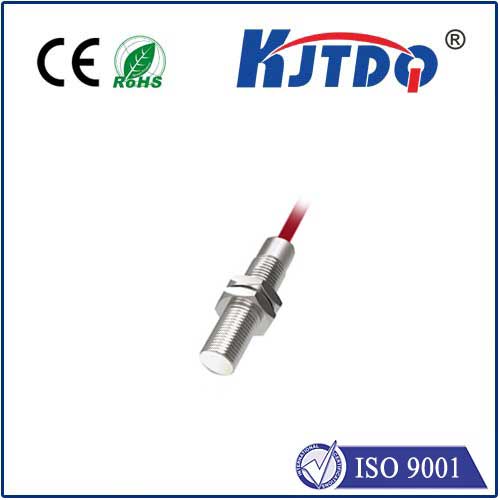
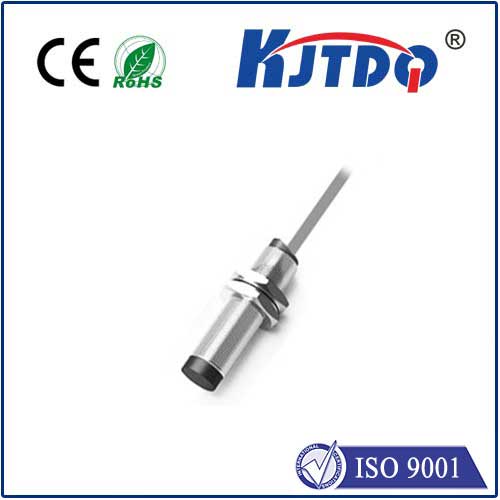
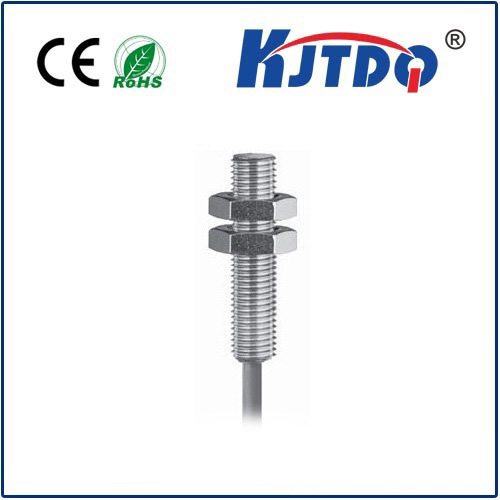
At its heart, the KGG08P2BAC is engineered for high-pressure washdown and harsh industrial conditions. Its defining characteristic is an exceptionally rugged stainless-steel housing, typically rated to IP68 or IP69K standards. This construction provides an impervious seal against high-pressure water jets, steam cleaning, corrosive chemicals, and pervasive dust. Unlike standard sensors that require protective enclosures, the KGG08P2BAC is built to be intrinsically resilient, reducing system complexity and maintenance overhead.
The operational principle of this sensor is based on inductive proximity sensing. It generates an electromagnetic field and detects the presence of metallic target objects without physical contact. The "High Pressure" designation specifically refers to its ability to withstand external environmental pressures, such as those from aggressive cleaning protocols in food & beverage, pharmaceutical, or chemical processing plants, not the pressure of the medium it is sensing. This non-contact operation eliminates mechanical wear and tear, ensuring a long operational life with consistent performance.
Key technical specifications make the KGG08P2BAC a preferred choice. It typically offers a stable sensing range, precise repeatability, and operates across a wide temperature spectrum. The electrical output is often a stable PNP or NPN signal, compatible with standard programmable logic controllers (PLCs) and industrial control systems. Its compact, cylindrical form factor allows for easy integration into machinery and tight spaces, while the high-grade sensing face resists abrasion and impact.
The application landscape for this sensor is vast and critical. It is indispensable in automated packaging lines where machinery undergoes frequent, intense cleaning. In automotive manufacturing, it reliably detects parts on robotic arms or conveyor systems exposed to coolants and oils. Metalworking and machining centers utilize it for tool positioning and part presence verification. Any industry that mandates strict hygiene—dairy, meat processing, brewing—relies on sensors like the KGG08P2BAC to maintain both operational efficiency and compliance with sanitary regulations.
Selecting and implementing the KGG08P2BAC requires careful consideration. Engineers must verify the required sensing distance, the type of metal being detected (as different metals affect the sensing range), the supply voltage, and the output configuration. Proper mounting is crucial; ensuring the correct flush or non-flush installation per the manufacturer's guidelines guarantees optimal performance and avoids false triggers. Regular verification of the sensor's signal under actual operating conditions is a recommended best practice for preventative maintenance.
Compared to standard proximity sensors, the investment in a high-pressure variant like the KGG08P2BAC translates into significant long-term value. It dramatically reduces downtime caused by sensor failure, minimizes the need for frequent replacements, and safeguards against production losses due to faulty detection. Its robustness leads to lower total cost of ownership despite a potentially higher initial unit cost.
In conclusion, the KGG08P2BAC High Pressure Proximity Sensor is more than just a component; it is a strategic asset for modern industrial operations. By delivering unwavering accuracy in the most punishing environments, it ensures continuity, safety, and productivity. For system designers and plant managers aiming to build resilient and efficient automation systems, specifying a sensor of this caliber is a decisive step toward achieving operational excellence and maintaining a competitive edge in today's rigorous industrial landscape.