check

check

check

check

check

check
In the demanding world of industrial automation, precision, reliability, and durability are non-negotiable. Equipment must perform flawlessly under extreme conditions, from high-pressure hydraulic systems to heavy machinery with intense vibration. This is where specialized components like the HR182-15-601.58V High Pressure Proximity Sensor prove their indispensable value. This sensor is engineered not just to function, but to excel in environments where standard sensors would quickly fail.
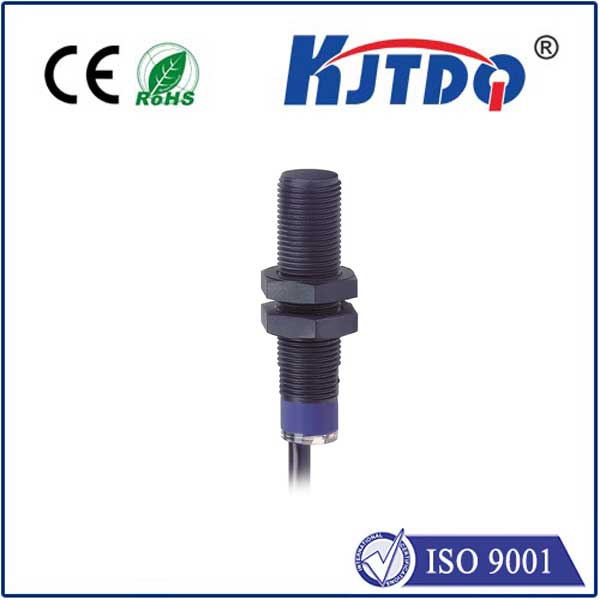
The core function of the HR182-15-601.58V is non-contact detection. It operates by generating an electromagnetic field. When a metallic target enters this predefined field, the sensor detects the resulting change and triggers a solid-state switch. This "proximity" principle eliminates physical wear and tear, offering a significant advantage over mechanical limit switches. The "High Pressure" designation is critical; it signifies that the sensor's housing is specifically designed and constructed to withstand external pressures that would compromise the integrity of a standard unit. This makes it ideal for applications submerged in hydraulic fluid tanks, integrated into high-pressure die-casting machines, or mounted within the pressurized chambers of plastic injection molding equipment.
What truly sets the HR182-15-601.58V apart are its precise technical specifications. The operating voltage of 10-30V DC provides flexibility for integration into various control systems. Its PNP normally open (NO) configuration is a common and versatile output type, simplifying wiring and PLC (Programmable Logic Controller) interfacing. The sensing distance, though specific to the model variant, is consistently accurate, ensuring repeatable detection without false triggers. The housing is typically crafted from high-grade stainless steel, offering exceptional resistance to corrosion, physical impact, and chemical exposure. Furthermore, its design often incorporates advanced sealing technologies, such as laser-welded diaphragms or multiple O-rings, achieving ingress protection ratings like IP67 or IP69K, which guard against dust and high-pressure, high-temperature water jets.
The practical applications for this sensor are vast across heavy industries. In automotive manufacturing, it is used to monitor piston position in high-pressure hydraulic presses that form car body panels. Within the oil and gas sector, it can provide critical position feedback on valves and actuators in offshore drilling equipment, where reliability is paramount for safety. Food and beverage processing lines utilizing high-pressure cleaning (CIP - Clean-in-Place) systems employ these sensors for equipment sequencing, as they can endure the caustic cleaning agents and high-pressure sprays. Another key application is in metalworking, where it ensures tool positioning accuracy in CNC machining centers that use high-pressure coolant systems.
Selecting and installing the HR182-15-601.58V requires attention to detail. First, verify the required sensing distance and target material (ferrous metals like iron and steel are typically detected most effectively). Ensure the electrical characteristics (voltage, output type PNP/NPN) match your control circuitry. Physical installation is straightforward but crucial: mount the sensor securely to minimize vibration effects, ensure the sensing face is parallel to the target's path of movement, and maintain the recommended gap between the sensor and the target. Always refer to the manufacturer's datasheet for precise mounting dimensions, temperature ranges, and pressure ratings. Proper wiring is essential; using shielded cables and routing them away from power lines can prevent electrical noise interference, a common cause of erratic sensor behavior.
For maintenance engineers, the robustness of the HR182-15-601.58V translates to reduced downtime. Its solid-state design means there are no moving parts to lubricate or adjust. Routine maintenance primarily involves periodic visual inspections for physical damage or buildup of debris on the sensing face and checking the tightness of electrical connections. Troubleshooting is typically systematic: check power supply voltage, verify the target is within range and of the correct material, inspect wiring for breaks or shorts, and use a multimeter to test the output signal. Its high-pressure rating inherently means it is less susceptible to failure from environmental stress, leading to longer service intervals and greater overall system uptime.
In conclusion, the HR182-15-601.58V High Pressure Proximity Sensor is a specialized solution for a challenging niche. It represents a fusion of robust mechanical design and reliable electronic sensing. For system integrators and plant managers, choosing this sensor is an investment in operational consistency. It mitigates the risk of unscheduled stoppages in critical high-pressure processes, thereby protecting productivity and reducing long-term maintenance costs. In the relentless environment of modern industry, deploying components built to endure specific extremes is not just an option—it is a strategic necessity for achieving peak efficiency and reliability.