check

check

check
check
check
check
check
check

check

check
In the demanding world of industrial automation and process control, the reliability and accuracy of sensing technology are non-negotiable. Among the critical components ensuring operational safety and efficiency, the NW1815AE65N1 High Pressure Proximity Sensor stands out as a premier solution. This device is engineered to deliver exceptional performance in environments where high pressure and rugged conditions are the norm, making it an indispensable tool for engineers and system integrators.
The NW1815AE65N1 is specifically designed to detect the presence or absence of metallic objects in close proximity, even under extreme pressure conditions. Its robust construction typically involves high-grade stainless steel housing, providing superior resistance to corrosion, mechanical stress, and high-pressure washdowns common in industries like oil and gas, hydraulic systems, heavy machinery, and marine applications. The sensor's core technology often utilizes an inductive sensing principle, offering non-contact detection that eliminates wear and tear, ensuring a long operational lifespan and minimal maintenance.
One of the key advantages of the NW1815AE65N1 is its high-pressure rating. Unlike standard proximity sensors that might fail or provide inaccurate readings under stress, this model is built to withstand significant pressure levels, often up to several hundred bar. This capability ensures consistent and reliable detection in critical processes such as monitoring valve positions in hydraulic presses, detecting piston movement in high-pressure cylinders, or ensuring tool presence in automated machining centers under coolant pressure. The sensor's output is stable and repeatable, providing the precise data necessary for closed-loop control systems.
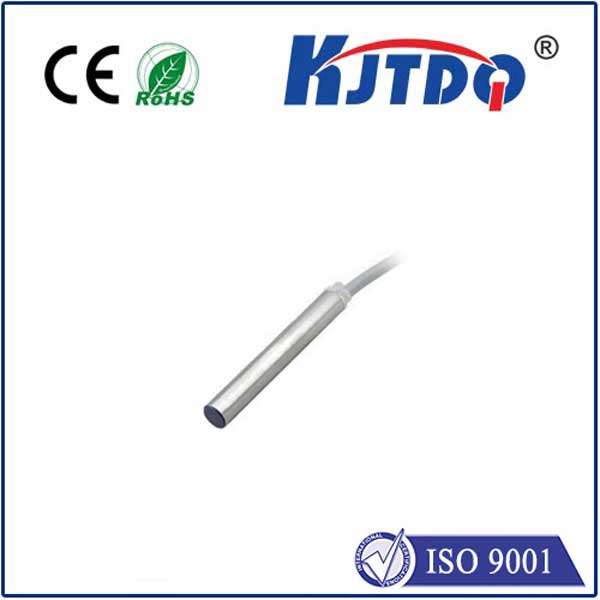
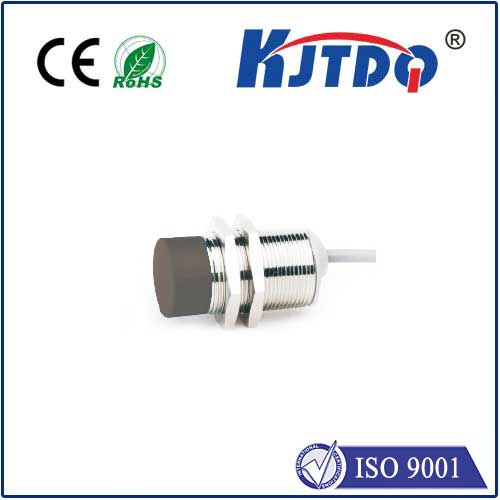
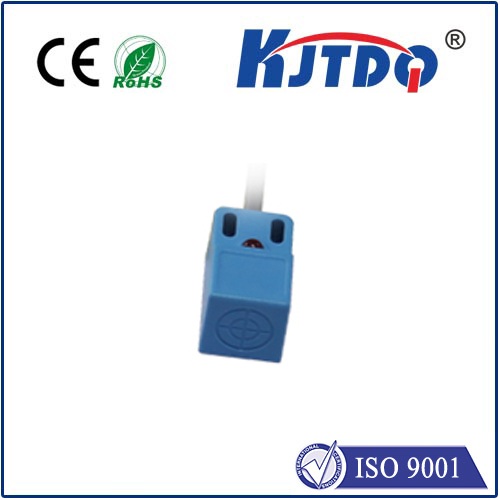
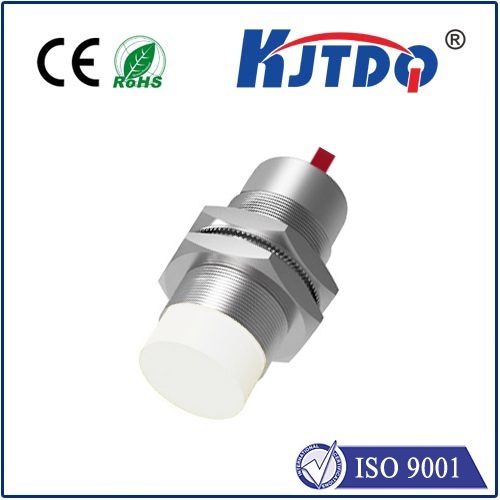
Installation and integration of the NW1815AE65N1 are streamlined for user convenience. It typically features a compact, cylindrical design with standard mounting threads, allowing for easy integration into existing machinery and tight spaces. Many models come with LED status indicators for quick diagnostics, protecting against costly downtime. The electrical connections are designed for reliability, with options for various output types (e.g., PNP/NPN) and cable or connector versions to suit different control cabinet requirements. Compatibility with common industrial voltages makes it a versatile choice for global applications.
For industries prioritizing safety and efficiency, the NW1815AE65N1 offers more than just detection. Its high immunity to electromagnetic interference (EMI) ensures stable operation in electrically noisy environments. The sensing distance, while short-range as typical for proximity sensors, is precisely calibrated for its high-pressure niche, offering the exact sensitivity needed without false triggers. This precision is crucial in applications like monitoring bearing wear in turbines or ensuring robotic end-effectors are correctly positioned before a high-force operation begins.
When selecting a sensor for high-pressure environments, factors like temperature range, housing material, and ingress protection (IP) rating are paramount. The NW1815AE65N1 series often excels here, with specifications tailored for harsh conditions. Engineers should consult the specific datasheet for parameters like pressure rating, temperature operating range, and output configuration to ensure a perfect match for their application. Proper selection prevents sensor failure, which in critical systems could lead to production halts, safety hazards, or equipment damage.
In conclusion, the NW1815AE65N1 High Pressure Proximity Sensor represents a fusion of durability, precision, and specialized design. It addresses the unique challenges posed by high-pressure industrial settings, providing a reliable sensing solution that enhances system safety, optimizes performance, and reduces maintenance costs. For any application where pressure is a constant factor, choosing a purpose-built sensor like the NW1815AE65N1 is not just an option—it's a strategic necessity for modern, resilient automation.