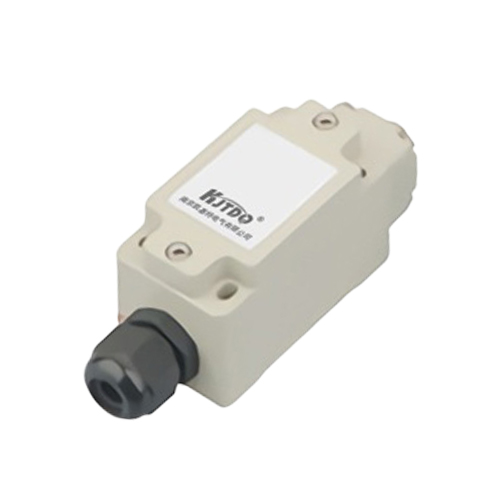
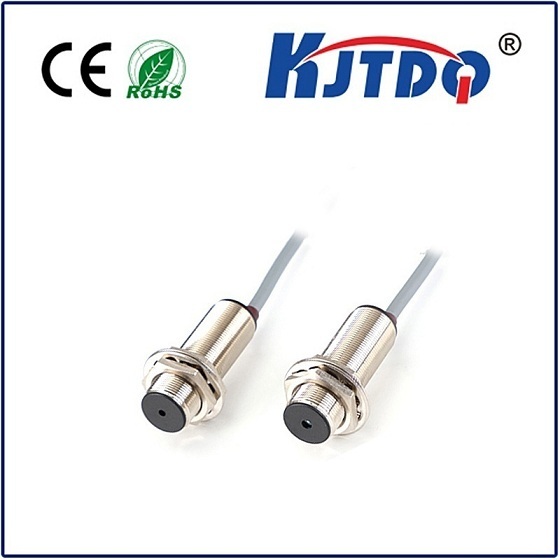
check

check

check

check

check

check
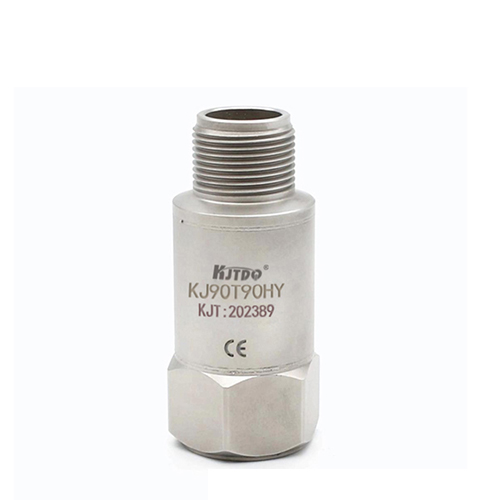
In industrial automation and process control, reliable sensing under extreme conditions is non-negotiable. The BD3-P4-M14 high pressure proximity sensor stands out as a critical component engineered to deliver precision and durability in demanding environments. This sensor is specifically designed to operate effectively where high pressure, temperature fluctuations, and potential contaminants are present, making it an indispensable tool across various sectors including oil and gas, heavy machinery, hydraulic systems, and manufacturing.
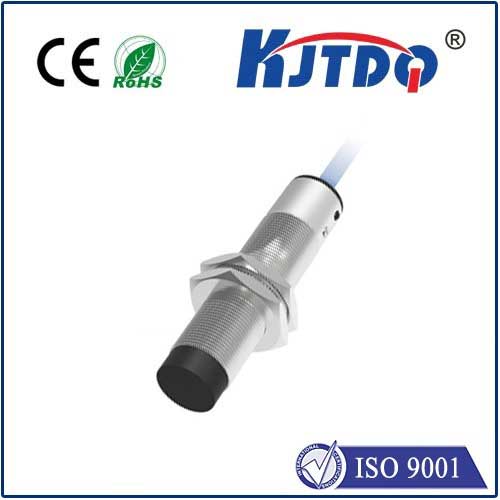
The core technology of the BD3-P4-M14 leverages advanced inductive sensing principles. Unlike standard proximity sensors, it is built with a robust housing rated for high-pressure resistance, often exceeding several hundred bar. This construction ensures that the sensor maintains its accuracy and functionality even when subjected to intense mechanical stress or submerged in hydraulic fluids. The P4 designation typically refers to its pressure rating and sealing class, which commonly meets IP67 or higher standards, providing excellent protection against dust and temporary immersion. The M14 indicates a standard metric thread size, facilitating easy integration into existing industrial setups without requiring custom modifications.
One of the key advantages of this sensor is its ability to detect metallic objects with high repeatability and a fast response time. This makes it ideal for applications such as monitoring piston positions in hydraulic cylinders, detecting valve movements, or ensuring proper alignment in assembly lines. The sensor's output is typically a stable digital signal, compatible with PLCs and control systems, reducing downtime and maintenance needs. Its all-metal casing not only enhances durability but also provides electromagnetic interference (EMI) shielding, ensuring reliable operation in electrically noisy environments.
Installation and maintenance of the BD3-P4-M14 are straightforward. The compact design allows for mounting in confined spaces, while its rugged build minimizes wear from vibration or shock. Many models feature LED indicators for quick status checks, aiding in troubleshooting. For optimal performance, it is recommended to follow manufacturer guidelines regarding operating temperature ranges, which usually span from -25°C to +70°C or wider, and to ensure proper wiring to avoid signal loss.
Industries that rely on hydraulic presses, injection molding machines, or offshore drilling equipment particularly benefit from this sensor's resilience. In hydraulic systems, for instance, it can prevent catastrophic failures by providing real-time feedback on component positions, enabling proactive maintenance. Similarly, in the oil and gas sector, its high-pressure tolerance ensures safe monitoring of wellhead equipment, contributing to overall operational safety and efficiency.
When selecting a high pressure proximity sensor like the BD3-P4-M14, factors such as sensing distance, output type (e.g., NPN or PNP), and supply voltage should be considered to match specific application requirements. Regular calibration checks are advised to maintain accuracy over time, though the sensor's design typically offers long-term stability with minimal drift.
In summary, the BD3-P4-M14 high pressure proximity sensor represents a blend of robust engineering and precise detection capabilities. Its ability to withstand harsh conditions while delivering consistent performance makes it a trusted choice for engineers and technicians aiming to enhance system reliability and safety. As industrial automation evolves, such sensors will continue to play a pivotal role in enabling smarter, more resilient operations.