check

check

check

check

check

check
In the world of industrial automation, where reliability is non-negotiable and downtime costs a fortune, selecting the right sensing technology is a critical decision. The BES 516-300-S292-BO-D-PU-05 High Pressure proximity sensor stands out as a premier choice for engineers and system integrators facing the toughest challenges. This inductive sensor is engineered to deliver unparalleled performance in high-pressure washdown, corrosive, and mechanically stressful environments, making it a cornerstone for modern manufacturing, food and beverage processing, and heavy machinery applications.
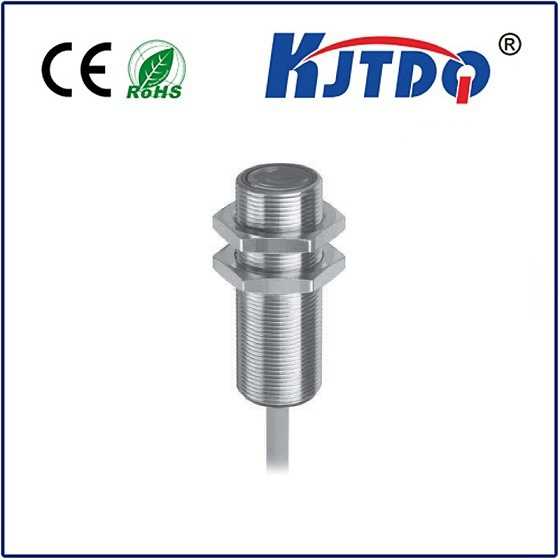
What sets the BES 516-300-S292-BO-D-PU-05 apart is its robust construction and specialized design. The housing is crafted from high-grade stainless steel (V4A / AISI 316L), providing exceptional resistance to aggressive cleaning agents, salty atmospheres, and corrosion. This makes it ideal for industries like dairy, meat processing, and chemical plants where frequent, high-pressure cleaning with caustic solutions is a standard procedure. The sensor is hermetically sealed and features a pressure-resistant design capable of withstanding pressures up to 500 bar, ensuring that internal components remain protected from ingress and pressure shocks. The integrated PU cable with PUR sheath offers excellent flexibility and durability against oils, coolants, and mechanical abrasion, guaranteeing a long service life even in cable-flexing applications.
The core functionality of this device is based on a non-contact inductive sensing principle. It reliably detects the presence of metallic objects, such as steel, within its specified switching distance of 2mm, with a repeat accuracy of less than 5%. This precision is vital for tasks like position verification, counting, or end-position detection on hydraulic cylinders, valves, and presses. The sensor operates on a 10-30V DC supply and provides a PNP normally open (NO) output, which is a common and versatile configuration for interfacing with programmable logic controllers (PLCs) and other control systems. Its short-circuit and reverse polarity protection are standard features, safeguarding both the sensor and the connected equipment from installation errors or electrical faults.
The real-world benefits of deploying the BES 516-300-S292-BO-D-PU-05 are substantial. For maintenance teams, its rugged design translates to fewer failures and replacements, directly reducing spare parts inventory and labor costs. For production managers, its consistent and reliable detection ensures process stability, minimizes defective products, and prevents costly machine jams or collisions. The sensor's high IP69K rating confirms it can withstand not just high-pressure jets but also steam cleaning, a requirement in many hygienic-sensitive production lines. This reliability contributes directly to overall equipment effectiveness (OEE) by maximizing uptime.
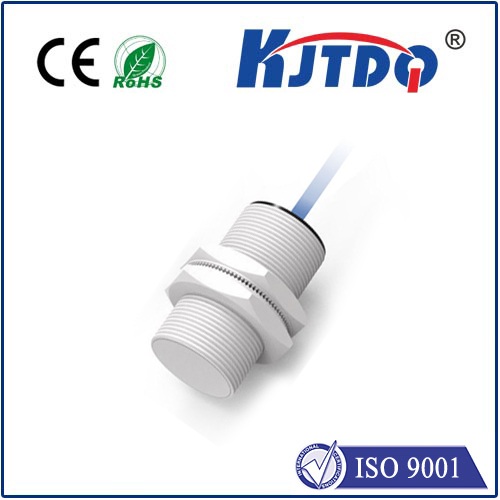
Integration into existing systems is straightforward. The standardized M18 threaded barrel allows for easy mounting in standard fixtures, and the clear LED status indicator provides instant visual feedback on the operating state—green for supply voltage present and red for switching action. When specifying this sensor, it is crucial to verify the target material, required sensing distance, environmental conditions, and electrical interface to ensure optimal performance. For applications involving non-ferrous metals, checking the reduction factor is essential.
Ultimately, the BES 516-300-S292-BO-D-PU-05 is more than just a component; it is a strategic investment in plant resilience. It addresses the core pain points of industrial operations: the need for durability under stress, accuracy in control, and longevity with minimal maintenance. By choosing a sensor built to these exacting standards, companies secure a more predictable, efficient, and profitable production flow, solidifying their competitive edge in an increasingly automated industrial landscape.