check

check

check

check

check

check
In the realm of industrial automation and process control, the ability to reliably detect objects or monitor positions under extreme conditions is paramount. The KGG13L3BPC High Pressure Proximity Sensor stands out as a robust solution engineered to deliver unwavering performance in high-pressure environments where standard sensors would falter. This device exemplifies the fusion of durability, precision, and advanced technology, making it an indispensable component for sectors such as hydraulic systems, heavy machinery, oil and gas, and high-pressure manufacturing.
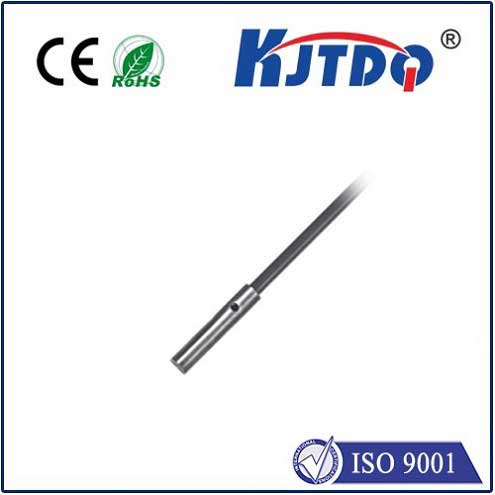
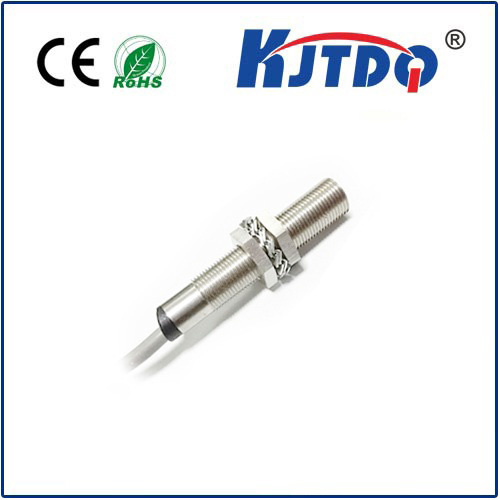
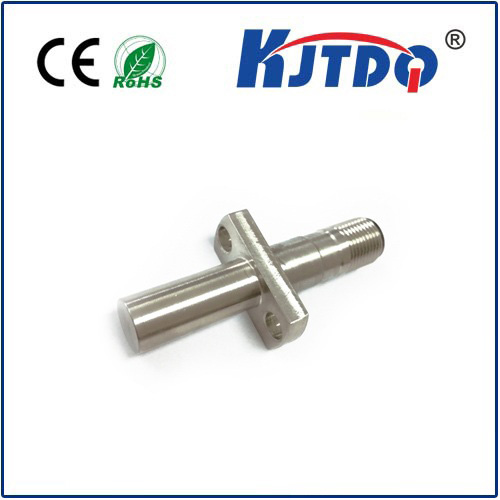
At its core, the KGG13L3BPC is an inductive proximity sensor. This technology operates by generating an electromagnetic field. When a metallic target enters this field, it induces eddy currents within the target, causing a change in the sensor's own oscillation amplitude. This change is detected and converted into a clear electrical switch signal. What sets the KGG13L3BPC apart is its specialized construction designed to withstand substantial external pressure. It typically features a hermetically sealed, stainless steel housing with a pressure-resistant sensing face. This robust build ensures that the internal electronics and coil assembly remain completely isolated from the external high-pressure medium, whether it's hydraulic fluid, compressed air, or water.
The specifications of the KGG13L3BPC are tailored for challenging duties. It boasts a high IP rating, often IP67 or higher, guaranteeing protection against dust ingress and temporary immersion. Its operating pressure range significantly exceeds that of conventional sensors, allowing it to function reliably in systems where pressure can surge to several hundred bar. The sensor provides a consistent sensing distance, is largely immune to target surface conditions like color or reflectivity, and offers a fast response time, enabling precise control in dynamic high-speed applications. Available in both PNP (sourcing) and NPN (sinking) output configurations, it ensures seamless integration with a wide array of programmable logic controllers (PLCs) and control systems.
The practical applications for this high-pressure proximity sensor are extensive and critical. In hydraulic press systems, it is used for end-position detection of cylinders, ensuring strokes are completed accurately and preventing mechanical overtravel. Within injection molding machines, it monitors the position of the screw or mold plates under immense clamping pressure. In the oil and gas industry, these sensors are deployed on subsea equipment or high-pressure piping to verify valve positions or detect the presence of tools. They also play a vital role in test stands for engines and pumps, where conditions are rigorously controlled and monitored.
Selecting and installing the KGG13L3BPC requires attention to key details. Engineers must verify the sensor's specified maximum pressure rating against the peak system pressure, including any potential pressure spikes. The material of the housing must be compatible with the surrounding medium to prevent corrosion. Correct mounting is crucial; the sensor should be installed flush in its mounting bracket to optimize its sensing field and performance. For optimal longevity, it is recommended to operate the sensor within 80% of its rated specifications and ensure the electrical connections are secure and protected from vibration.
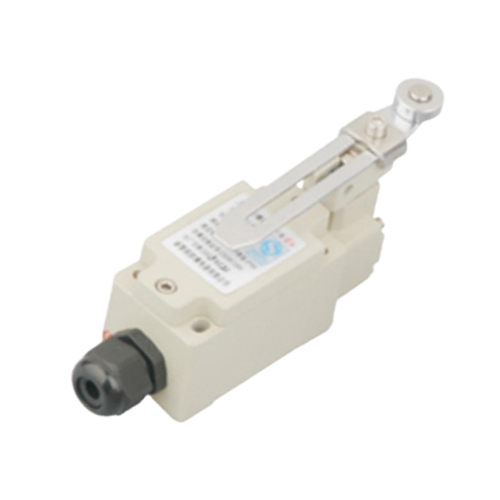
When compared to alternative sensing technologies like mechanical limit switches or capacitive sensors in high-pressure scenarios, the KGG13L3BPC offers distinct advantages. It provides non-contact operation, eliminating mechanical wear and tear and ensuring a much longer service life. It is not affected by most non-metallic contaminants in the medium and delivers a cleaner, bounce-free signal for more reliable control logic. Its solid-state design translates to minimal maintenance needs, reducing downtime and total cost of ownership.
In conclusion, the KGG13L3BPC High Pressure Proximity Sensor is more than just a component; it is a critical enabler of safety, efficiency, and automation in punishing industrial environments. Its ability to provide accurate, non-contact detection where pressure is a dominant factor makes it a trusted choice for engineers designing systems that cannot afford failure. By ensuring precise positional feedback, it contributes directly to optimized processes, enhanced equipment protection, and improved overall productivity. For any application demanding reliable sensing under high pressure, the KGG13L3BPC represents a benchmark in performance and resilience.