check

check

check

check

check

check
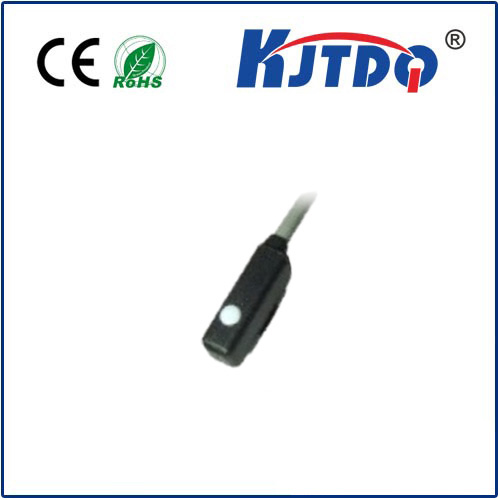
In the relentless world of industrial automation, where machinery operates under extreme pressures and in unforgiving conditions, the reliability of every component is paramount. Sensor failure is not merely an inconvenience; it can lead to catastrophic downtime, compromised safety, and significant financial loss. This is where precision engineering makes the critical difference. The KJTDQ BD1.5-P4-M12S-630 High Pressure Proximity Sensor stands as a testament to this principle, engineered specifically to deliver unwavering performance where standard sensors falter.
The core challenge in high-pressure applications, such as hydraulic systems, die-casting machines, plastic injection molding, and heavy-duty press lines, is the immense physical stress exerted on equipment. Fluctuating pressures create hostile environments that can quickly degrade or destroy sensitive electronic components. Conventional inductive proximity sensors often lack the robust construction needed to withstand these forces, leading to premature failure, signal drift, and inaccurate detection. The BD1.5-P4-M12S-630 is designed from the ground up to conquer these challenges.
Its defining feature is an exceptionally rugged housing constructed from high-grade, pressure-resistant stainless steel. This isn't just about external durability; the internal components are potted and sealed to an ingress protection rating that ensures integrity against oil, coolants, and particulate matter. The sensor is built to maintain its structural integrity and sealing even when subjected to the intense side loads and shock vibrations common in high-pressure machinery. This robust physical design guarantees long-term operational stability, reducing maintenance intervals and replacement costs dramatically.
Performance under pressure is quantified by its technical specifications. The "P4" designation signifies a threaded barrel design for secure mounting, while the M12S connector offers industry-standard, quick-disconnect convenience for easy installation and servicing. The 630mm cable length provides flexible routing options in complex machine layouts. Most importantly, its sensing technology provides a consistent and precise switching signal, unaffected by the ambient pressure fluctuations. This reliability ensures accurate detection of piston positions, valve states, or part presence, which is the foundation for precise machine control and cycle timing.
Beyond brute strength, the sensor incorporates advanced sensing electronics that offer high noise immunity. In environments saturated with electromagnetic interference from powerful motors and drives, signal integrity is non-negotiable. The BD1.5-P4-M12S-630 filters out this electrical noise, delivering a clean, stable output signal to the programmable logic controller (PLC). This prevents false triggers and system errors, contributing to smoother, more efficient, and safer automated processes. Its consistent performance translates directly to improved product quality and optimized production throughput.
Integration into existing systems is straightforward. The sensor's standard PNP or NPN output (depending on configuration) and M12 connector make it a direct replacement or upgrade for many failing units. For plant managers and maintenance engineers, this means a swift upgrade path to enhanced reliability without extensive system redesign. The result is a immediate boost in Overall Equipment Effectiveness (OEE) through reduced unplanned stoppages.
From automotive manufacturing lines with massive hydraulic presses to offshore equipment dealing with deep-sea pressures, the applications are vast. Any industry where reliability cannot be compromised under physical stress will find a dependable partner in this sensor. It represents not just a component, but an investment in operational continuity and risk mitigation.
Choosing the right sensor is a strategic decision. The KJTDQ BD1.5-P4-M12S-630 High Pressure Proximity Sensor provides a definitive answer to the challenges of high-pressure industrial sensing. It combines military-grade durability with precision sensing, offering a lifecycle cost that is ultimately lower than continually replacing less capable units. For engineers seeking to eliminate a key point of failure in their most critical systems, this sensor delivers the resilience and accuracy required to keep production moving forward, reliably and efficiently.