check

check

check

check

check

check
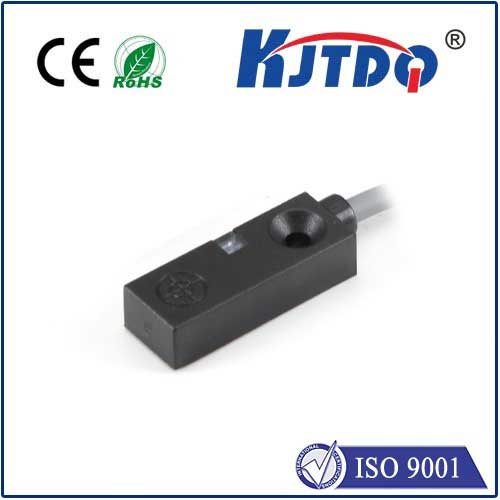
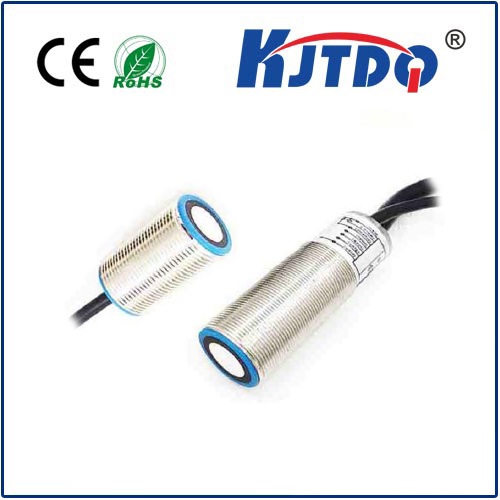
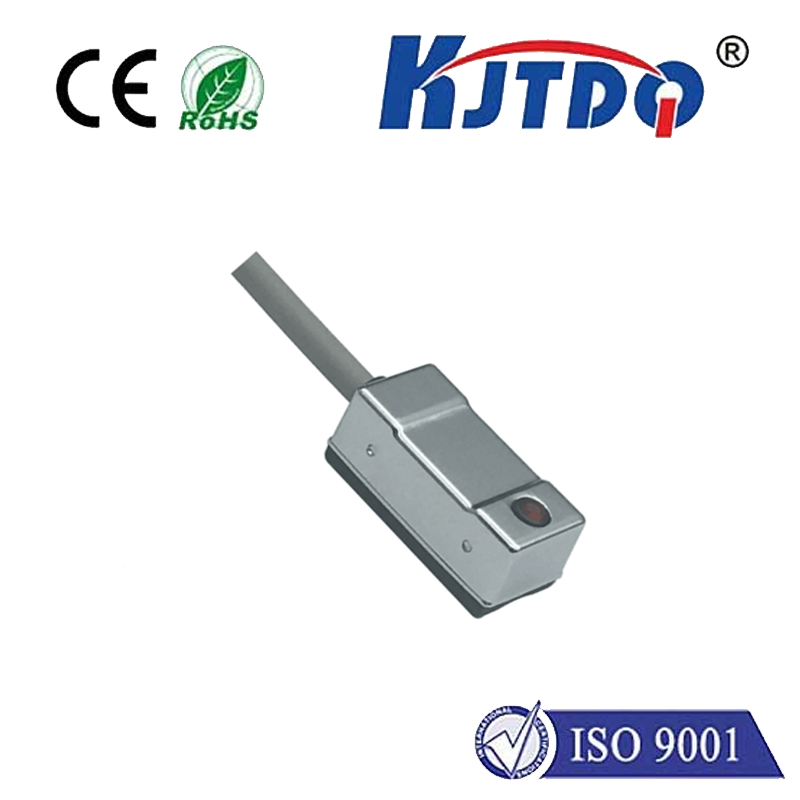
In the demanding world of industrial automation, precision, reliability, and durability are non-negotiable. Machinery operates under extreme conditions, often involving high pressures, temperature fluctuations, and exposure to contaminants. Selecting the right sensing component is critical for maintaining operational continuity, safety, and efficiency. This is where specialized sensors like the DCC 12 VHD 2 PS-B3-56-7 High Pressure Proximity Sensor prove indispensable. Designed to excel in harsh environments, this sensor represents a significant advancement in proximity detection technology.
The core function of the DCC 12 VHD 2 PS-B3-56-7 is non-contact object detection in high-pressure zones. Unlike standard inductive sensors that might fail under stress, this model is engineered with a robust housing and internal components capable of withstanding significant external pressure. The "High Pressure" designation is not merely a label; it signifies a construction that prevents media ingress and mechanical deformation, ensuring stable performance in hydraulic systems, die-casting machines, high-pressure cleaning equipment, and offshore applications. Its ability to deliver accurate switching signals under such duress directly contributes to system safety by preventing malfunctions and potential damage to expensive machinery.
Key specifications define its application scope. Operating on a 12V DC supply, it integrates seamlessly into common industrial control circuits. The VHD suffix often relates to its specific housing design and sensing characteristics, providing a long and consistent sensing range. The part number PS-B3-56-7 details its exact form factor, connection type, and output configuration—typically a PNP normally-open (NO) or normally-closed (NC) switching output. This precise coding allows engineers to specify the exact model needed for a replacement or new design, eliminating compatibility guesswork. The sensor is frequently built from high-grade stainless steel, offering exceptional resistance to corrosion, impacts, and wear.
The benefits of implementing this high-pressure proximity sensor are multifaceted. First and foremost is enhanced reliability. Downtime in industrial settings is costly. The ruggedized design of this sensor minimizes failures caused by environmental factors, leading to longer service intervals and reduced maintenance costs. Secondly, it offers improved safety. Accurate detection in critical high-pressure processes helps implement reliable machine guarding and cycle control, protecting both equipment and personnel. Finally, its precision ensures consistent product quality in manufacturing processes by guaranteeing that parts are in the correct position before a high-pressure operation commences, reducing waste and rework.
Consider a practical application in a plastic injection molding machine. The mold must close with immense force and precision. A standard sensor might falter due to the high clamping pressure and heat. The DCC 12 VHD 2 PS-B3-56-7 can be installed to verify the correct position of the mold plate or ejector pins under these extreme conditions. Its reliable signal ensures the high-pressure injection cycle only starts when the mold is securely closed, preventing catastrophic damage and ensuring each molded part meets specifications. Similarly, in heavy-duty hydraulic presses, it can monitor the position of cylinders, providing essential feedback to the control system for precise movement and pressure application.
Installation and maintenance, while straightforward, require attention to detail. The sensor should be mounted securely using appropriate brackets to avoid vibration-induced errors. It is crucial to ensure the target material (usually ferrous metals) is within the specified sensing range and that the operating environment stays within the sensor's rated temperature and pressure limits. While the sensor is built for longevity, periodic checks for physical damage, accumulation of metallic debris on the sensing face, and signal integrity are recommended as part of a proactive maintenance schedule.
When sourcing a sensor of this caliber, partnering with a trusted supplier is paramount. Look for distributors who provide authentic products, detailed technical datasheets, and knowledgeable support. The specific part number DCC 12 VHD 2 PS-B3-56-7 should be clearly identified to avoid receiving a generic or inferior substitute. Understanding the full context of your application—maximum pressure, temperature range, target material, and required electrical interface—will ensure you select the perfect sensor variant for your needs.
In conclusion, the DCC 12 VHD 2 PS-B3-56-7 High Pressure Proximity Sensor is more than just a component; it is a vital contributor to robust and efficient industrial automation. Its specialized design addresses the critical challenge of reliable sensing in high-pressure environments, safeguarding processes, enhancing productivity, and reducing operational risks. For engineers and maintenance professionals tasked with optimizing performance in challenging applications, integrating this high-performance sensor is a strategic decision that pays dividends in reliability and peace of mind.