check

check

check

check

check

check
In the demanding world of industrial automation and process control, the ability to detect objects or measure distances in high-pressure environments is not just a convenience—it's a critical necessity for safety, efficiency, and product quality. This is where specialized components like the KGG13L2KDC High Pressure Proximity Sensor come into play, representing a pinnacle of engineering designed to perform where standard sensors would fail. This guide delves into the core features, applications, and technical advantages of this robust sensor, explaining why it has become a trusted choice for engineers across various heavy-duty sectors.
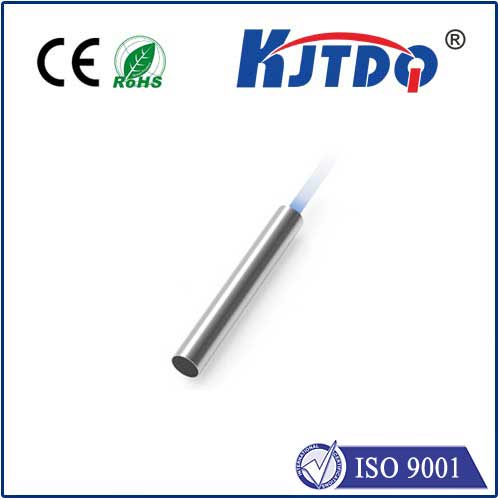
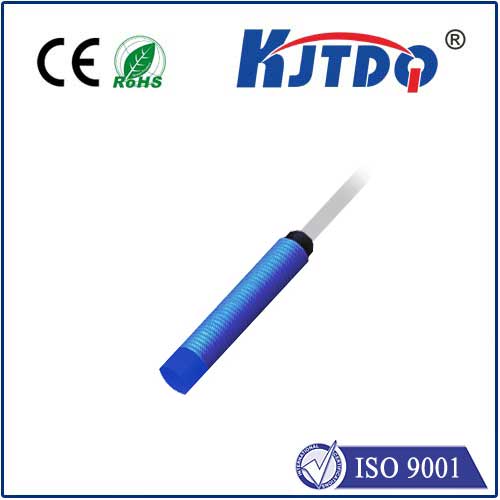
At its heart, the KGG13L2KDC is an inductive proximity sensor built to withstand extreme pressure conditions. Unlike conventional sensors that operate in ambient atmospheric pressure, this unit is engineered to function reliably within pressurized systems, such as hydraulic circuits, die-casting machines, or deep-sea equipment. Its robust housing, typically constructed from high-grade stainless steel, provides exceptional resistance to mechanical stress, corrosion, and the ingress of fluids or contaminants. This durability ensures a long operational lifespan even in the harshest industrial settings, reducing downtime and maintenance costs.
The operational principle of the KGG13L2KDC is based on electromagnetic induction. It generates an oscillating electromagnetic field from its sensing face. When a metallic target object enters this field, eddy currents are induced in the target, causing a change in the oscillation amplitude within the sensor. This change is detected and converted into a clear electrical switch signal. The "KDC" designation often refers to specific output characteristics, such as a DC 3-wire configuration with Normally Open (NO) or Normally Closed (NC) switching logic, providing seamless integration with standard Programmable Logic Controllers (PLCs) and control systems. Its key performance metrics include a precise sensing distance, fast response time for high-speed applications, and excellent repeatability, ensuring consistent detection cycle after cycle.
One of the most significant challenges in high-pressure applications is sensor failure due to seal compromise or housing deformation. The KGG13L2KDC addresses this through advanced design. It features specially engineered sealing technologies and a pressure-balanced construction that prevents media pressure from directly acting on the internal sensing components. This design allows it to maintain its sensing characteristics and switching reliability even when subjected to substantial external pressure, a feature that standard proximity sensors lack entirely.
The applications for the KGG13L2KDC High Pressure Proximity Sensor are vast and critical. In hydraulic press systems, it is used for precise end-position detection of cylinders, monitoring of valve positions, and ensuring safety interlocks. Within plastic injection molding and die-casting machinery, it reliably detects mold closure and ejector plate positions under high clamping forces. In the oil and gas industry, it monitors equipment on Christmas trees or within pressure vessels. Furthermore, it finds use in heavy marine equipment, submarine systems, and high-pressure testing rigs where environmental resilience is non-negotiable.
Selecting and installing this sensor requires attention to detail. Engineers must consider the specific pressure rating (often denoted in bar or psi), the required sensing range, the target material (ferrous metals like iron and steel are typically detected at the rated distance), and the electrical requirements (voltage, current output, and cable/connector type). Proper mounting is crucial; the sensor should be securely installed to withstand vibration, and the sensing face must have a clear approach path for the target, free from interference from other metal objects in the vicinity.
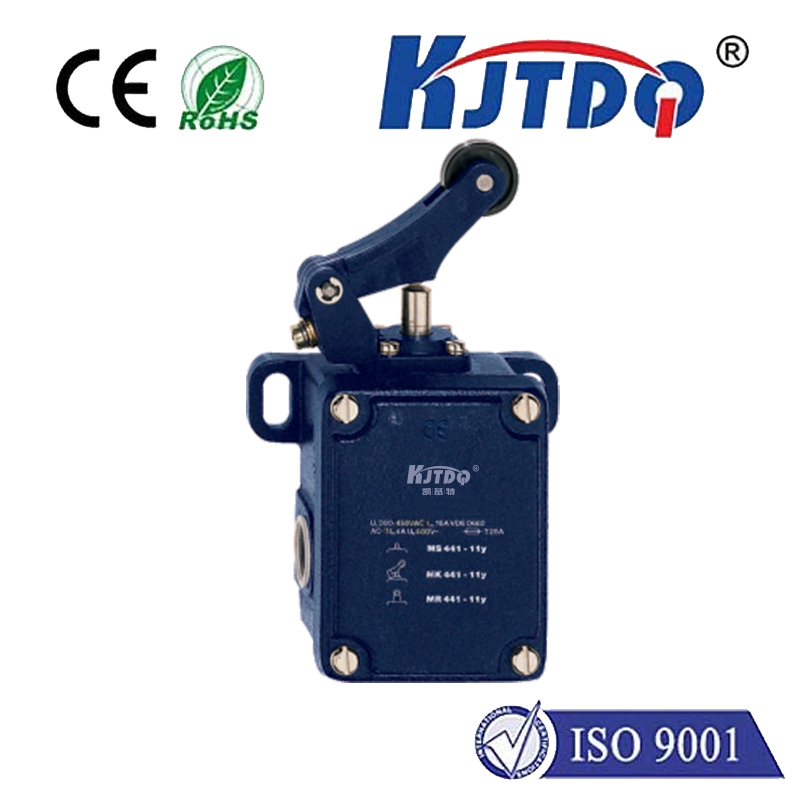
When compared to alternative technologies like mechanical limit switches or pressure transducers used for position feedback, the KGG13L2KDC offers distinct advantages. It provides non-contact detection, eliminating mechanical wear and tear. It delivers faster, more reliable switching without the bounce associated with mechanical contacts. Its solid-state design ensures millions of maintenance-free operations, offering a superior total cost of ownership over time despite a potentially higher initial investment.
In conclusion, the KGG13L2KDC High Pressure Proximity Sensor is more than just a component; it is a solution engineered for resilience and precision. It bridges the gap between the need for accurate object detection and the uncompromising realities of high-pressure industrial environments. By ensuring reliable operation under duress, it enhances system safety, optimizes production processes, and safeguards valuable machinery. For any application where pressure is a constant factor, specifying a purpose-built sensor like the KGG13L2KDC is a strategic decision for achieving long-term operational stability and control excellence.