check

check

check

check

check

check
In the world of industrial automation and process control, reliability is not just a feature; it's an absolute necessity. Equipment failure in high-pressure, high-stakes environments can lead to catastrophic downtime, safety hazards, and significant financial loss. This is where precision-engineered components like the DW-AS-523-P12-630 High Pressure Proximity Sensor prove their indispensable value. Designed to operate flawlessly under extreme conditions, this sensor represents a critical advancement in monitoring and control technology.
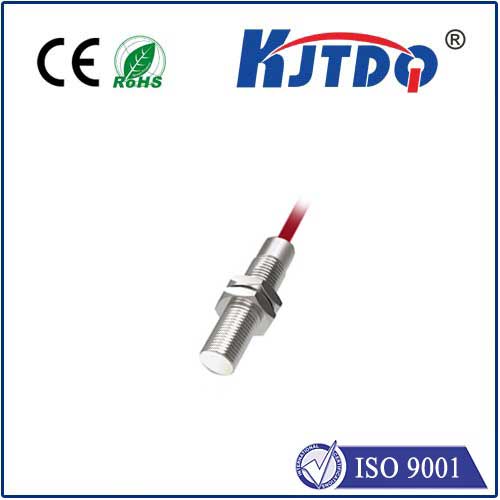
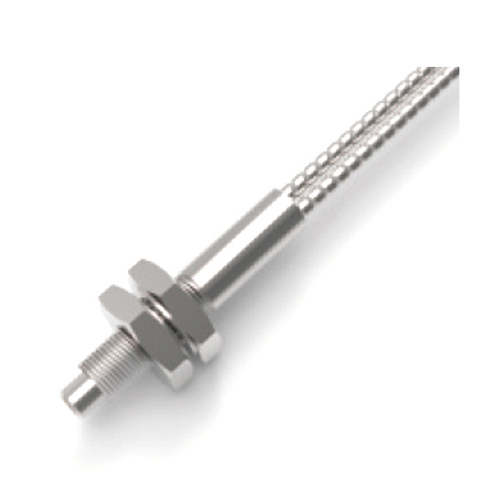
The core function of the DW-AS-523-P12-630 is to detect the presence or absence of a metallic target without any physical contact. What sets it apart is its robust construction specifically engineered to withstand exceptionally high-pressure environments, often found in hydraulic systems, heavy machinery, injection molding, and offshore applications. The "P12-630" designation typically refers to its threaded housing and a pressure rating capable of handling severe operational stress, ensuring signal integrity and sensor longevity where standard sensors would fail.
Key technical features make this sensor a standout choice for engineers. It often incorporates a solid stainless steel housing with high-grade sealing, providing exceptional resistance to pressure, shock, vibration, and corrosive media. The sensing face is designed to be resilient, preventing damage from incidental contact or particulate matter. Furthermore, its electrical output—commonly a stable PNP or NPN signal—ensures seamless integration with Programmable Logic Controllers (PLCs) and other industrial control systems. The precision in switching point accuracy remains consistent, even with fluctuations in supply voltage or ambient temperature, guaranteeing reliable machine cycles.
The practical applications for the DW-AS-523-P12-630 are vast and critical. In hydraulic press monitoring, it accurately detects piston position, preventing over-travel and system damage. Within plastic injection molding machines, it monitors mold closure and ejector plate position under immense clamping force. For valve position feedback in oil and gas pipelines or chemical processing plants, this sensor delivers dependable data where pressure ratings are paramount for safety. Its durability also makes it ideal for mobile hydraulics in construction and agricultural equipment, exposed to constant vibration and environmental extremes.
Selecting the right proximity sensor for high-pressure duties involves several considerations. The DW-AS-523-P12-630 model addresses these directly. First, the pressure rating must exceed the maximum system pressure, including potential surge peaks. Second, the housing material and seal type must be compatible with the surrounding medium, whether it is hydraulic oil, seawater, or coolants. Third, the electrical connection and cable or connector style must be suited for the installation environment, offering strain relief and moisture resistance. Finally, the sensing distance and target material specifications must align with the mechanical design of the application.
Installation and maintenance, while straightforward, require attention to detail for optimal performance. Mounting the sensor securely using the correct torque on its threads is essential to maintain its pressure seal. Ensuring the target approaches the sensing face correctly and within the specified nominal sensing range guarantees accurate actuation. Although these sensors are built for minimal maintenance, periodic checks for physical damage, seal integrity, and signal stability are recommended as part of a preventative maintenance schedule to avoid unplanned stoppages.
Compared to traditional mechanical limit switches or lower-rated sensors, the DW-AS-523-P12-630 offers transformative benefits. It eliminates mechanical wear and tear associated with physical contact, dramatically increasing service life. Its solid-state design provides faster response times, enabling higher machine speeds and efficiency. The non-contact operation also means no target sticking or bouncing, leading to more precise and repeatable control signals. Ultimately, this reduces total cost of ownership by minimizing replacement frequency, downtime, and associated labor costs.
In conclusion, the DW-AS-523-P12-630 High Pressure Proximity Sensor is more than just a component; it is a reliability engineering solution. It fills a vital niche for applications where environmental pressure is a dominant, challenging factor. By delivering unwavering detection performance under duress, it protects capital equipment, ensures process continuity, and enhances operational safety. For system designers and maintenance engineers facing the challenges of pressurized systems, specifying a sensor of this caliber is a decisive step toward building more resilient, productive, and cost-effective industrial operations.