check

check

check

check

check

check
In the intricate world of 3D printing, where layer upon layer builds a physical object from a digital blueprint, precision is paramount. Every component plays a crucial role in ensuring the final print matches the intended design. Among these often-overlooked yet vital components is the humble limit switch. A limit switch for a 3D printer is a fundamental sensor that defines the boundaries of the printer's moving parts, primarily the print head and the build platform along the X, Y, and Z axes. Its primary function is to signal the printer's control board when a carriage or bed has reached the end of its designated travel path, establishing a known reference point called "home.
The process of homing is the first action most printers perform at the start of a job. When you initiate a print, the printer's motors move each axis until the switch is triggered. This action tells the firmware, "This is position zero." From this established home position, all subsequent movements are calculated with extreme accuracy. Without a reliable limit switch, the printer would have no consistent starting point, leading to misaligned layers, print failures, or even catastrophic collisions where the moving parts crash into the frame.
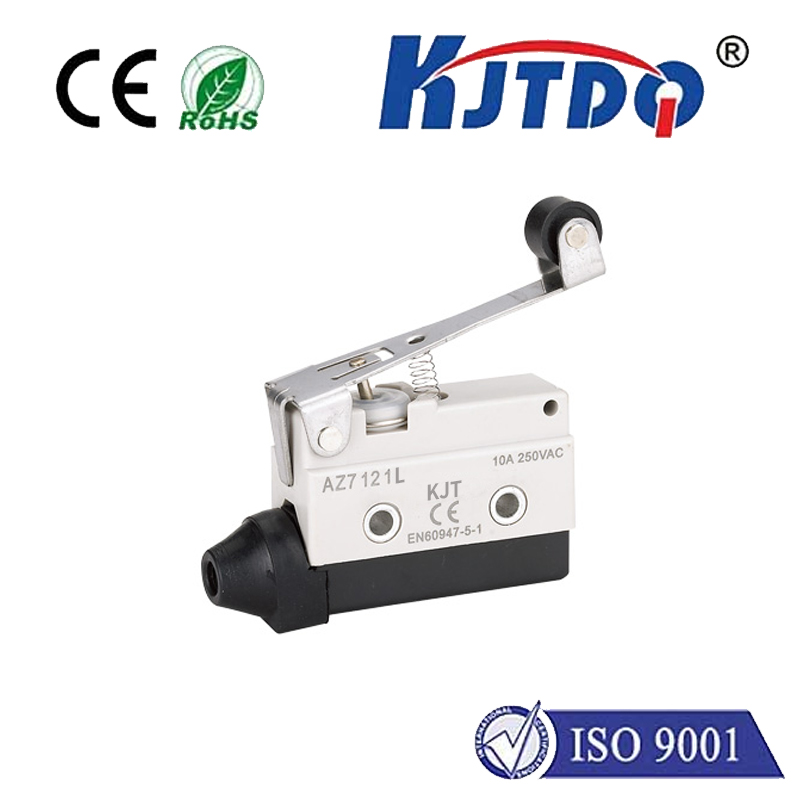
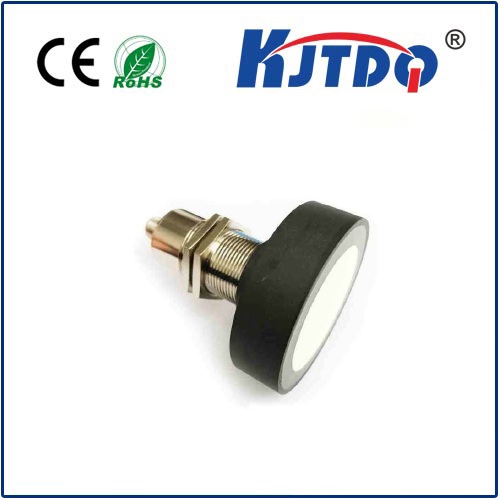
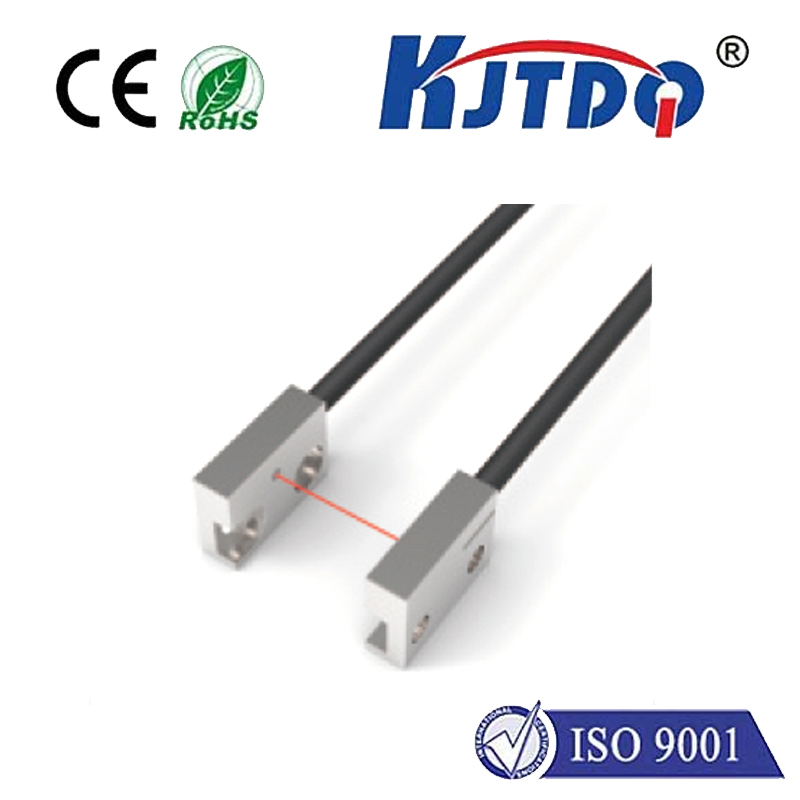
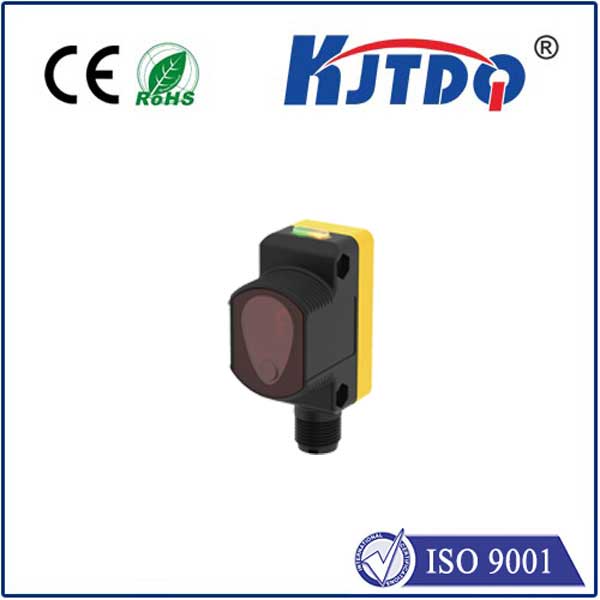
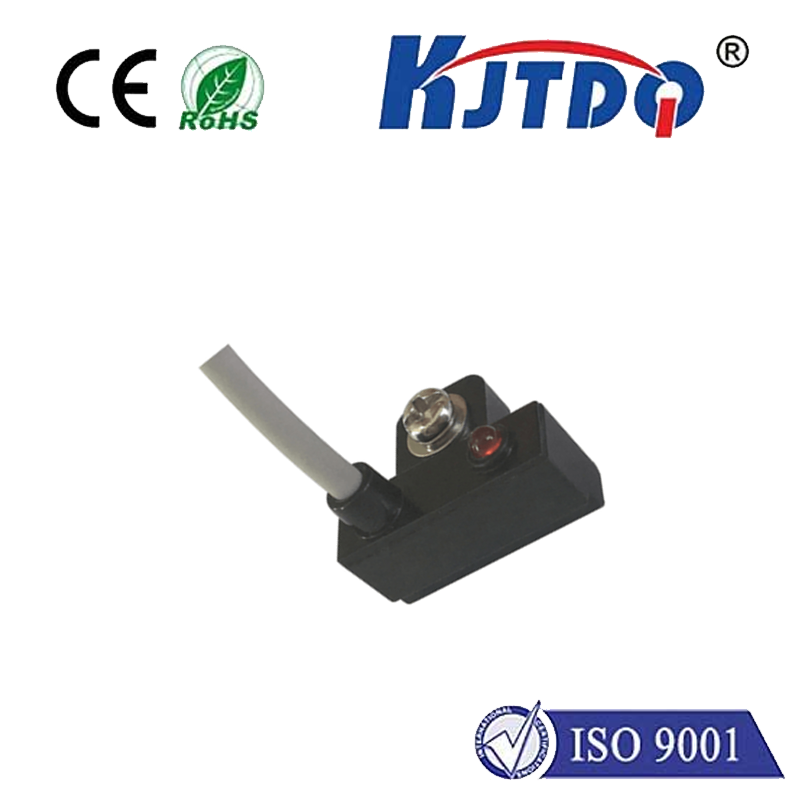
Choosing the right limit switch for your 3D printer involves understanding the different types available. The most common are mechanical micro-switches. These are cost-effective, widely available, and function through a physical lever or button that is pressed by the moving part. They offer a satisfying audible "click" upon activation. However, their mechanical nature means they are subject to wear over time and may require occasional adjustment. For environments where dust or debris is a concern, or where faster, quieter operation is desired, optical limit switches present an excellent alternative. These use an infrared beam; when the beam is interrupted by a flag on the moving axis, the switch is triggered. They are non-contact, meaning no physical wear, and are generally more precise and repeatable. A third type, the magnetic or Hall effect switch, uses a magnet and a sensor to detect proximity, offering similar non-contact benefits.
The benefits of a properly functioning limit switch extend far beyond simple homing. It is a cornerstone of print quality and machine safety. Consistent homing ensures that every print starts from the exact same position, which is critical for multi-part projects or repeated prints. It directly influences the first layer adhesion—the most important layer in any print. If the Z-axis home is inconsistent, the nozzle may be too high, causing poor adhesion, or too low, scraping the build plate. Furthermore, these switches act as essential safety devices. They prevent the stepper motors from attempting to drive the mechanics beyond their physical limits, which can strip belts, damage threads, burn out motors, or break printed parts.
For enthusiasts looking to upgrade or troubleshoot, understanding common issues is key. A failed or misaligned limit switch often manifests as the printer failing to home correctly. It might grind at one end of an axis without stopping or report false triggers. Troubleshooting typically involves checking the physical alignment of the switch and its activating flag, testing the electrical connection for continuity, and verifying the switch's functionality in the printer's firmware settings. Upgrading from a basic mechanical switch to an optical or magnetic switch can be a worthwhile project for those seeking enhanced reliability, especially in high-speed or coreXY printer designs where precision is pushed to the limit.
In conclusion, while it may be a small and inexpensive part, the limit switch is an indispensable guardian of your 3D printer's accuracy and longevity. It silently performs its duty at the start of every print, ensuring the complex dance of motors and extruders begins from a perfectly known stage. Investing time in selecting, installing, and maintaining the right limit switch for your specific 3D printer model is an investment in consistent, high-quality output and the long-term health of your machine. It transforms the printer from a mere tool into a reliable partner in creation.