check

check

check

check

check

check
In the intricate world of electrical control and industrial automation, the 4 lever switch stands as a versatile and critical component. Unlike simpler toggle or push-button switches, a 4 lever switch offers multiple control points from a single unit, enabling complex circuit management and mode selection. This comprehensive guide delves into the functionality, common applications, and key considerations for selecting the right 4 lever switch for your project.
Fundamentally, a 4 lever switch is a multi-pole, multi-throw manual switch. The "4 lever" designation typically refers to the number of independent switching sections or poles controlled by a common actuator. Each lever can move between two or more positions (like On-Off or On-On), and these positions are mechanically ganged together. This means a single physical movement of the switch actuates all four internal switching mechanisms simultaneously. The internal configuration is often represented as 4PxT (4 Pole, x Throw), where 'x' indicates the number of positions per pole, such as 4PDT (Double Throw) or 4P3T (Three Throw). This design allows for controlling multiple, isolated circuits with one action, ensuring synchronized operation.
The applications for 4 lever switches are vast and span numerous industries. In professional audio and broadcasting equipment, they are indispensable for routing multiple signal channels. For instance, a 4PDT switch can seamlessly swap between two complete sets of stereo audio inputs (left and right channels for each source) on a mixer or amplifier. In industrial control panels, these switches are used for mode selection on machinery, such as choosing between "Manual," "Semi-Auto," "Auto," and "Off" states, where each mode engages a different combination of control circuits. Telecommunications and network routing gear frequently employ them for data line switching and backup system selection. Hobbyists and engineers in electronics prototyping also value 4 lever switches for creating complex control interfaces for custom projects, robots, or model layouts where several functions must be toggled in unison.
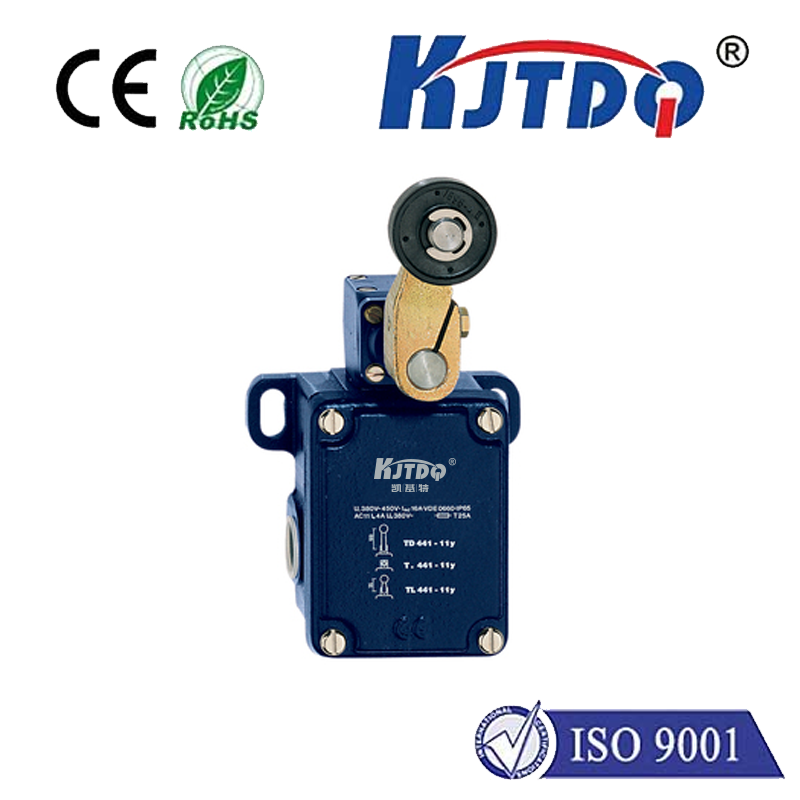
When selecting a 4 lever switch, several technical specifications demand careful attention. First is the electrical rating, comprising voltage and current capacity (e.g., 125VAC, 6A). Choosing a switch rated below your circuit's requirements can lead to premature failure or safety hazards. The switching configuration (4PDT, 4P3T, etc.) must match your circuit logic. The actuator style is another crucial factor; options include baton, paddle, or rocker levers, with considerations for ergonomics and panel space. The mounting type, whether panel-mounted with a nut or PCB-mounted, determines installation method. Build quality, indicated by materials and mechanical life expectancy (often rated in cycles), is vital for durability in high-use environments. Environmental factors like ingress protection (IP rating for dust/water resistance) and operating temperature range are critical for harsh industrial or outdoor applications. Finally, terminal types—such as solder lugs, screw terminals, or quick-connect tabs—affect the ease of wiring.
Understanding the distinction between a 4 lever switch and other multi-pole switches is key. A standard 4-way switch, commonly used in three-location lighting control in homes, is a different, specialized type of single-pole, double-throw switch. The 4 lever switch, with its multiple isolated poles, is designed for controlling separate circuits, not just creating additional control points in a single circuit. Its advantage lies in consolidating control, improving panel organization, and ensuring the synchronized operation of multiple functions, which enhances both safety and operational efficiency.
For successful integration, proper wiring and installation are paramount. Always consult the manufacturer's datasheet for the terminal diagram and switching logic. Use appropriate wire gauges for the current load and ensure secure connections to prevent arcing or overheating. For panel mounting, ensure the cutout is precise to provide stable support for the switch body. Implementing these switches often simplifies system design by reducing the number of individual components needed, leading to cleaner layouts and more reliable performance.
In conclusion, the 4 lever switch is a powerful tool for advanced electrical control. Its ability to manage multiple circuits with a single action makes it a cornerstone in professional audio, industrial automation, and complex electronic systems. By thoroughly understanding its specifications—from pole and throw configuration to electrical ratings and environmental seals—you can confidently select and implement the ideal switch to create robust, efficient, and user-friendly control solutions. Whether you're designing a new control panel or upgrading existing equipment, the right 4 lever switch provides a reliable and elegant solution for coordinated multi-circuit command.