check

check

check

check

check

check
In the intricate world of modern electronics and automation, precision is paramount. Among the myriad of components that ensure systems operate within safe and defined parameters, the 5V limit switch stands out as a fundamental yet critical device. This compact electromechanical component serves as a vigilant sentinel, monitoring the physical position or movement of a machine part and sending a clear, low-voltage signal to control circuits. Its role is to define the boundaries of motion, preventing over-travel and potential damage, thereby ensuring operational safety and repeatability.
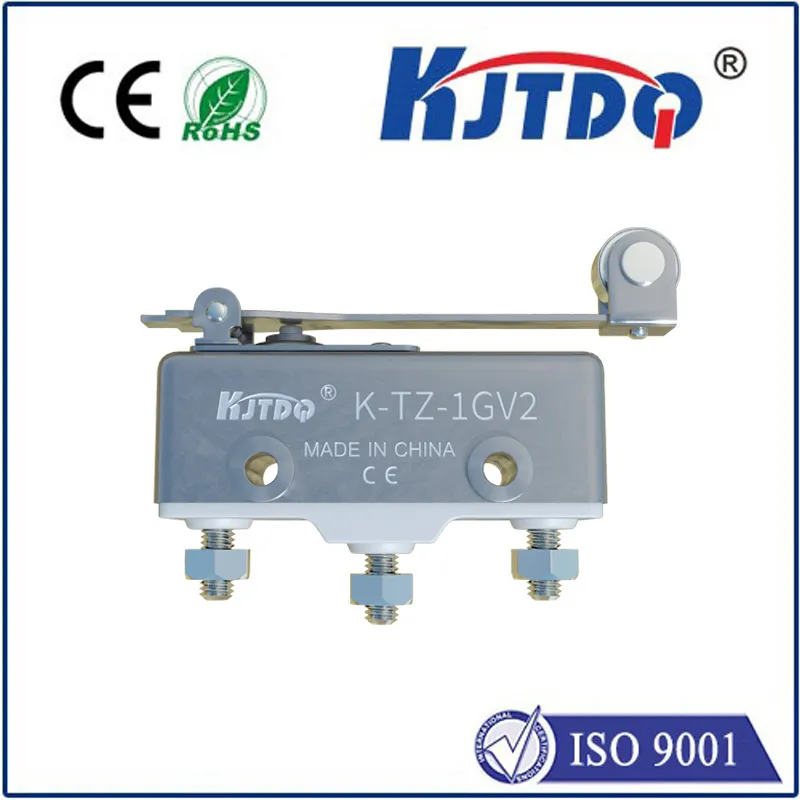
The "5V" specification refers to the operating voltage, a standard in many digital logic circuits and microcontroller-based systems, such as those using Arduino, Raspberry Pi, or other embedded platforms. This low voltage makes it ideal for integration into sensitive electronic environments where higher voltages might introduce noise or safety concerns. A typical 5V limit switch consists of an actuator (a lever, roller, or plunger) mechanically linked to a set of internal contacts. When an object or machine part makes contact with the actuator, it triggers the switch to change state—either opening or closing the circuit—and sends a precise 5V signal to the controller.
The applications for 5V limit switches are vast and varied. In the realm of 3D printers and CNC machines, they are indispensable for homing sequences. The printer's print head or the CNC's spindle moves until it touches a limit switch at the edge of its axis; this contact sends a 5V signal to the mainboard, establishing a known reference point (home position) with absolute accuracy. Without this, precise layer alignment or tool positioning would be impossible. Similarly, in small-scale robotics, these switches are used to detect when a robotic arm has reached the end of its rotational arc or when a mobile robot has bumped into an obstacle, triggering an immediate stop or change in direction.
Beyond hobbyist projects and prototyping, 5V limit switches are crucial in industrial automation settings that utilize low-voltage control panels. They can be found on conveyor belts to detect the presence or absence of items, on automated doors to sense fully open or closed positions, and within intricate assembly lines to ensure components are correctly positioned before the next stage of production. Their robustness, simple digital output (high/low signal), and compatibility with programmable logic controllers (PLCs) and microcontrollers make them a versatile choice for engineers.
Selecting the right 5V limit switch involves considering several factors. The actuator type is chosen based on the nature of the contact—a roller lever is suitable for moving parts like cams, while a plunger type is ideal for direct, linear pressure. The electrical rating, though low at 5V DC, must still be respected for current capacity. Environmental durability is another key consideration; switches may come with seals rated against dust and moisture (e.g., IP67) for harsh environments. Furthermore, the output type is critical: some switches provide a simple mechanical contact, while others incorporate solid-state or Hall-effect technology for faster, wear-free operation, though still outputting a clean 5V signal.
Installation and integration are straightforward. The switch is mounted at the desired limit point. Its two or three wires (common, normally open, normally closed) are connected to the input pins of a microcontroller or digital input module. A simple pull-up or pull-down resistor is often used to ensure a stable logic level. The controller is then programmed to interpret the signal—for instance, to stop a motor, reverse direction, or increment a counter upon receiving the 5V trigger. This simplicity in interface belies its profound impact on system reliability.
The advantages of using a dedicated 5V limit switch over software-based or sensor-only solutions are significant. It provides a physical, fail-safe mechanism. Even if the main software crashes, the physical switch can be wired to cut power or trigger a hardware interrupt, offering a layer of safety that purely digital solutions lack. It delivers consistent, bounce-free signals in many designs, ensuring accurate readings. Moreover, its electromechanical nature often provides tactile feedback to operators, confirming that a limit has been engaged.
In conclusion, the 5V limit switch is a cornerstone of controlled motion in the digital age. It seamlessly bridges the physical and digital worlds, translating a simple mechanical touch into a definitive electronic command. From enabling the precision of desktop manufacturing to safeguarding complex automated processes, this unassuming component is essential for anyone designing systems where movement must have defined, reliable boundaries. Its continued evolution, including miniaturization and integration with smarter sensing technologies, ensures it will remain a vital tool for engineers and makers striving for precision, safety, and control in an increasingly automated world.