check

check

check

check

check

check
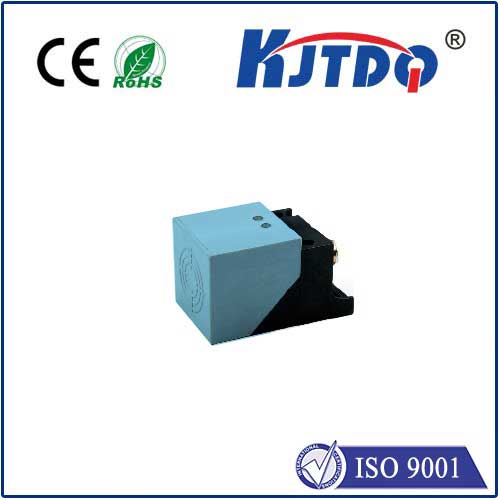
In the intricate world of home heating systems, a small yet critical component often stands as the primary guardian against overheating and potential hazards: the furnace limit switch. Among these, the KJTDQ L350F model has established itself as a reliable and essential part for many forced-air furnaces. This device plays a non-negotiable role in maintaining both operational safety and system longevity, making its understanding crucial for homeowners and HVAC technicians alike.
At its core, a furnace limit switch, such as the KJTDQ L350F, is a safety sensor. It is typically located within the furnace plenum, the metal chamber that houses the heat exchanger. Its primary function is to monitor the plenum's air temperature. The switch contains a temperature-sensitive bi-metallic strip or a sensor that reacts to heat changes. Under normal operating conditions, when the thermostat calls for heat, the furnace burner ignites, and the blower fan starts after a brief delay to push warm air through the ducts. The limit switch remains closed during this cycle, allowing the system to run.
The critical safety intervention occurs when the temperature inside the plenum rises to an unsafe level. This can happen due to several reasons: a clogged air filter restricting airflow, a malfunctioning blower motor failing to circulate air, or blocked vents causing heat to build up. When the internal temperature reaches a predetermined high limit—often around 200°F—the bi-metallic strip in the KJTDQ L350F bends, triggering the switch to open. This action immediately shuts off the burner or gas valve, stopping the production of heat to prevent damage to the heat exchanger, surrounding components, and to eliminate a fire risk.
Furthermore, the L350F model also incorporates a fan control function. After the burner is shut off, the plenum remains hot. The limit switch will keep the blower fan running until the air temperature cools down to a lower set point, usually around 100-120°F. This ensures that residual heat is effectively distributed into the home, improving efficiency and preventing the fan from blowing cold air. Once the safe lower temperature is reached, the switch closes the fan circuit, turning the blower off until the next heating cycle begins.
Recognizing symptoms of a failing KJTDQ L350F limit switch is key to proactive maintenance. The most common sign is a furnace that starts but then shuts off after a few minutes, a cycle known as "short cycling," without adequately heating the home. The burner may ignite, but it cuts off prematurely because the switch falsely detects an overheat condition. Conversely, if the blower fan does not turn on at all or runs continuously without stopping, even when the burner is off, it could point to a switch stuck in the open or closed position. Before concluding the switch is faulty, it is imperative to check and rule out the root causes of overheating, such as replacing a dirty air filter, ensuring all supply vents are open and unblocked, and verifying the blower fan is operational.
Replacing a KJTDQ L350F limit switch is generally a straightforward task for a qualified technician, involving disconnecting power, locating the old switch, disconnecting its wires, and installing the new unit in the same orientation. However, safety is paramount. Due to the risks associated with gas and electrical components, this repair is not typically recommended as a DIY project for most homeowners. A professional HVAC technician can accurately diagnose the issue, ensure the correct replacement part is used, and install it safely, while also diagnosing any underlying problems that caused the switch to trip in the first place.
Investing in a high-quality component like the KJTDQ L350F is an investment in system safety and efficiency. A properly functioning limit switch prevents catastrophic failures, protects one of the most expensive parts of the furnace—the heat exchanger—and contributes to consistent, efficient heating. Regular furnace maintenance, including visual inspections of safety controls, is the best practice to ensure this small but mighty device is ready to perform its vital protective role for many heating seasons to come.