check

check

check

check

check

check
In industrial automation and machinery control, precision and reliability are non-negotiable. The A2B limit switch stands as a critical component in achieving these goals, providing accurate position sensing and control for a vast array of applications. This guide delves into the fundamentals, benefits, and key considerations for implementing A2B limit switches in your systems.
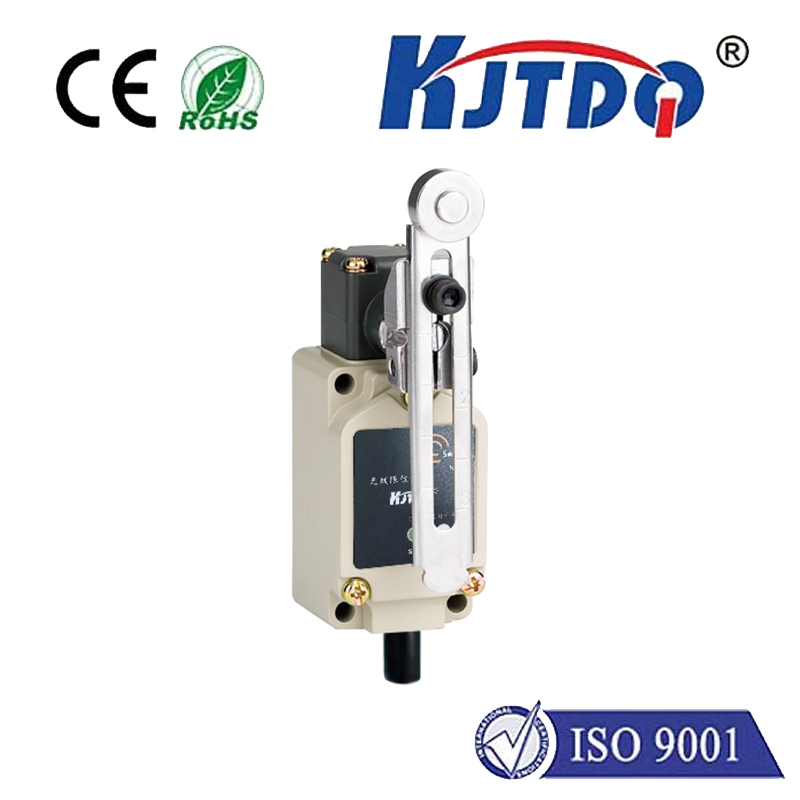
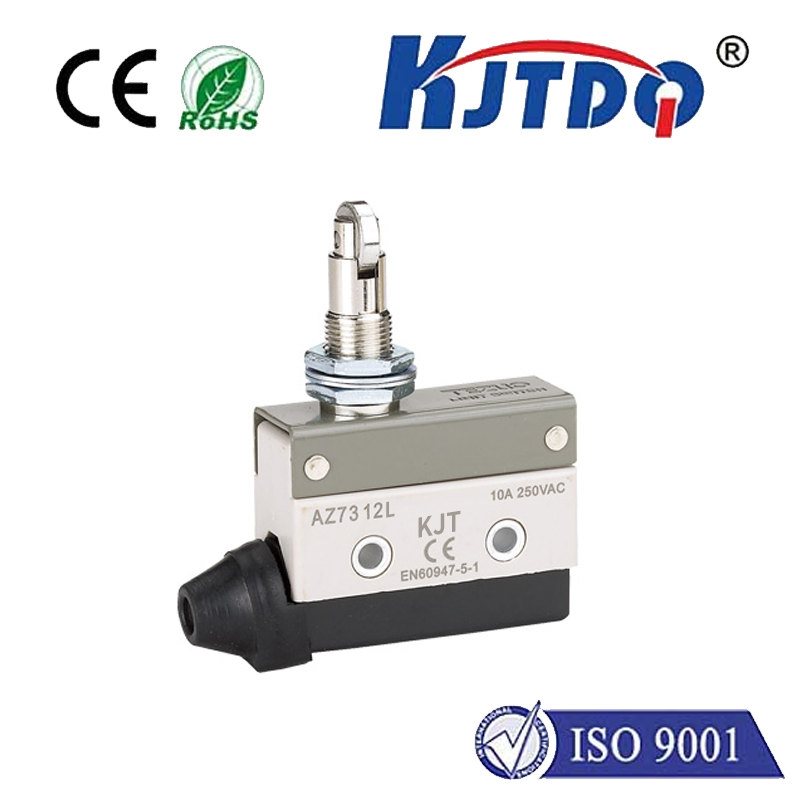
At its core, an A2B limit switch is a type of electromechanical device designed to detect the presence or absence of an object, or to monitor the position of a machine part. The "A2B" designation typically refers to a specific configuration involving two contacts or a particular switching logic, often indicating a changeover or transfer function between two states or circuits. These switches are activated by physical contact with a moving part, such as a cam, lever, or plunger, which then triggers an electrical signal to stop, start, or change the operation of a machine. This simple yet effective mechanism makes them indispensable for safety interlocks, sequencing control, and end-of-travel detection.
The primary advantage of the A2B limit switch lies in its robustness and straightforward operation. Unlike some non-contact sensors, these switches are often built to withstand harsh industrial environments, including exposure to dust, moisture, vibration, and extreme temperatures. Their mechanical nature allows for direct, unambiguous feedback; when the actuator is pressed, the circuit changes state. This reliability is paramount in preventing over-travel, which can cause equipment damage, product spoilage, or even safety hazards. For instance, in a conveyor system, A2B limit switches can be used to halt the belt when a package reaches the correct position, ensuring precise sorting and handling.
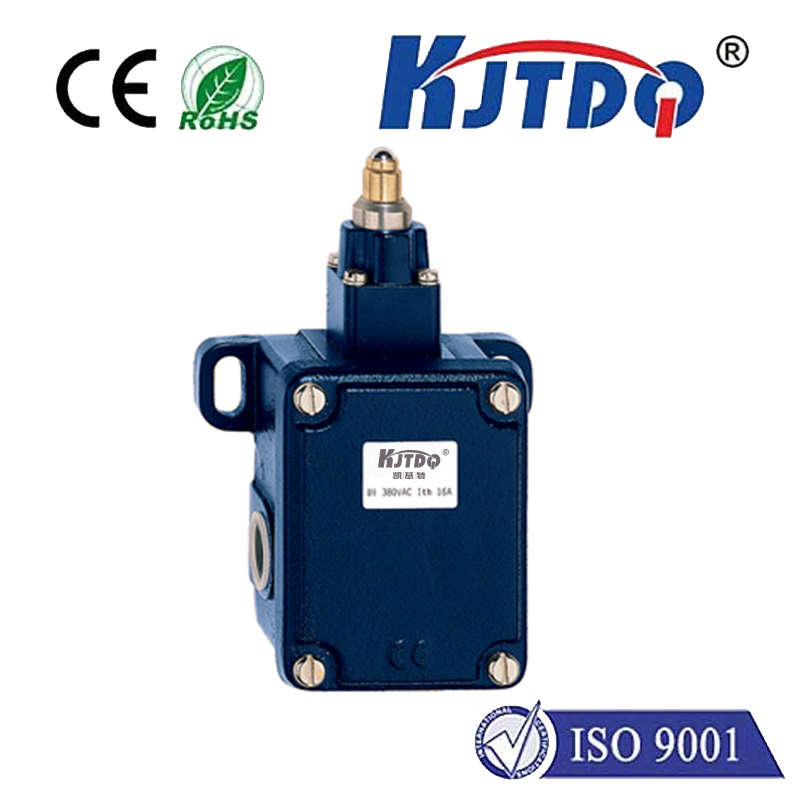
When selecting an A2B limit switch for a specific application, several factors must be evaluated. The electrical rating, including voltage and current capacity, must match the control circuit requirements. The mechanical durability, often indicated by an IP (Ingress Protection) rating for dust and water resistance, is crucial for the operating environment. The actuator type—whether roller lever, plunger, or whisker—should be chosen based on the direction and force of the contacting object. Additionally, considerations for mounting, repeat accuracy, and expected operational life (number of mechanical cycles) are essential for long-term performance and reduced maintenance.
Installation and maintenance practices significantly impact the longevity and accuracy of A2B limit switches. Proper alignment is critical to ensure the actuator is engaged correctly by the moving part without excessive force or missed triggers. Regular inspection for wear on the actuator mechanism and electrical contacts helps prevent unexpected failures. In many modern setups, these traditional switches are integrated with programmable logic controllers (PLCs) or other digital control systems, forming a reliable link between the physical movement and the electronic control logic.
While newer technologies like proximity sensors and vision systems offer contactless operation, the A2B limit switch remains a preferred choice for many engineers due to its cost-effectiveness, simplicity, and proven track record. It provides a tangible, fail-safe method of position verification that is easy to understand, troubleshoot, and replace. From packaging machines and automotive assembly lines to elevator control and material handling equipment, the A2B limit switch continues to be a fundamental building block for automated safety and precision.
Understanding the operational principles and application guidelines for A2B limit switches empowers maintenance technicians and design engineers to create safer, more efficient, and more reliable automated systems. By making informed choices about switch specifications and ensuring proper integration, businesses can minimize downtime, protect valuable assets, and maintain consistent production quality.